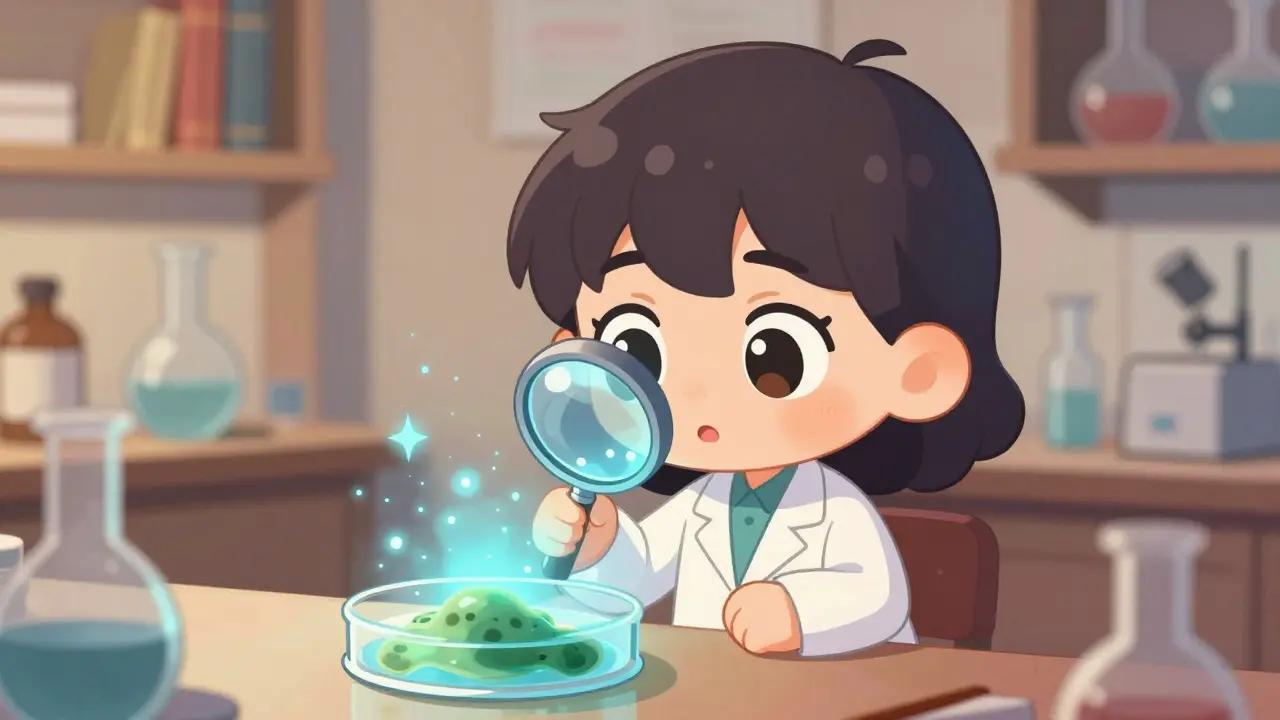
Every year, millions of people wake up with what they think is just a bad cold, only to find out it's something far more serious. The difference between a simple viral infection and a dangerous bacterial one often comes down to whether Antibiotics will help or hurt your recovery. Understanding how these powerful medications work isn't just academic-it can literally save your life when you're sick.
What Exactly Are Antibiotics?
When doctors prescribe medication to fight infection, antibiotics are antimicrobial medications specifically designed to treat bacterial infections by either killing bacteria (bactericidal) or inhibiting their growth (bacteriostatic).antibacterial drugs This might sound similar to antivirals, but here's the key difference: antibiotics only work against bacteria. They won't touch viruses that cause colds, flu, or most sore throats.
The story begins in 1928 when Alexander Fleming discovered penicillin. By World War II, mass production began-imagine treating battlefield wounds that previously meant certain death. Today, we have over 100 distinct types available globally, though misuse has left some completely ineffective against resistant strains.
Here's what matters most: antibiotics treat specific bacterial infections like strep throat and urinary tract infections. If your doctor says it's viral, antibiotics won't help and could actually harm you by disrupting your body's natural bacteria balance.
The Four Ways Antibiotics Attack Bacteria
Bacteria aren't passive targets-they've evolved defenses over billions of years. Effective antibiotics exploit weaknesses in four specific areas. Each major class works differently, and knowing these differences helps explain why your doctor chooses one drug over another.
| Mechanism Type | Primary Target | Common Examples | Effectiveness |
|---|---|---|---|
| Cell Wall Synthesis | Peptidoglycan | Penicillins, Cephalosporins, Vancomycin | Bactericidal |
| Protein Synthesis | Ribosomes (30S, 50S) | Macrolides, Tetracyclines, Aminoglycosides | Bacteriostatic |
| DNA/RNA Synthesis | DNA gyrase, Topoisomerase | Fluoroquinolones | Bactericidal |
| Folate Synthesis | Dihydropteroate synthase | Sulfonamides | Bacteriostatic |
Cell Wall Destroyers: Beta-Lactams and Friends
Beta-lactams contain a characteristic four-membered beta-lactam ring that mimics D-alanyl-D-alanine portion of peptidoglycan precursors. Think of bacteria's cell wall as an armored suit. When beta-lactams bind to penicillin-binding proteins, they prevent cross-linking of this armor. Without structural integrity, osmotic pressure bursts the bacterial cell apart.
Penicillins represent the oldest class still widely used. Cephalexin and cefazolin are first-generation cephalosporins primarily targeting Gram-positive bacteria. Second-generation versions like cefuroxime expand coverage to some Gram-negative species. Third-generation agents including ceftazidime handle tougher pathogens like Pseudomonas aeruginosa. Fourth-generation options such as cefepime provide broad-spectrum activity covering both bacterial types.
Vancomycin is a glycopeptide antibiotic that disrupts cell wall synthesis through a different binding mechanism than beta-lactams. Healthcare workers commonly use it for MRSA infections since resistance develops less frequently. However, intravenous administration means patients typically receive treatment in hospitals rather than outpatient settings.
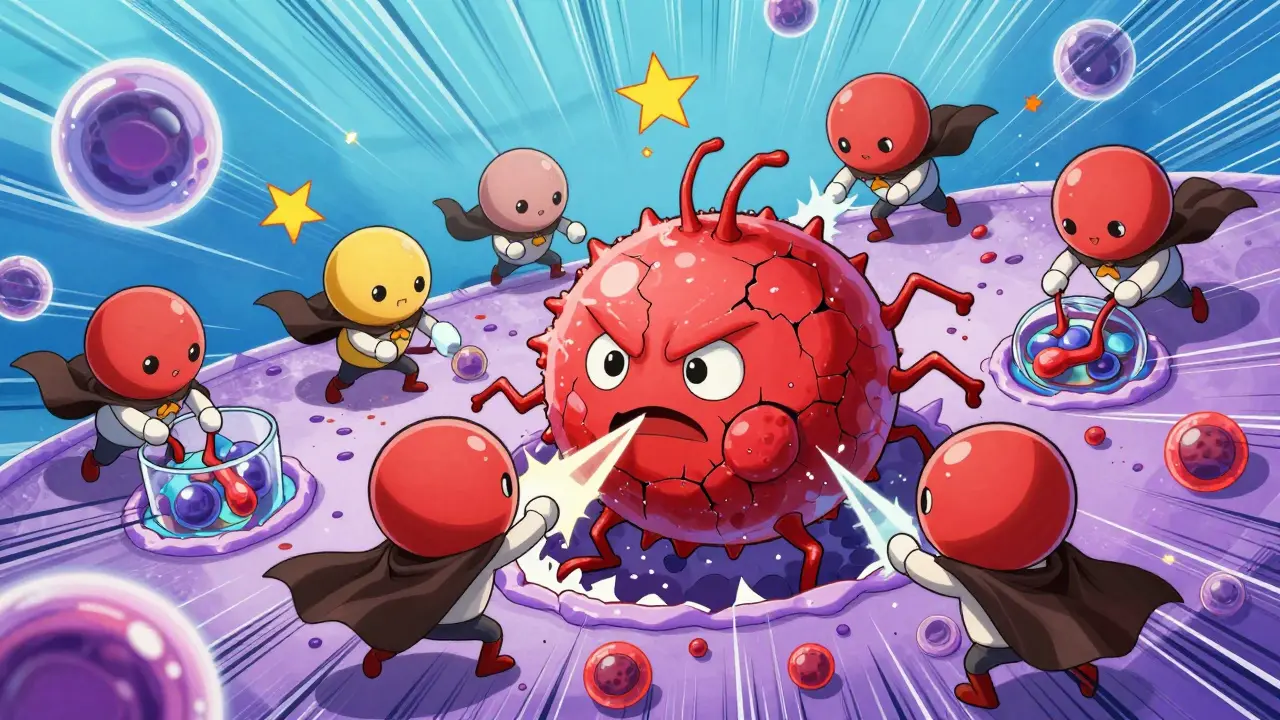
Protein Factory Shutdown: Ribosome-Inhibiting Antibiotics
Bacteria need protein to survive, just like humans. But bacterial ribosomes differ enough from ours that we can target them without harming our own cells. Multiple antibiotic classes exploit this difference.
Macrolides bind to the 50S ribosomal subunit preventing translocation during protein synthesis.erythromycin class Erythromycin was discovered in 1952 and remains effective for respiratory infections. Azithromycin offers better tolerability with once-daily dosing instead of three times daily. These drugs particularly work well against atypical pathogens that hide inside cells.
Tetracyclines bind to the 30S subunit blocking tRNA attachment to the ribosome. Doxycycline treats Lyme disease and acne alongside respiratory infections. Important warning: children under 8 should avoid these due to permanent tooth discoloration. Photosensitivity affects 10-20% of users, requiring sunscreen even indoors near windows.
Aminoglycosides like gentamicin show up in hospital protocols for serious infections. Their molecules carry positive charges that interact with negatively charged bacterial outer membranes, creating pores that facilitate entry. But this same attraction damages kidney cells, causing nephrotoxicity in 10-25% of patients receiving prolonged therapy. Oxygen-dependent transport also makes them ineffective against strict anaerobes.
Oxazolidinones represent a triumph of rational drug design, being the first entirely synthetic class to inhibit protein synthesis at the initiation phase.linezolid class Linezolid binds to 23S rRNA of the 50S subunit, stopping complex formation before it starts. Clinicians reserve these for multidrug-resistant organisms following IDSA guidelines.
DNA Destruction Squad: Fluoroquinolones
Fluoroquinolones inhibit DNA gyrase (topoisomerase II) and topoisomerase IV, preventing DNA unwinding and replication. Ciprofloxacin and levofloxacin penetrate tissues exceptionally well, reaching bone and intracellular compartments where other drugs struggle. This makes them valuable for osteomyelitis and intra-abdominal infections.
However, FDA black box warnings appear on these medications for tendonitis and neuropathy risks. The benefits must outweigh dangers when choosing them. Global resistance data shows E. coli showing resistance exceeding 50% to fluoroquinolones across 72 countries, limiting their usefulness in many regions.
Metabolic Interference and Special Cases
Sulfonamides inhibit dihydropteroate synthase in folate synthesis. Sulfamethoxazole functions bacteriostatically and rarely works alone due to widespread resistance. Combination therapy with trimethoprim provides synergistic effects against Pneumocystis jirovecii pneumonia in immunocompromised patients.
Nitroimidazoles like metronidazole demonstrate unique activity against anaerobes and protozoa. After entering cells, reduction processes create reactive compounds that disrupt DNA. About 60-70% of patients experience disulfiram-like reactions when consuming alcohol, making abstinence crucial during treatment.
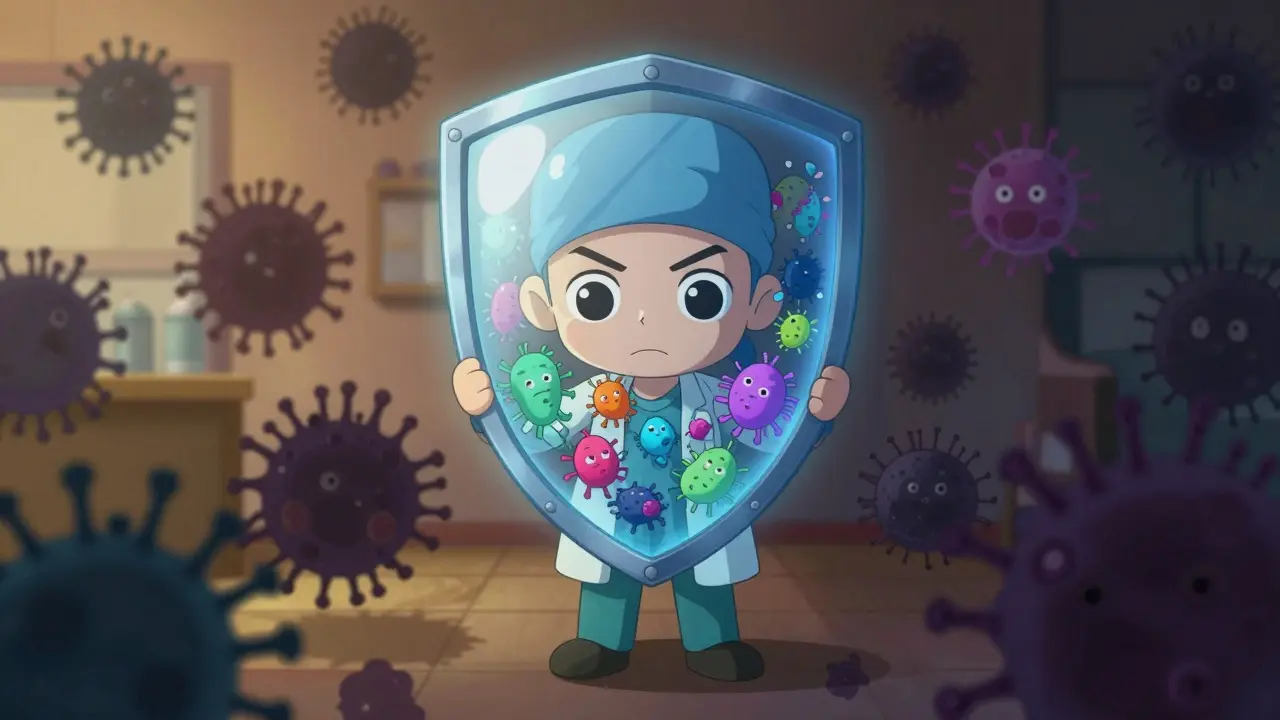
The Resistance Crisis
Beta-lactamases represent bacterial defense weapons. Class A enzymes hydrolyze penicillins, while Class C enzymes (cephalosporinases) break down cephalosporins and are produced by most Gram-negative bacteria except Salmonella and Klebsiella. Understanding these resistance patterns guides empiric therapy selection until cultures confirm sensitivity.
Broad-spectrum antibiotics disrupt microbiome diversity for up to 12 months post-treatment. Research indicates increased risk of Clostridioides difficile infection by 17-fold compared to narrow-spectrum agents. This explains why doctors emphasize matching antibiotic spectrum precisely to the suspected pathogen.
Global consumption reached 73 billion defined daily doses annually as of 2021 per WHO reporting. Yet only 42 new antibiotics enter clinical development worldwide, with just 16 targeting WHO-priority pathogens. The economics challenge antibiotic innovation since novel products generate median annual revenue of $17 million versus development costs exceeding $1.5 billion.
Smart Stewardship Matters
About 30% of outpatient antibiotic prescriptions are inappropriate according to CDC data. Procalcitonin testing reduces unnecessary antibiotic use by 23% in respiratory infections. Documentation standards vary significantly-community clinics often lack resources that teaching hospitals maintain.
Infectious disease specialists require 2-3 years of fellowship training beyond residency. Mastering pharmacokinetic/pharmacodynamic principles determines appropriate dosing intervals and duration. Community resources like the CDC's Antibiotic Resistance Laboratory Network provide real-time resistance pattern data across 700 US laboratories, enabling location-specific empiric therapy decisions.
New Frontiers in Treatment
Cefiderocol represents hope for carbapenem-resistant infections. This siderophore cephalosporin exploits bacterial iron-uptake systems to penetrate resistant Gram-negatives, showing 75% clinical cure rates in Phase III trials. Regulatory approval occurred in 2019, expanding options for previously untreatable infections.
The European Medicines Agency established specific regulatory pathways for phage therapy trials. Phase III studies for Pseudomonas aeruginosa otitis progressed to 2024 evaluations. Long-term viability assessments indicate market failure without radical pricing reforms, prompting innovative models like the UK's "Netflix model" paying £76 million annually for access regardless of volume.
Can I stop taking antibiotics early if I feel better?
No. Feeling better doesn't mean all bacteria are eliminated. Stopping early leaves surviving bacteria vulnerable to developing resistance, potentially requiring stronger medications later. Always complete the full prescribed course unless your doctor advises otherwise.
Why don't antibiotics work on my cold or flu?
Colds and influenza are caused by viruses, not bacteria. Antibiotics target specific bacterial structures absent in viruses. Taking them for viral illnesses won't help recovery and contributes to resistance development.
What are common side effects of antibiotics?
Common side effects include nausea, diarrhea, rash, and yeast infections. Specific classes have unique concerns: tetracyclines cause photosensitivity, fluoroquinolones risk tendon damage, and aminoglycosides may affect kidney function. Your prescribing doctor will monitor for these based on the medication type.
How long does antibiotic treatment usually last?
Treatment duration varies by infection type. Simple urinary tract infections may need 3-7 days, while osteomyelitis requires weeks. Serious infections sometimes extend treatment to 10-14 days. Your doctor determines this based on pathogen type, severity, and response to therapy.
Can I take probiotics with antibiotics?
Yes, spacing probiotics at least 2 hours apart from antibiotic doses helps restore gut bacteria balance. This approach may reduce antibiotic-associated diarrhea and support recovery of beneficial microbiome populations after treatment completes.
Are some antibiotics safer during pregnancy?
Certain antibiotics like penicillins and cephalosporins generally safe during pregnancy, while others like tetracyclines pose risks to fetal development. Always inform your healthcare provider about pregnancy status so they choose appropriate, safer alternatives for your condition.
What happens if bacteria develop resistance to my prescribed antibiotic?
Your doctor will obtain culture samples to test sensitivity, then switch to alternative medications effective against that strain. This process takes 24-48 hours but ensures appropriate treatment. Never self-medicate or share leftover antibiotics when symptoms persist.
How can I tell if my infection needs antibiotics?
Doctors distinguish bacterial from viral infections using symptoms, lab tests, and clinical judgment. Fever patterns, elevated white blood cell counts, and specific localizing signs suggest bacterial involvement. Testing like procalcitonin levels help guide decisions when diagnosis remains uncertain.
Do children need different antibiotics than adults?
Children require age-appropriate formulations and dosing adjustments based on weight. Some medications like tetracyclines contraindicated under age 8 due to dental side effects. Pediatric infectious disease specialists ensure safety while maintaining effective treatment outcomes.
Why do some antibiotics come as injections instead of pills?
Severe infections require rapid therapeutic blood levels that oral medications cannot achieve quickly enough. Injectables bypass digestive degradation and absorption barriers. Hospital administration ensures consistent dosing when patients can't reliably consume oral medications.
10 Comments
Joseph Rutakangwa
Follow your doctor orders always to stay safe
Will Baker
Oh sure just listen to the doc who barely passed their board exams last week
They push meds because insurance pays more for prescriptions than consultations
You think you own your body
Sure you do until they bill you
Joey Petelle
The modern pharmacological industrial complex operates on a scale of deception that would make Machiavelli weep into his velvet robes of hypocrisy
We stand firm against these microbial invaders yet our western hegemony crumbles under the weight of our own biological complacency
The penicillin ring is not merely a chemical structure but a symbol of human ingenuity turned weapon against entropy itself
Resistance patterns suggest that our collective greed has outpaced our survival instincts in a tragedy of the commons written in bacterial DNA
American medical superiority demands we maintain vigilance rather than capitulating to viral nonsense masquerading as illness
They want you weak and dependent on their synthetic salvation while the true warriors understand cellular warfare requires discipline
We cannot trust the flu vaccine mandates when the antibiotic stewardship guidelines shift like sand in an hourglass
The beta-lactam bond breaks cell walls but does it break corporate profit margins
Consider how vancomycin was hoarded for hospital use instead of being unleashed early on battlefield wounds where heroes truly earned their scars
Our national pride should be linked to stewardship metrics not consumption statistics derived from lazy prescribing habits
This is a test of civilization and whether we prioritize health profits over population viability
Those who ignore the cell wall synthesis mechanics deserve the resulting superbugs that bloom like weeds in an abandoned garden
We must fortify our biological borders just as zealously as we guard our physical ones against foreign pathogens
The ribosome is not just a factory it is a fortress of life that requires absolute protection from unauthorized chemical interference
The narrative changes when science meets commerce in ways we rarely see publicly
Only the informed survive this battle of attrition against microscopic enemies
simran kaur
Big Pharma wants you believing in magic bullets while ignoring why hospitals are breeding grounds for resistant strains
They hide the data on how many die from side effects compared to the actual infections treated
Trust the system at your own risk because the agenda is clear enough
Mark Zhang
It's great to see people engaging with such critical information regarding public health safety protocols
We all share responsibility in maintaining effective treatments for ourselves and our communities moving forward
Your insights highlight the importance of careful consideration when discussing medication management strategies
Dee McDonald
Wake up and take responsibility for your health choices immediately
Nobody is coming to save you if you abuse these drugs recklessly
You have the power to stop resistance in your own backyard by following prescribed regimens strictly
Stop making excuses about forgetting doses and commit to the full course every single time
Your gut bacteria deserves respect too and you ruin that balance when you pop pills unnecessarily
Stand strong against misinformation spreading through social media feeds constantly
Fight for your future self by demanding culture tests before accepting prescriptions blindly
Take action now and protect the next generation from preventable disasters caused by negligence
sophia alex
OH MY GOD you guys are clueless :D Did you know some doctors lie about viruses? 😱
It's scary how ignorant most people are :( But hey if you don't listen to experts like me you get sick! 💉🙄
Brian Shiroma
Listening to amateurs diagnose via the internet isn't exactly saving anyone's life honestly
We act concerned but mostly we just judge others from behind screens safely
Everyone thinks they know medicine better than specialists now
It gets frustrating seeing basic hygiene ignored completely
Someday reality hits hard and nobody cares then
Jenna Carpenter
You shud reed the artical mor carefully if u want facts not rumors
Some people just cant fucus on simple things
Its sad when adults act like children with there meds
Please try harder next time
Hope Azzaratta-Rubyhawk
Compliance with established medical standards remains the cornerstone of individual wellness
One must adhere strictly to professional guidance rather than conjecturing on pharmaceutical limitations
The consequence of neglect is severe deterioration of systemic health infrastructure
I urge immediate correction of any misconceptions regarding treatment protocols