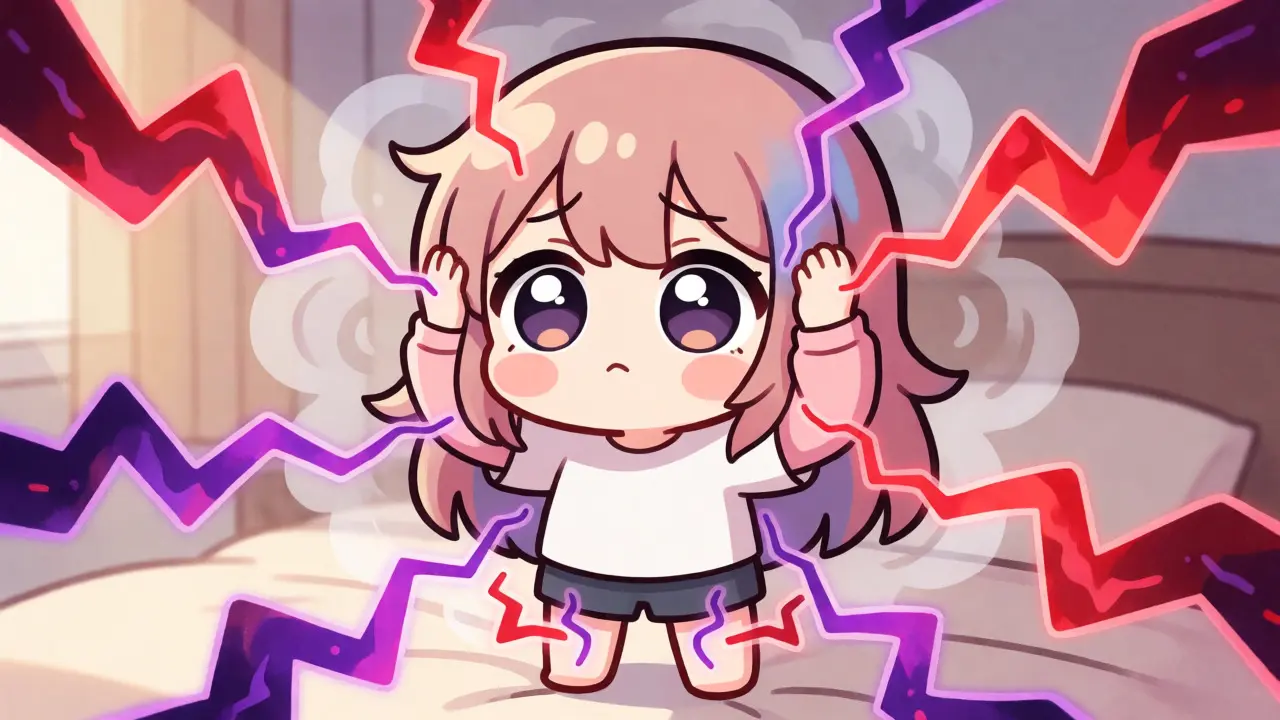
You wake up feeling like you’ve been hit by a truck, but there’s no bruise to show for it. The pain is everywhere-your neck, your lower back, your knees-and it’s been this way for months. You’re exhausted, yet sleep feels elusive. If this sounds familiar, you might be dealing with fibromyalgia, a chronic condition characterized by widespread musculoskeletal pain, fatigue, and cognitive issues often called 'fibro fog'. It’s not in your head, even though people used to say that. It’s a real neurological issue where your brain turns up the volume on pain signals.
Here’s the confusing part: doctors often prescribe antidepressants for this. Not because you’re depressed, but because these drugs change how your nervous system processes pain. This article breaks down why this happens, which medications actually work, and how to combine them with lifestyle changes for real relief.
Why Antidepressants Treat Pain, Not Just Mood
It seems counterintuitive. You have body pain, so why take a mood stabilizer? The answer lies in neurotransmitters. Your brain uses chemicals like serotonin and norepinephrine to regulate mood, but they also play a huge role in pain modulation. In people with fibromyalgia, these systems are often out of balance. The brain becomes hypersensitive, amplifying normal sensations into pain.
Antidepressants help by increasing the availability of these neurotransmitters in the synaptic gaps between nerve cells. Think of it as turning down the gain on an audio mixer. When serotonin and norepinephrine levels rise, the pain signals get dampened before they reach your conscious awareness. Dr. Lesley Arnold from the University of Cincinnati explained in the Mayo Clinic Proceedings that these meds work "not because patients are depressed, but because they modulate pain processing in the central nervous system."
This distinction matters. Many patients quit early because they think, "I’m not sad, so this won’t work." But the mechanism is physiological, not psychological. You aren’t treating sadness; you’re recalibrating your pain threshold.
The Three FDA-Approved Medications for Fibromyalgia
While many drugs are used off-label, only three have specific approval from the US Food and Drug Administration (FDA) for fibromyalgia. Knowing the differences helps you talk to your doctor about what might suit your symptoms best.
| Medication | Drug Class | Typical Starting Dose | Primary Benefit | Common Side Effects |
|---|---|---|---|---|
| Duloxetine (Cymbalta) | SNRI | 30 mg daily | Pain reduction + energy boost | Nausea, dry mouth, sweating |
| Milnacipran (Savella) | SNRI | 12.5 mg daily | Pain reduction + fatigue improvement | Nausea, constipation, dizziness |
| Pregabalin (Lyrica) | Gabapentinoid | 75 mg twice daily | Rapid pain relief + sleep aid | Dizziness, weight gain, swelling |
Duloxetine is a serotonin-norepinephrine reuptake inhibitor (SNRI). It’s often the first choice if you struggle with both pain and low energy or mild anxiety. Studies show it reduces pain by 20-30% in responders within 4-6 weeks. However, nausea is a common complaint initially, so starting at a low dose (30mg) and taking it with food helps.
Milnacipran is another SNRI, slightly more potent on norepinephrine. It’s particularly helpful if fatigue is your dominant symptom alongside pain. Like duloxetine, it requires titration-starting low and going slow-to avoid gastrointestinal upset.
Pregabalin isn’t technically an antidepressant; it’s a gabapentinoid that calms overactive nerves. It works faster than SNRIs, often providing relief within days or weeks. The trade-off? Higher rates of dizziness and weight gain. If you need quick relief while waiting for other treatments to kick in, this might be your bridge.
Off-Label Options: Amitriptyline and Cyclobenzaprine
Just because a drug isn’t FDA-approved for fibromyalgia doesn’t mean it doesn’t work. In fact, older tricyclic antidepressants like amitriptyline are widely prescribed due to their effectiveness and low cost. Unlike the newer SNRIs, amitriptyline is taken at bedtime. Its sedative effect helps with the sleep disturbances that plague most fibromyalgia patients.
A typical regimen starts at just 5-10 mg. Yes, milligrams, not grams. Small doses can significantly improve sleep quality and reduce pain intensity by about 30% after 6-8 weeks. The downside is the "hangover" effect-grogginess the next morning. Some patients find this manageable, especially when paired with good sleep hygiene practices.
Another common off-label option is cyclobenzaprine, a muscle relaxant structurally similar to TCAs. Taken at night, it helps relax tense muscles and improves sleep architecture without the heavy sedation of some antidepressants.

Why Exercise Still Beats Pills
Here’s the hard truth: medication alone rarely solves fibromyalgia. According to the American College of Rheumatology (ACR), exercise is the single most effective treatment. Yet, it’s the hardest thing to do when you’re in pain.
Dr. Daniel Clauw, a leading researcher in this field, noted that exercise is "underutilized." Why? Because initial movement hurts. But here’s the key: start small. Really small. Aim for 15-20 minutes of low-intensity activity, like walking or swimming, two to three times a week. Gradually increase by 10% each week. Tai chi and yoga are excellent because they combine gentle movement with mindfulness, reducing stress hormones that amplify pain.
A 2022 study found that consistent moderate exercise reduced pain intensity by 24%. Compare that to the 20-30% reduction from antidepressants, and you see why guidelines prioritize physical activity. The difference? Exercise benefits last longer. Meds often lose effectiveness after 6-12 months, but fitness gains compound over time.
Combining Therapies for Best Results
The most successful patients don’t choose between pills and exercise-they use both. A multimodal approach addresses different aspects of the condition simultaneously.
- Pharmacological: Use SNRIs or pregabalin to lower the baseline pain enough to allow movement.
- Physical: Engage in graded aerobic exercise and strength training to rebuild tolerance.
- Psychological: Cognitive Behavioral Therapy (CBT) helps manage the emotional toll and teaches pacing strategies to avoid flare-ups.
Think of it like building a house. Medication clears the debris (pain), exercise lays the foundation (strength/endurance), and CBT designs the structure (coping mechanisms). Removing any one pillar risks collapse.
For example, a patient might take duloxetine in the morning to handle daytime pain and fatigue, then attend a weekly tai chi class to maintain mobility. On bad flare-up days, they might add a short course of cyclobenzaprine at night to ensure restful sleep, preventing the next day’s crash.

Managing Side Effects and Expectations
Patience is non-negotiable. Most antidepressants take 4-6 weeks to show full benefit. During this window, side effects like nausea, dizziness, or insomnia may appear before the pain relief arrives. Don’t give up too soon, but don’t ignore severe reactions either.
Discontinuation syndrome is another concern. Never stop SNRIs abruptly. Taper off slowly under medical supervision to avoid withdrawal symptoms like "brain zaps," irritability, or flu-like feelings. If you miss a dose, take it as soon as you remember, unless it’s close to the next scheduled time.
Also, track your symptoms. Use a simple journal to note pain levels, sleep quality, and medication timing. This data helps your doctor adjust doses precisely. For instance, if you’re still tired despite pain relief, your doctor might switch from a sedating TCA to an activating SNRI.
Do I have to be depressed to take antidepressants for fibromyalgia?
No. These medications are prescribed for their ability to alter pain perception in the central nervous system, not solely for mood regulation. Many patients with fibromyalgia do not meet the criteria for clinical depression but still benefit significantly from these drugs.
How long does it take for antidepressants to work for fibromyalgia pain?
Most patients begin to notice improvements in pain and sleep within 2-4 weeks, with maximum benefits typically seen after 6-8 weeks. Pregabalin may work faster, sometimes within days, while SNRIs like duloxetine require consistent dosing for several weeks to build therapeutic levels.
Can I stop taking my medication once my pain improves?
Never stop abruptly. Fibromyalgia is chronic, and symptoms often return if medication is withdrawn suddenly. Always taper off gradually under your doctor’s guidance. Some patients remain on low-dose maintenance therapy indefinitely to prevent relapse.
Which is better: Duloxetine or Pregabalin?
It depends on your primary symptoms. Duloxetine (an SNRI) is often preferred if you have co-existing fatigue or mild anxiety, as it can boost energy. Pregabalin (a gabapentinoid) is frequently chosen for rapid pain relief and sleep aid, though it carries a higher risk of dizziness and weight gain.
Are there natural alternatives to antidepressants for fibromyalgia?
Yes, but they work differently. Aerobic exercise, tai chi, and cognitive behavioral therapy (CBT) are evidence-based non-drug treatments that rival medication efficacy in long-term studies. Supplements like magnesium and vitamin D may help some individuals, but they should complement, not replace, prescribed therapies without medical advice.
Troubleshooting Common Issues
If you’re struggling with treatment, consider these adjustments:
- Nausea from SNRIs: Take the medication with a substantial meal. Start at half the recommended dose for the first week.
- Weight gain from Pregabalin: Monitor calorie intake closely, as this drug can increase appetite. Incorporate resistance training to maintain muscle mass.
- Morning grogginess from Amitriptyline: Try taking it earlier in the evening (e.g., 9 PM instead of midnight) to allow more time for the sedative effect to wear off.
- Exercise flare-ups: Follow the "10% rule." Increase activity duration or intensity by no more than 10% per week. Rest days are crucial.
Fibromyalgia management is a marathon, not a sprint. Finding the right combination of medication, movement, and mindset takes time. Be kind to yourself during the trial-and-error phase. With persistence, most patients find a regimen that allows them to reclaim their lives from widespread pain.