
If you’d bet most people have never heard of Duchenne Muscular Dystrophy (DMD), you’d probably win. This rare genetic condition mostly affects young boys, cutting down muscle strength and, all too often, shortening lives. But every September, families, advocates, and researchers rally during DMD Awareness Month. Why does it matter? In 2025, only about 1 in 3,500 boys are diagnosed with Duchenne, but it’s still one of the most common fatal genetic disorders in kids. It’s a fight that needs every ounce of attention it can get.
Events that Bring DMD into the Spotlight
Local and global events turn DMD Awareness Month into a movement, and this year’s roster stacks up with energy. The parent-led community drives the campaign right from neighborhood 5Ks to massive social media challenges. Start with Walk for Duchenne—this one’s a classic. Across U.S. cities and beyond, families walk (or roll) to show what muscle means, raising both steps and dollars for research. These aren’t regular charity walks; at the finish line stand the faces of children and teens who rely on funding for new treatments.
Looking for a different pace? Virtual rides and endurance events are trending. Cyclists turn their miles into donations by sharing their ride stats with supporters online. The power here? It’s contagious. Each shared workout inspires another, and even those halfway around the globe can join from their own living room. Some communities have even launched "Duchenne Day-Off" fundraisers in schools: students donate $1 for a casual day, schools compete by class, and the friendly rivalry gets everyone talking. This year, over 800 U.S. schools are expected to join—that’s up 50% from last year.
City Hall light-ups and public displays add a serious visual punch. Major landmarks in London, New York, Dallas, and Sydney go red for Duchenne, starting September 1. Every evening, thousands of photos hit Instagram—turning these moments viral. Even offices and shops wear red for the day, with business owners posting #GoRedForDuchenne shots. This gives DMD advocates a conversation starter that moves from a building’s bricks to every street corner.
And if you want to hear firsthand stories, check out local DMD family meetups and global webinars. These sessions put parents, doctors, and patients on the virtual stage, busting myths and sharing what it’s really like to face a muscular dystrophy diagnosis.
- Duchenne Muscular Dystrophy Awareness Walks (in cities and virtually)
- Ride for Duchenne (biking relays)
- Duchenne Day-Off (school fundraising competitions)
- City landmark red light-ups
- Global webinars featuring families and researchers
- Local hospital education panels
Results matter: DMD Awareness Month 2024 topped $7 million in funds raised globally, with about 34,000 participants. This year, it’s expected to climb higher, thanks to a rapid increase in grassroots efforts and a growing social media following.
| Year | Funds Raised (USD) | Participant Count |
|---|---|---|
| 2022 | $3,200,000 | 19,500 |
| 2023 | $5,100,000 | 26,300 |
| 2024 | $7,060,000 | 34,200 |
Getting involved in these events goes beyond just showing up. Many families mention the way these activities draw in new friends, educators, and even neighbors who never really knew much about DMD before. Some local shops even set up donation jars or dedicate a portion of sales to charity partners. The key isn’t just showing support but growing a network of people who keep the conversation—and the fundraising—alive all year.

Trending Hashtags and Community-Driven Digital Campaigns
If you’re scrolling through your feed in September, brace yourself: Duchenne hashtags are everywhere. Digital campaigns are the backbone of DMD awareness. Every post and retweet adds up, especially for a cause most people have never heard of until they see a friend post about it.
This year’s hashtags? Here’s what people are using in 2025:
- #DuchenneAwarenessMonth
- #EndDuchenne
- #GoRedForDuchenne
- #FightDuchenne
- #CureDMD
- #DuchenneStrong
What makes a hashtag powerful is its ripple effect. Not only do families join in, but athletes, musicians, teachers, and even TikTok creators start using the same tags. The real game-changer this year: short, personal videos. A thirty-second reel from a teenager with Duchenne about what an average day looks like, or a parent sharing the “firsts” and “losses” their child faces, gets thousands of shares. People love to connect to the real stories—not just the science jargon.
If you want your post to reach farther, here’s a tip: pair a photo of something red (shirts, shoes, even pets in bandanas) with #GoRedForDuchenne and tag three friends. Challenge them to do the same. Each tag sends the message further down the line—like one giant game of digital telephone, but for a cause.
Don’t forget the power of context. Along with hashtags, sharing a striking statistic grabs attention fast. For example, drop a stat like, “60% of boys with DMD need a wheelchair by age 12” or “Every single day, 20 children worldwide are born with Duchenne.” Numbers like these push scrollers to stop and learn more.
Organizations get in on the action with template social media posts, custom GIFs, and Instagram Stories stickers, all free for download. Ready-made content makes it easy for even busy folks to join in. Look for daily or weekly prompts—one day’s challenge might be “Wear Red,” another to “Share a Memory.” This structure keeps engagement high all month long.
Bloggers, journalists, and even radio personalities pick up on these stories, sending DMD content into wider circles. If you want to keep it interesting, try hosting or joining an Instagram Live or Twitter Space just for DMD Q&A—the more voices, the better.
And don't worry about crafting the perfect post. Sometimes a simple, honest message travels the farthest. If you just share why this month matters to you, you’re doing it right.
Tracking all the fuss? Google Trends in September 2024 showed a 400% spike in searches for Duchenne Muscular Dystrophy and DMD awareness hashtags—that’s real momentum you can help push even further.
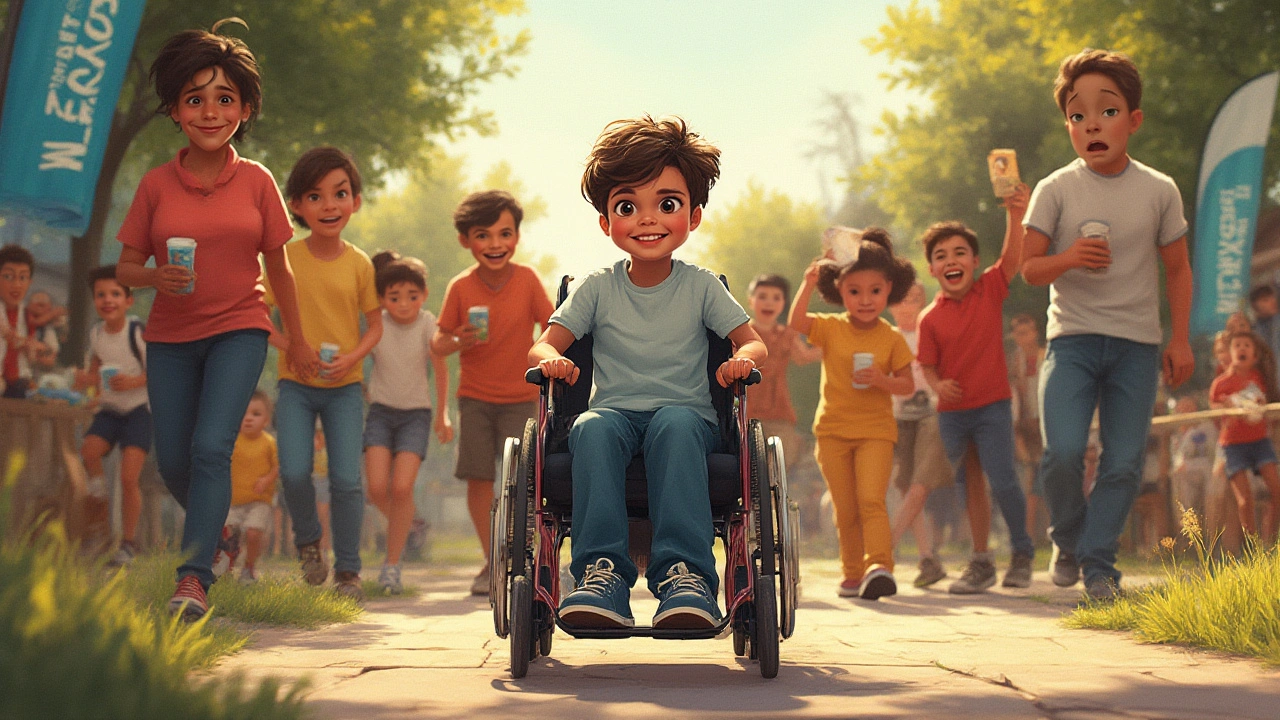
Donation Channels, Creative Fundraisers, and Everyday Ways to Help
Money isn’t everything, but let’s face it: research, adaptive equipment, and family support aren’t cheap. The good news is there’s a donation channel for every style, comfort zone, and budget. This September, new tech and trusted organizations have made giving easier, safer, and way more transparent.
Start with direct giving to research foundations. Organizations like Parent Project Muscular Dystrophy (PPMD) and Duchenne UK post real-time progress and stories from the labs you’re funding. You can set up one-time or recurring donations straight from your phone. Most platforms let you dedicate your gift in someone’s honor—a nice touch if you have a friend or family member on this journey.
If you’re more about grassroots support, check out crowdfunding pages for individual DMD warriors. These funds often help families pay for wheelchairs, medical travel, and even home modifications—things insurance barely touches. GoFundMe is flooded in September with stories, and even a $5 or $10 donation can snowball when shared widely.
Want to amplify your impact without dipping into your wallet? Volunteer your skills. Graphic designers, social media pros, copywriters, even good old-fashioned organizers—the community needs you. Some families need help setting up events or getting flyers printed; digital skills are especially in demand as more awareness moves online.
- Donate via DMD research charities
- Support GoFundMe campaigns for families
- Volunteer digital or creative skills
- Host a bake sale or lemonade stand (kids love to join in on these!)
- Set up monthly micro-donations; even $2/month adds up across hundreds or thousands
- Ask local shops to host a donation jar or "round up" option at checkout
And don’t overlook corporate matching programs—many employers will double what you donate. All you need is a receipt and a simple form. Plus, some companies now offer volunteer grants: if you help at a Duchenne event for a few hours, your company chips in cash for each hour served.
It’s not all about dollars, either. Support families by offering practical help—rides to appointments, meal trains, tutoring. Even just checking in with messages makes a huge difference to families fighting isolation, especially if they’re new to the DMD world.
Local communities sometimes organize care package drives filled with fun socks, books, or art kits for kids at home or in hospitals. If you run a small business, consider donating a percentage of September sales or matching customer fundraiser gifts.
Want a central hub for inspiration, ideas, and practical options? Check resources like this post for an updated, personal take on donation ideas and specific events happening this month: Duchenne Muscular Dystrophy Awareness Month.
This year, don’t just be a bystander. Whether you show up for a walk, bump up a hashtag, drop a few bucks, or simply tell someone about Duchenne, you’re nudging the future toward better treatments, stronger support, and real hope. September is short. For families with DMD, time matters even more. Eyes on the calendar, hearts on the cause—let’s show them how strong a community can be.
16 Comments
Scott McKenzie
Just did my first Walk for Duchenne with my nephew last weekend 🏃♂️❤️🔥. He’s 9 and uses a wheelchair now, but he still smiles bigger than anyone I know. Saw a dad crying at the finish line because his kid took three steps on his own last month. That’s the real win.
Jeremy Mattocks
I’ve been following DMD research since my cousin was diagnosed in 2018 and honestly, the progress in gene therapy is nothing short of miraculous. Companies like Sarepta and Solid Biosciences are now testing exon-skipping treatments that can restore partial dystrophin production in over 60% of patients. It’s not a cure yet, but we’re moving from managing symptoms to actually modifying the disease trajectory. The funding spike from last year? That’s what made this possible. Every dollar, every shared post, every mile walked-it compounds. And if you think this is just about one rare disease, you’re wrong. The tech being developed here is paving the way for treatments of other neuromuscular disorders, even spinal muscular atrophy and ALS. This isn’t charity. It’s scientific momentum.
Paul Baker
GoRedForDuchenne is everywhere man 🤝🔴 i saw a dog in a red bandana in Dallas yesterday lol. dont know if its the same one from last year but still. keep it up
Zack Harmon
This is the most pathetic display of performative activism I’ve ever seen. You people post red selfies and call it awareness. Where’s the real funding? Where’s the pressure on Congress? Where’s the outrage that insurance still denies wheelchairs because they’re "not medically necessary"? You’re all just virtue signaling while kids die in slow motion. And don’t even get me started on those "Duchenne Day-Off" fundraisers-kids donate a dollar to wear jeans? That’s not helping. That’s distraction. Real change needs policy, not hashtags.
Jeremy S.
I just donated $10. Didn’t post it. Didn’t tag anyone. Just did it. That’s enough.
Jill Ann Hays
The sociological implications of digital activism in rare disease advocacy cannot be understated. The algorithmic amplification of emotional narratives over clinical data creates a feedback loop that prioritizes affective resonance over epistemic rigor. While the visibility is beneficial, the commodification of suffering through curated imagery undermines the scientific legitimacy of the cause.
Mike Rothschild
My sister volunteers with PPMD and she says the biggest gap isn’t money-it’s people who know how to help. You don’t need to run a marathon. Just offer to drive someone to an appointment. Bring a meal. Sit with a kid while the parents breathe. That’s the real backbone of this movement. No hashtags needed.
Ron Prince
Why are we spending money on this when we got real problems? Like illegal immigration and border security? This is just woke nonsense. Some kid got bad genes? That’s life. We ain’t got time for this.
Sarah McCabe
Saw a red light-up in Dublin last night 🌆❤️🔥. Felt weirdly emotional. We don’t have big events here but the local school did a bake sale. Kids made cupcakes with red icing. One wrote "Duchenne Strong" with sprinkles. I cried in the car. Ireland’s quiet but we show up.
King Splinter
Look, I get it. I’m not saying it’s not sad. But let’s be real-how many of these kids are even going to live past 20? We’re throwing millions at a genetic dead end. Why not focus on curing diabetes or heart disease where we can actually save millions? This feels like a money pit with a pretty hashtag. And don’t even get me started on those TikTok videos where the kid smiles while wheeled around. It’s not inspiring. It’s exploitation.
Kristy Sanchez
Oh great. Another month where we turn a child’s suffering into a viral aesthetic. Wear red. Post a selfie. Donate $5. Then go back to ignoring them for the other 11 months. It’s not awareness-it’s emotional tourism. You don’t care about Duchenne. You care about how good you look helping. And the "Duchenne Strong" merch? That’s just capitalism slapping a label on grief. Someone’s making bank off this. And it’s not the families.
Michael Friend
Every single one of these "awareness" campaigns is just a distraction. The real issue? The FDA’s approval process is broken. The treatments being developed are too expensive, too slow, and too exclusive. And now you want me to believe a $10 donation and a red shirt changes that? No. You’re not helping. You’re just making yourselves feel better while the system keeps failing. And the families? They’re exhausted. They’ve been begging for real change for decades. Your hashtags don’t fix insurance denials.
Jerrod Davis
It is imperative to recognize that the current framework of awareness-based fundraising, while well-intentioned, lacks structural efficacy. The absence of longitudinal data tracking, coupled with inconsistent donor retention metrics, renders many of the aforementioned initiatives statistically insignificant in terms of sustainable impact. A more rigorous, evidence-based allocation of resources is required.
Dominic Fuchs
People think they’re heroes because they wore red. But real heroism is showing up every Tuesday at 3pm to help a kid with his physio. No camera. No hashtag. Just presence. That’s what changes things. Not the light-ups. Not the memes. The quiet stuff. The stuff nobody posts.
Asbury (Ash) Taylor
Every single one of you who just donated, shared, or showed up-you’re not just helping a cause. You’re helping a future. There are kids right now who’ve never met someone who didn’t treat them like a diagnosis. You’re giving them normalcy. You’re giving them hope. And that’s more powerful than any statistic or headline. Keep going. Not for the likes. For them.
Kenneth Lewis
didnt know duchenne was so common. i thought it was like 1 in 100k. guess i was wrong. also i think the red thing is kinda cringe but whatever. i donated 5 bucks