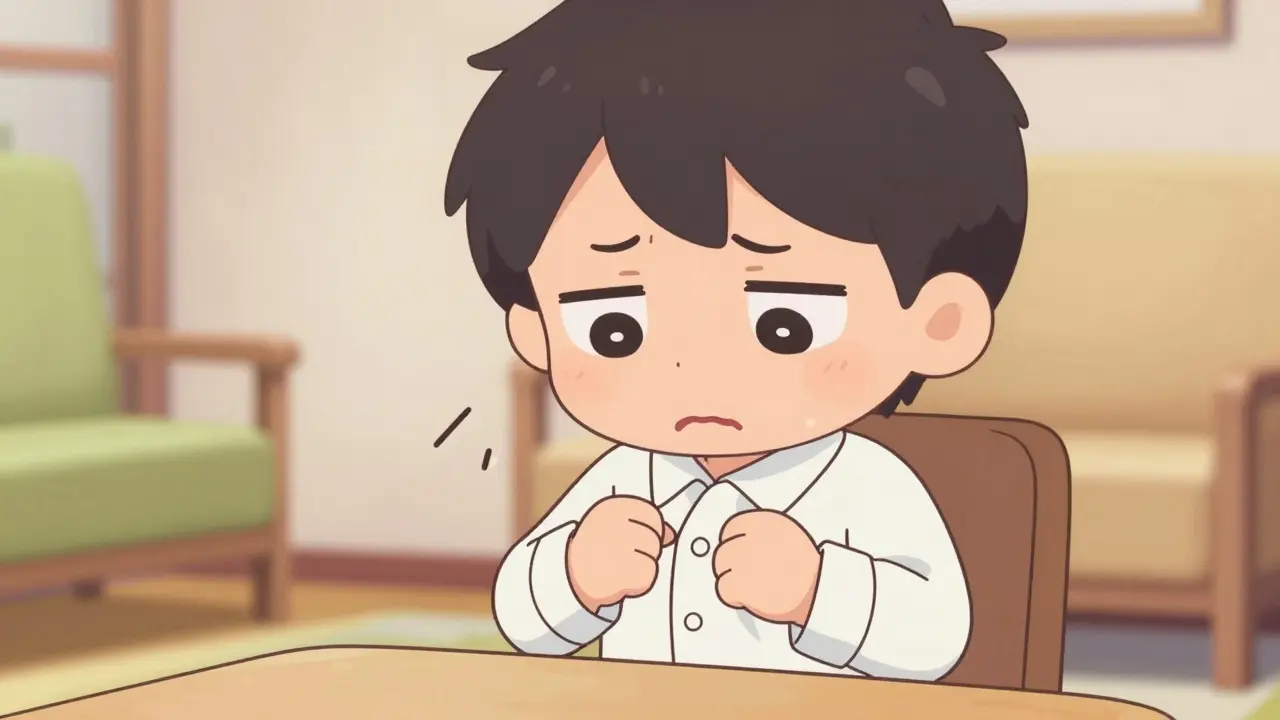
Imagine your hand starts shaking when you’re just sitting there, relaxed. You try to button your shirt, but your fingers feel stiff, like they’re made of lead. These aren’t just signs of aging; they are the hallmark symptoms of Parkinson’s disease, a progressive neurological disorder that affects movement by depleting the brain’s supply of dopamine. For millions of people worldwide, this diagnosis brings a sudden shift in daily life. But here is the good news: while we cannot cure the disease yet, we have powerful tools to manage it. The cornerstone of modern treatment is dopamine replacement therapy, specifically using medications like levodopa to restore motor function and improve quality of life.
This guide breaks down exactly what happens in your body, why those specific symptoms appear, and how dopamine replacement works to fight back. We will look at the real-world effectiveness of these treatments, the side effects you need to watch for, and practical tips for managing your medication schedule.
Understanding the Core Symptoms: More Than Just Shaking
When people think of Parkinson’s, they think of a tremor. While that is true for about 80% of patients, the disease involves a complex cluster of motor symptoms caused by the death of nerve cells in the substantia nigra, a region of the brain responsible for producing dopamine. As these cells die-losing 60-80% of their population before symptoms even show up-the brain loses its ability to control movement smoothly.
The four primary motor symptoms define the clinical picture:
- Resting Tremor: This is often the first sign. It typically starts in one hand or arm and is most noticeable when the limb is relaxed. It has a distinct rhythm of 4-6 times per second, often described as a "pill-rolling" motion where the thumb and forefinger rub together. Interestingly, this tremor usually stops when you move voluntarily or sleep, but can get worse with stress or fatigue.
- Bradykinesia: This medical term means slowness of movement. Simple tasks like walking, turning in bed, or typing become slower and more difficult. Your steps might become shorter, and your arms may stop swinging naturally.
- Rigidity: Muscles become stiff and resist movement. Doctors often describe this as "cogwheel" rigidity because of the jerky resistance felt when moving a joint. This stiffness can cause painful muscle cramps and make fine motor tasks, like writing or tying shoelaces, incredibly frustrating.
- Postural Instability: In later stages, balance problems increase the risk of falls. This symptom usually appears after the others have been present for some time.
It is crucial to understand that these symptoms are not random. They are direct results of the brain’s inability to send clear signals to the muscles due to low dopamine levels. Recognizing these specific patterns helps doctors confirm the diagnosis and tailor treatment plans effectively.
How Dopamine Replacement Therapy Works
You cannot simply inject dopamine into the bloodstream to fix the problem. Dopamine molecules are too large and polar to cross the blood-brain barrier, the protective shield that keeps harmful substances out of the brain. If you took pure dopamine pills, they would never reach the parts of the brain that need them.
Instead, doctors use Levodopa (L-DOPA), a precursor molecule that can cross the blood-brain barrier. Once inside the brain, enzymes convert Levodopa into dopamine, replenishing the depleted stores. However, if taken alone, much of the Levodopa converts to dopamine in the gut and bloodstream, causing severe nausea and vomiting before it ever reaches the brain.
To solve this, Levodopa is almost always combined with Carbidopa. Carbidopa blocks the conversion of Levodopa to dopamine outside the brain. This means more Levodopa survives the journey to the brain, allowing for lower doses and significantly fewer side effects like nausea. The standard combination, often sold under brand names like Sinemet, has been the gold standard since 1970.
| Medication Type | How It Works | Effectiveness | Key Side Effects |
|---|---|---|---|
| Levodopa/Carbidopa | Converts to dopamine in the brain | Highest (Gold Standard) | Nausea, dyskinesias (long-term), wearing-off |
| Dopamine Agonists | Mimics dopamine action directly | Moderate (30-50% less than Levodopa) | Sleepiness, impulse control issues, swelling |
| MAO-B Inhibitors | Prevents breakdown of existing dopamine | Mild (Early stage only) | Headache, interaction with certain foods |
For many patients, especially those diagnosed younger than 60, doctors might start with Dopamine agonists like pramipexole or ropinirole. These drugs mimic dopamine rather than replacing it. They are slightly less effective for motor symptoms but carry a lower risk of long-term movement complications. However, for most older adults, Levodopa remains the most effective option to maintain mobility and independence.

The Reality of Long-Term Treatment: Benefits and Complications
Starting dopamine replacement therapy often feels like a miracle. During the initial "honeymoon period," which can last 5 to 10 years, patients experience up to 70% improvement in motor symptoms. Movements become smoother, tremors subside, and confidence returns. About 75% of patients respond well to this initial treatment phase.
However, Parkinson’s is a progressive disease. As more neurons die, the brain becomes less able to store and release dopamine smoothly. This leads to two major challenges in long-term management:
- Wearing-Off Phenomena: The medication’s effect lasts for a shorter time. You might feel great for an hour after taking your pill, then suddenly feel stiff again before the next dose is due. This unpredictability can be stressful and disrupt daily activities.
- Dyskinesias: These are involuntary, erratic movements that occur when medication levels peak in the blood. They can range from mild fidgeting to severe twisting motions. Paradoxically, the treatment designed to stop shaking can eventually cause excessive movement.
Experts like Dr. Alberto Espay from the University of Cincinnati note that these motor complications can sometimes become more disabling than the original Parkinson’s symptoms. This is why the current medical consensus favors a "start low, go slow" approach. By using the lowest effective dose initially, doctors aim to delay the onset of these complications without sacrificing quality of life.

Practical Tips for Managing Medication and Lifestyle
Managing Parkinson’s medication is not just about swallowing pills; it requires strategic timing and lifestyle adjustments. Here is how to maximize the benefits of your dopamine replacement therapy:
- Watch Your Protein Intake: Proteins contain amino acids that compete with Levodopa for absorption in the gut. High-protein meals can significantly reduce the drug’s effectiveness. Many patients find success by spacing protein-heavy meals away from medication times or adopting a low-protein diet during the day, saving protein for dinner.
- Consistent Timing is Key: Set alarms. Taking your medication at the exact same time every day helps stabilize dopamine levels in the brain. Missing a dose or taking it late can trigger "off" periods where symptoms return sharply.
- Manage Nausea: If nausea is a side effect, take your medication with a small, bland snack like a cracker or toast. Avoid taking it on a completely empty stomach if possible, unless your doctor advises otherwise for better absorption.
- Track Your Response: Keep a simple diary noting when you take your meds, when you feel best ("on" time), and when symptoms return ("off" time). This data is invaluable for your neurologist to adjust dosages or switch formulations.
Newer delivery systems are also emerging to help with consistency. Extended-release formulations like Rytary allow for fewer daily doses, while inhalable Levodopa (Inbrija) can provide rapid relief for sudden "off" episodes within minutes. Though these options come at a higher cost, they offer flexibility for those struggling with oral medication fluctuations.
Looking Ahead: Future Directions in Care
While dopamine replacement manages symptoms, it does not stop the underlying disease progression. Research is actively shifting toward continuous delivery methods and disease-modifying therapies. Subcutaneous infusion pumps, which deliver Levodopa directly under the skin, are showing promise in providing steady dopamine levels throughout the day, reducing the peaks and valleys associated with oral pills.
Additionally, genetic studies are helping personalize treatment. Variants in genes like COMT and MAO-B can influence how quickly your body breaks down dopamine, meaning some patients may benefit more from specific enzyme inhibitors. As the global prevalence of Parkinson’s doubles by 2040, understanding these individual differences will be key to tailoring care.
Living with Parkinson’s requires patience and adaptation. By understanding the mechanics of your symptoms and working closely with your healthcare team to optimize dopamine replacement, you can maintain a high quality of life for years to come.
What is the most effective medication for Parkinson’s tremor?
Levodopa combined with Carbidopa is considered the most effective medication for controlling Parkinson’s motor symptoms, including tremor, rigidity, and slowness. It works by converting into dopamine in the brain, directly addressing the chemical deficiency caused by the disease.
Why do I feel worse between doses of my Parkinson’s medication?
This is known as the "wearing-off" phenomenon. As Parkinson’s progresses, the brain loses its ability to store dopamine. Consequently, the effects of each dose last for a shorter period, leading to a return of symptoms before the next dose is due. Adjusting dosage frequency or switching to extended-release formulations can help manage this.
Can high-protein diets interfere with Parkinson’s medication?
Yes. Amino acids from proteins compete with Levodopa for absorption in the intestine. Consuming high-protein meals close to medication times can reduce the amount of drug that reaches the brain, making symptoms harder to control. Many patients space protein intake away from their morning and afternoon doses.
What are dyskinesias, and are they dangerous?
Dyskinesias are involuntary, erratic movements that often occur when Levodopa levels peak in the blood. While they are generally not life-threatening, they can be socially embarrassing and physically uncomfortable. They are a common long-term side effect of Levodopa therapy and can often be managed by adjusting medication dosages or adding other drugs.
Is there a cure for Parkinson’s disease?
Currently, there is no cure for Parkinson’s disease. Treatments focus on managing symptoms by replacing dopamine or stimulating dopamine receptors. Research into gene therapies and continuous delivery systems is ongoing, aiming to slow progression and improve long-term outcomes, but symptomatic management remains the standard of care.