Imagine you have a prescription for a medication that has kept your blood pressure stable for years. One day, you pick it up at the pharmacy, and instead of the familiar box, you get a different-looking package with a lower price tag. It’s the same drug, technically, but it feels different. Is it safe to switch? This is the question millions of patients face every year as they navigate the complex world of generic drugs, which are pharmaceutical products designed to be equivalent to their brand-name counterparts but sold at a fraction of the cost. While regulators insist these medications are identical in effect, patient experiences and some clinical studies suggest the reality might be more nuanced.
The core promise of generic medication is simple: same active ingredient, same strength, same dosage form, and same route of administration. However, the devil is often in the details-specifically, the inactive ingredients and manufacturing processes. Understanding whether generics are truly as safe and effective as brands requires looking beyond marketing claims and diving into the clinical evidence, regulatory standards, and real-world outcomes.
How Regulators Define "Equivalent"
To understand the safety debate, we first need to look at how agencies like the U.S. Food and Drug Administration (FDA) approve these drugs. The process isn't about repeating massive clinical trials on thousands of people. Instead, it relies on a concept called bioequivalence. This means the generic drug must deliver the same amount of active ingredient into the bloodstream at roughly the same rate as the brand-name version.
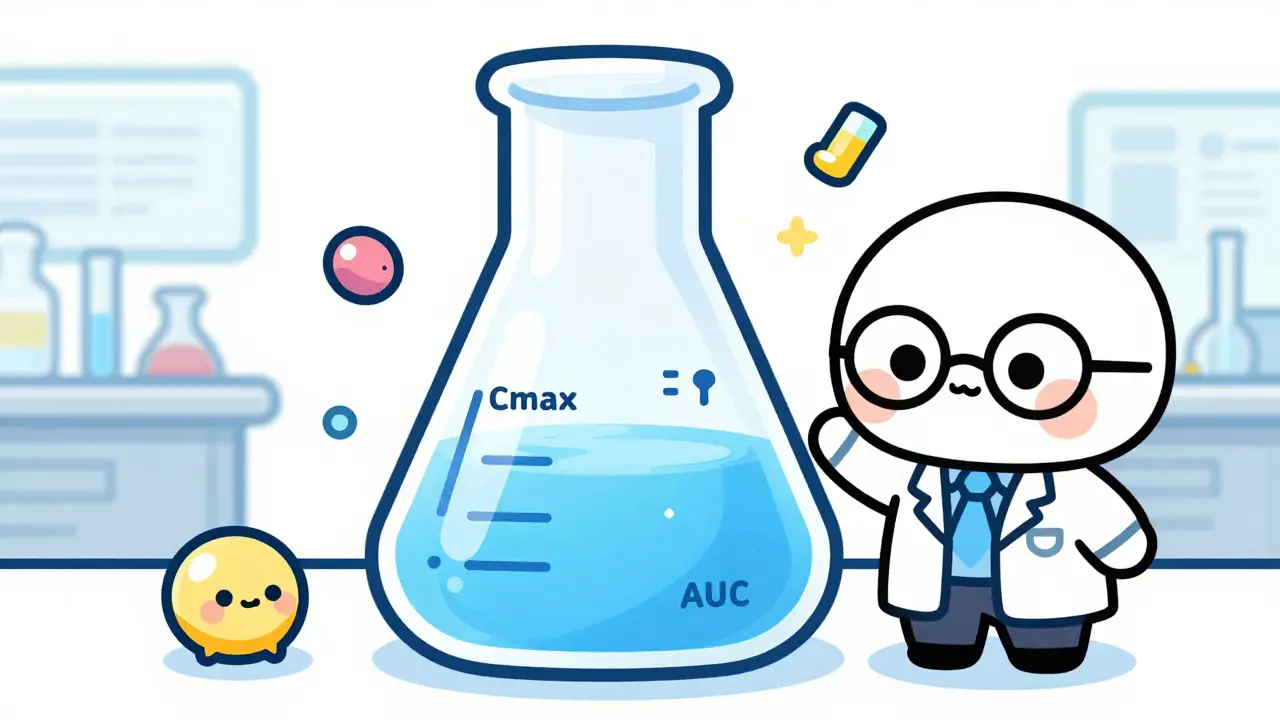
The FDA requires that the 90% confidence interval for key pharmacokinetic parameters-specifically Cmax (maximum concentration) and AUC (area under the curve)-falls within an 80-125% range compared to the reference brand drug. In plain English, this allows for a small window of variation. For most medications, this variance is clinically insignificant. If a drug works across a wide range of doses, being slightly above or below the exact midpoint doesn’t change its effectiveness.
However, this standard assumes that all drugs behave the same way. It doesn't account for differences in inactive ingredients, also known as excipients, which can include fillers, binders, and dyes. These components don't treat the disease, but they affect how the pill dissolves and how your body absorbs it. While the FDA mandates that generics meet strict quality standards, the flexibility in choosing these inactive ingredients is where potential discrepancies arise.
The Clinical Evidence: What Do Studies Say?
If you ask a regulator, generics are just as good. If you ask a skeptical patient, they might say otherwise. The scientific literature reflects this divide, with major studies offering contradictory conclusions depending on how they measure success.
On one side, large-scale observational studies tend to support generics. A notable 2020 study published in Nature Scientific Reports by Kesselheim et al. analyzed data from nearly all insured persons in Austria between 2007 and 2012. They looked at 17 different drugs and found that generic versions were associated with significantly fewer deaths and fewer major adverse cardiac events for most of them. Specifically, for cardiovascular outcomes, generics showed 40.6 deaths per 1,000 patient-years compared to 45.8 for branded medicines. The researchers concluded that generics were "at least similar, and in some cases superior" to brands.
Conversely, other research highlights specific failures. A review in the Journal of Clinical Pharmacy and Therapeutics documented cases where 30% of patients discontinued generic treatment due to side effects or lack of efficacy after switching from a brand. More alarmingly, a 2017 Canadian study published in Circulation: Cardiovascular Quality and Outcomes found increased adverse events after the introduction of generic versions of three blood pressure medications: losartan, valsartan, and candesartan. Among over 136,000 seniors, there was an 8% to 14% increase in adverse events in the month following the switch to generics. These findings suggest that while generics work for the majority, the "one size fits all" approach may not hold true for everyone.
| Study/Source | Year | Key Finding | Implication |
|---|---|---|---|
| Kesselheim et al. (Nature) | 2020 | Fewer deaths and cardiac events with generics in Austria | Generics may be equally or more effective for broad populations |
| Canadian Study (Circulation) | 2017 | Increased adverse events for specific blood pressure meds | Switching can trigger issues for vulnerable groups |
| FDA FAERS Data | 2018-2022 | No significant difference in adverse event reports per million prescriptions | Overall safety profile remains comparable |
| Consumer Reports Survey | 2022 | 89% reported no issues; 11% perceived differences | Minority of users experience noticeable changes |
The Narrow Therapeutic Index Problem
Not all drugs are created equal when it comes to tolerance for variation. Some medications have what experts call a narrow therapeutic index (NTI). These are drugs where the difference between a helpful dose and a toxic or ineffective dose is very small. Examples include warfarin (a blood thinner), levothyroxine (for thyroid conditions), and certain anti-seizure medications like phenytoin.
For NTI drugs, even a slight deviation in bioavailability-within that allowed 80-125% range-can lead to serious clinical consequences. If a generic levothyroxine delivers 80% of the expected absorption instead of 100%, a patient’s thyroid levels could plummet, causing fatigue, weight gain, and heart issues. This is why many specialists recommend sticking to one manufacturer for these critical drugs, whether it’s the brand or a specific generic.
Patient anecdotes strongly support this concern. On online forums like Reddit’s r/pharmacy, numerous users report dramatic shifts in health metrics after switching generic manufacturers. One user noted their TSH levels jumped from 1.2 to 8.7 within three months of switching to a generic levothyroxine, despite keeping the dose the same. Similarly, patients with epilepsy often report breakthrough seizures when pharmacies substitute different generic suppliers. The American Thyroid Association explicitly recommends consistent use of either brand or generic levothyroxine without frequent switching.
Why Do Some Patients Feel Different?
If the active ingredient is the same, why do some people feel worse on generics? The answer usually lies in the inactive ingredients and the placebo/nocebo effect.
Different manufacturers use different binders and fillers. Some patients may have sensitivities or allergies to specific dyes or lactose-based fillers used in one generic but not another. Additionally, the dissolution rate-the speed at which the pill breaks down in the stomach-can vary slightly between manufacturers. For most drugs, this doesn't matter. But for someone with sensitive digestion or specific metabolic conditions, it might alter how quickly the drug kicks in.
Then there's the psychological factor. If a patient believes the generic is "inferior" because it costs less or looks different, they may unconsciously perceive side effects or reduced efficacy. This is known as the nocebo effect. A survey by the National Community Pharmacists Association found that 67% of pharmacists occasionally encounter patients who perceive reduced effectiveness or increased side effects after a switch. While not all of these reactions are physiological, they are real to the patient and require careful management.
What Should You Do? Practical Steps for Patients
So, should you refuse generics? For the vast majority of medications-statins, antibiotics, common pain relievers-the answer is no. Generics save the healthcare system billions and provide access to life-saving treatments. However, being informed helps you advocate for your health.
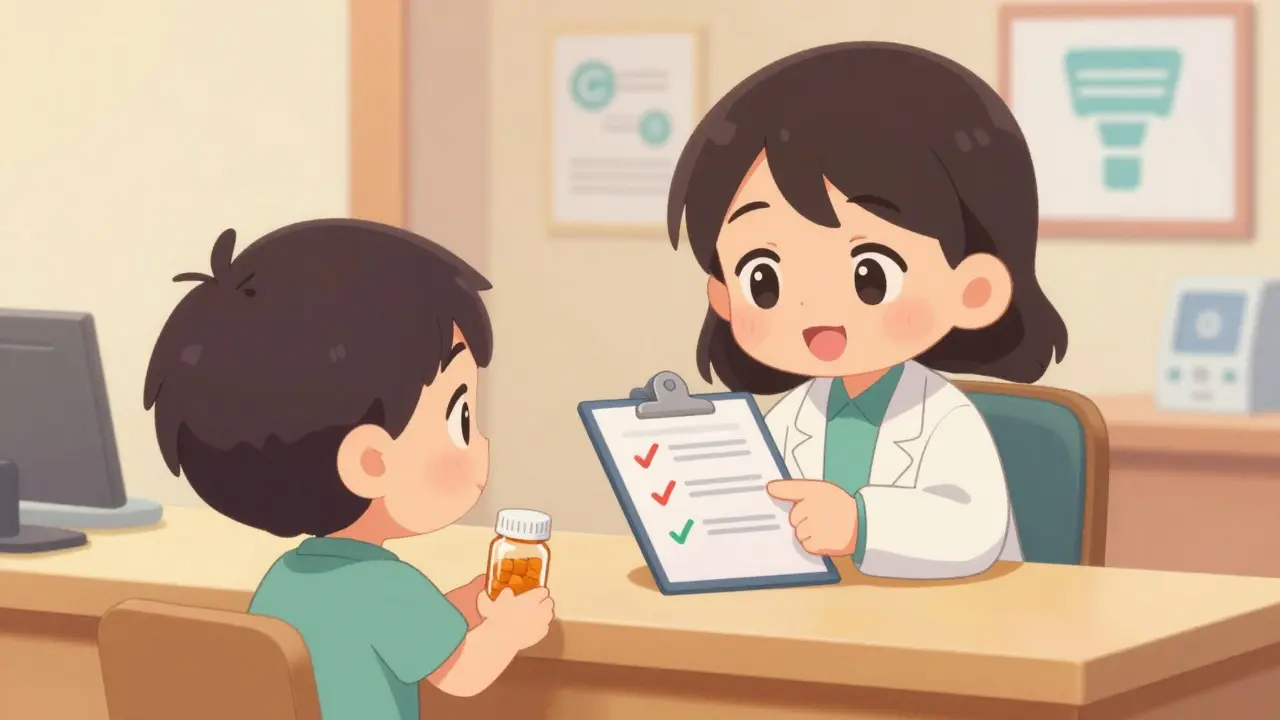
- Know Your Medication Type: If you take a narrow therapeutic index drug (like warfarin or levothyroxine), talk to your doctor about staying with one specific manufacturer. You may need to ask your pharmacist to avoid automatic substitutions.
- Monitor Your Body: When you switch from a brand to a generic, pay attention to how you feel for the first few weeks. Note any new side effects or changes in symptom control.
- Communicate with Your Pharmacist: If you suspect a generic isn't working, tell your pharmacist. They can check the FDA Orange Book to see if the generic has an "AB" rating (therapeutically equivalent) or if there are known issues with that specific supplier.
- Don't Stop Taking Meds: Never stop taking a prescribed medication because you dislike the generic. Consult your doctor first. They may adjust the dose or prescribe a different brand if medically necessary.
In the United States, pharmacists can automatically substitute generics unless the prescriber writes "Dispense as Written." Only 43% of physicians routinely check the Orange Book ratings before prescribing, according to a 2021 study. This gap in awareness means patients often bear the burden of noticing when a switch goes wrong.
The Bottom Line on Safety and Cost
The clinical evidence suggests that generic drugs are safe and effective for the overwhelming majority of patients and medications. The rigorous bioequivalence standards set by the FDA and other global regulators ensure that the active ingredient performs similarly to the brand. The cost savings are substantial, with generics accounting for 90% of prescriptions dispensed in the U.S. while representing only about 25% of spending.
However, "safe" doesn't always mean "identical for every individual." For narrow therapeutic index drugs, or for patients who are highly sensitive to formulation changes, the risk of clinical inefficacy or side effects is real. The key is not to fear generics, but to respect the nuances of your own biology. By staying informed and communicating openly with your healthcare providers, you can ensure that you get the best possible outcome, regardless of the label on the bottle.
Are generic drugs exactly the same as brand-name drugs?
Generic drugs contain the same active ingredient, strength, dosage form, and route of administration as brand-name drugs. However, they may differ in inactive ingredients (fillers, dyes, binders) and appearance. Regulatory agencies require generics to demonstrate bioequivalence, meaning they deliver the same amount of active ingredient into the bloodstream within a specific range (typically 80-125%).
Can generic drugs cause more side effects than brands?
While overall safety profiles are similar, some patients report more side effects with generics. This can be due to sensitivities to different inactive ingredients or variations in how quickly the drug dissolves. Large-scale studies generally show no significant difference in adverse event rates, but individual experiences can vary, especially with narrow therapeutic index drugs.
What are narrow therapeutic index (NTI) drugs?
NTI drugs are medications where the difference between a therapeutic dose and a toxic dose is very small. Examples include warfarin, levothyroxine, and certain anti-seizure drugs. Small variations in absorption can lead to significant clinical effects, so consistency in manufacturer is often recommended for these medications.
Should I ask my doctor to write "Brand Medically Necessary"?
You should discuss this with your doctor if you have experienced issues with generic versions of your medication, particularly for NTI drugs. Doctors can specify "Dispense as Written" if they believe a brand is medically necessary, though insurance coverage may vary. For most common medications, generics are preferred due to cost and proven efficacy.
Do generic drugs expire faster than brand names?
No, generic drugs undergo the same stability testing as brand-name drugs and have similar expiration dates. The FDA requires generics to meet strict quality standards, including shelf-life stability, ensuring they remain effective until the printed expiration date.