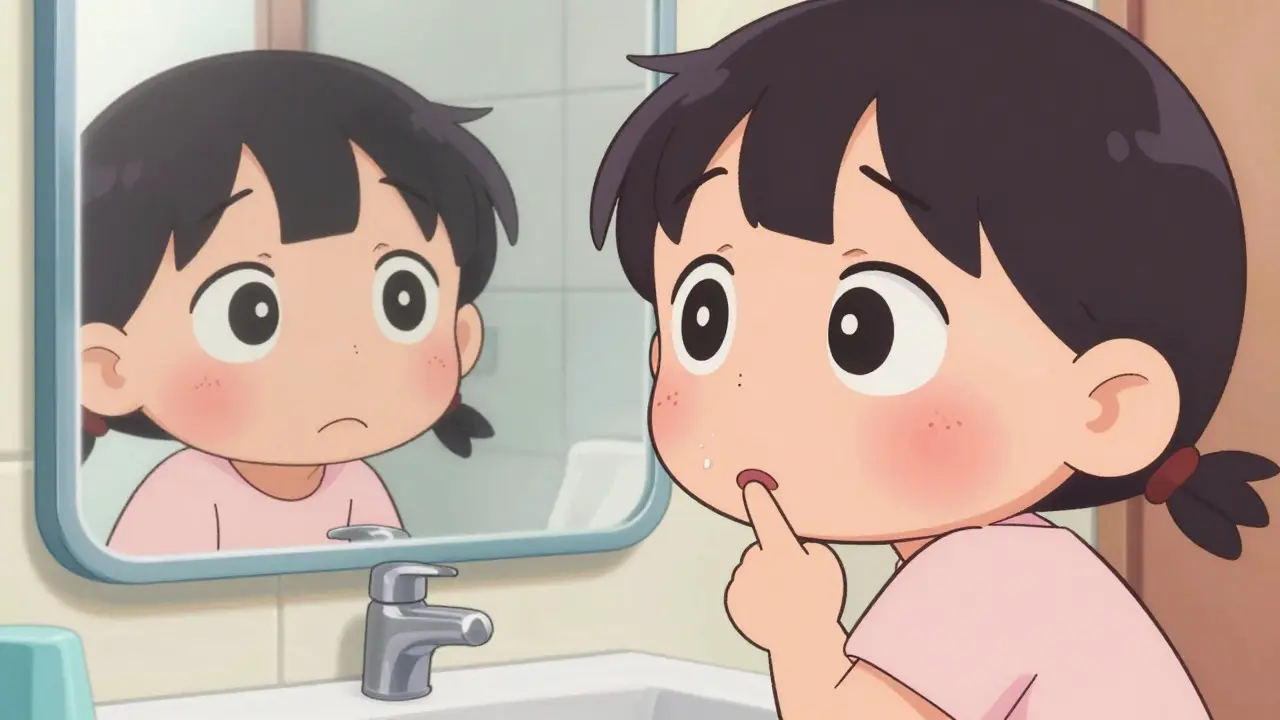
Ever stared in the mirror, spotting a red bump on your lip, and wondered if it’s just a stubborn pimple or the start of a cold sore outbreak? It’s a confusing moment for many, especially since both can look similar in their early stages. But here’s the catch: treating them the same way can actually make things worse. If you pop what you think is a pimple but is actually a cold sore, a viral infection caused by the herpes simplex virus type 1 (HSV-1) that manifests as fluid-filled blisters, you risk spreading the virus to other parts of your face or even to other people. On the other hand, slathering antiviral cream on a simple pimple, an inflammatory skin lesion resulting from clogged hair follicles containing sebum, dead skin cells, and bacteria does little more than irritate your skin. Knowing the difference isn’t just about vanity; it’s about choosing the right path to faster healing and avoiding unnecessary complications.
Key Takeaways
- Cold sores are viral clusters of blisters appearing specifically at the lip border, while pimples are single bumps that can appear anywhere on the face with hair follicles.
- The sensation before a visible rash is a major clue: cold sores cause tingling or burning, whereas pimples usually only hurt when touched.
- Treatment is completely different: cold sores need antivirals like acyclovir, while pimples respond to benzoyl peroxide or salicylic acid.
- Cold sores are highly contagious during active outbreaks, but pimples are not infectious at all.
- Early intervention is critical for cold sores, potentially shortening the duration by up to two days.
Spotting the Difference: Appearance and Location
The most immediate way to tell these two apart is by looking closely at where they show up and what they look like. Cold sores have a very specific habit: they love the vermillion border. That’s the thin line where your actual lip meets the rest of your face. You’ll typically see a cluster of tiny, fluid-filled blisters grouped together. They often start clear and turn cloudy as they mature. In contrast, a pimple is usually a standalone event. It’s a single raised bump that can pop up on your chin, forehead, cheeks, or even the surface of your lip itself, provided there are hair follicles there. While a cold sore looks like a small group of bubbles, a pimple looks like a singular, inflamed dot, often with a white or yellow head in the center.
If you zoom in, the texture differs significantly. Cold sore blisters feel smooth and taut because they’re filled with fluid. Pimples feel firmer, sometimes hard to the touch if they’re deep under the skin. This visual distinction is your first line of defense against misdiagnosis. If you see multiple tiny lesions huddled together right at the edge of your mouth, bet on cold sore. If it’s one isolated bump in the middle of your cheek, it’s likely acne.
How It Feels: Sensation as a Diagnostic Tool
Your skin tells you a lot before anything is even visible. For cold sores, there’s almost always a warning sign called the prodrome phase. This happens 12 to 48 hours before the blister appears. You might feel a strange tingling, itching, or burning sensation in that specific spot. It’s an uncomfortable feeling that seems to come from nowhere. Pimples don’t give you this kind of heads-up. A pimple usually just shows up. You might feel a bit of tenderness or pain when you press on it, but there’s no preceding wave of heat or tingling. If you wake up with a burning sensation on your lip corner, check the mirror immediately. That’s a classic cold sore signal.
This sensory difference is crucial because it gives you a window of opportunity. If you catch that tingling stage, you can start treatment before the virus fully erupts. For pimples, waiting for pain isn’t helpful because by the time it hurts, the inflammation is already well underway. The lack of a pre-warning for acne means prevention through daily routine is far more effective than reacting to pain.
Understanding the Causes: Virus vs. Bacteria
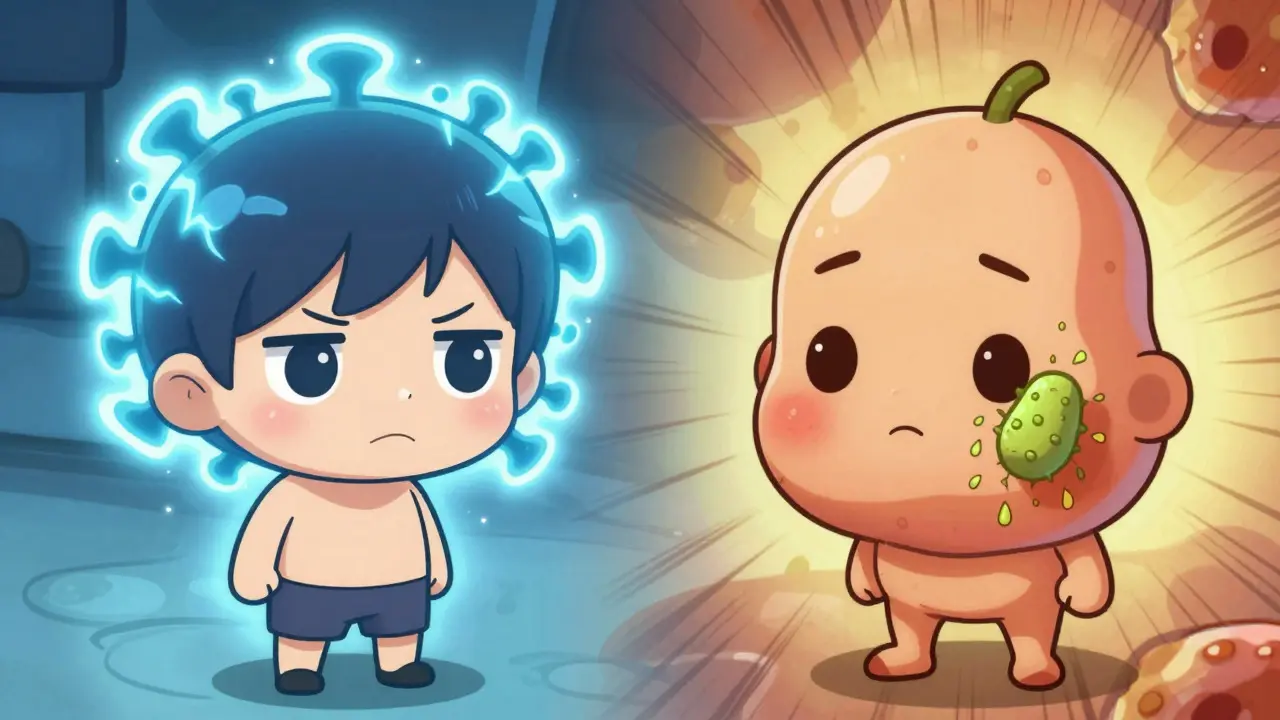
At their core, these conditions are driven by entirely different mechanisms. Cold sores are caused by the herpes simplex virus type 1, a DNA virus that establishes lifelong latency in nerve ganglia and reactivates due to triggers like stress or UV exposure. Once you have HSV-1, the virus stays in your body forever. It lies dormant in your nerves and wakes up when your immune system is stressed, you get too much sun, or you’re running on empty. About 67% of the global population under age 50 carries this virus, according to the World Health Organization. It’s incredibly common, which is why many people assume any lip bump is a cold sore.
Pimples, however, are mechanical and bacterial issues. They happen when your pores get clogged. Your skin produces oil called sebum. When dead skin cells mix with that oil, they block the pore. Then, Cutibacterium acnes, a bacterium naturally found on human skin that contributes to the development of acne vulgaris multiplies inside the clog, triggering an immune response. This results in redness, swelling, and pus. Unlike the virus, which is systemic and latent, a pimple is a localized event. Once the clog clears and the bacteria are dealt with, that specific pimple is gone. It doesn’t lie in wait for the next storm.
Treatment Strategies: Antivirals vs. Topicals
This is where mixing things up can do real damage. Because the causes are different, the medicines work differently. For cold sores, you need antiviral medication. Over-the-counter options include docosanol-based creams like Abreva, which can reduce symptoms if used consistently for four to five days. Prescription strengths like acyclovir, an antiviral drug used to treat infections caused by herpes viruses, available as topical cream or oral tablets or valacyclovir are more potent. Applying these during the tingling phase can shorten the outbreak by one to two days. If you wait until the scab forms, the meds are less effective.
For pimples, you want to unclog the pore and kill the bacteria. Benzoyl peroxide is a go-to ingredient. A 2.5% concentration is often enough to reduce inflammatory lesions by 40-60% over four weeks without causing excessive dryness. Salicylic acid, ranging from 0.5% to 2%, works by exfoliating the inside of the pore. Here’s the big mistake to avoid: using acne treatments on cold sores. Benzoyl peroxide and alcohol-based toners can be harsh. If applied to a fragile cold sore blister, they can rupture it prematurely. This releases the virus onto surrounding skin, increasing the chance of spreading the infection. Conversely, putting antiviral cream on a pimple does nothing but add cost and potential irritation.
| Feature | Cold Sore (Herpes Labialis) | Pimple (Acne Lesion) |
|---|---|---|
| Cause | Herpes Simplex Virus Type 1 (HSV-1) | Clogged pores with sebum and Cutibacterium acnes |
| Location | Lip border (vermillion edge) | Anywhere on face with hair follicles |
| Appearance | Cluster of fluid-filled blisters | Single raised bump, possibly with pus |
| Sensation | Tingling, burning, itching (prodrome) | Pain or tenderness upon touch |
| Contagious? | Yes, via direct contact | No |
| Primary Treatment | Antivirals (Acyclovir, Valacyclovir) | Benzoyl Peroxide, Salicylic Acid |
| Healing Time | 7-14 days (shorter with meds) | 3-7 days (minor), weeks (cystic) |
Prevention and Daily Management
Since cold sores are triggered by external factors, managing those triggers is key. Sunlight is a huge one. Using a lip balm with SPF 30 or higher can prevent UV-induced outbreaks. Stress management also plays a role, as high cortisol levels can suppress your immune system’s ability to keep the virus dormant. For those who suffer from frequent outbreaks, some dermatologists recommend daily low-dose antiviral therapy to keep the virus in check.
Pimple prevention is about consistency and hygiene. You don’t need to scrub your face raw. In fact, over-washing can strip natural oils, causing your skin to produce *more* sebum. Stick to a gentle cleanser twice a day. Use non-comedogenic products, meaning they won’t clog your pores. If you wear makeup, remove it thoroughly every night. Changing your pillowcase regularly can also help reduce bacterial transfer. Unlike cold sores, where you’re fighting a latent virus, acne management is about maintaining a clean, balanced environment for your skin cells.
When to See a Doctor
Most cold sores and pimples resolve on their own, but there are times you should seek professional help. If a cold sore lasts longer than two weeks, gets extremely painful, or spreads to your eyes, see a doctor immediately. Eye involvement can be serious. If you’re unsure whether a bump is a cold sore or a pimple, and it’s interfering with your daily life, a dermatologist can confirm the diagnosis with a quick swab test. For acne, if you’re dealing with cystic acne-deep, painful lumps under the skin-topical treatments might not be enough. Oral medications or specialized procedures may be necessary to prevent scarring. Don’t hesitate to ask for help; accurate diagnosis leads to better outcomes.
Frequently Asked Questions
Can you have a cold sore and a pimple at the same time?
Yes, absolutely. Since they are caused by different factors, they can occur independently. However, because they often appear in similar areas (the face/lips), it can be confusing. Look at the shape: if it’s a cluster, it’s likely a cold sore; if it’s a single bump, it’s likely a pimple.
Does popping a cold sore make it last longer?
Yes. Popping a cold sore ruptures the blister, releasing the virus onto the surrounding skin. This can spread the infection to new areas, creating more blisters. It also increases the risk of secondary bacterial infection and generally adds 3-5 days to the healing process.
Are cold sores contagious after the scab falls off?
The risk is significantly lower once the scab has fallen off and the skin has healed. However, "viral shedding" can still occur, meaning the virus can be present on the skin even without visible sores. To be safe, avoid sharing lip balm or kissing partners during the active and scabbing phases.
What is the best over-the-counter treatment for a cold sore?
Docosanol-based creams, such as Abreva, are the most common OTC option. They work best when applied at the first sign of tingling. For stronger relief, prescription antivirals like acyclovir cream are more effective but require a doctor's visit.
Can benzoyl peroxide be used on a cold sore?
It is generally not recommended. Benzoyl peroxide is drying and can irritate the delicate skin of a blister. It may cause the blister to burst prematurely, which spreads the virus. Stick to antiviral treatments for cold sores and save the benzoyl peroxide for confirmed acne.