Licorice Safety Calculator
Licorice Consumption Calculator
Enter how much black licorice you've consumed today to check if it's within safe limits according to medical guidelines.
Safety Information
European Food Safety Authority limit: 100 mg glycyrrhizin per day = approximately 50 grams of traditional black licorice.
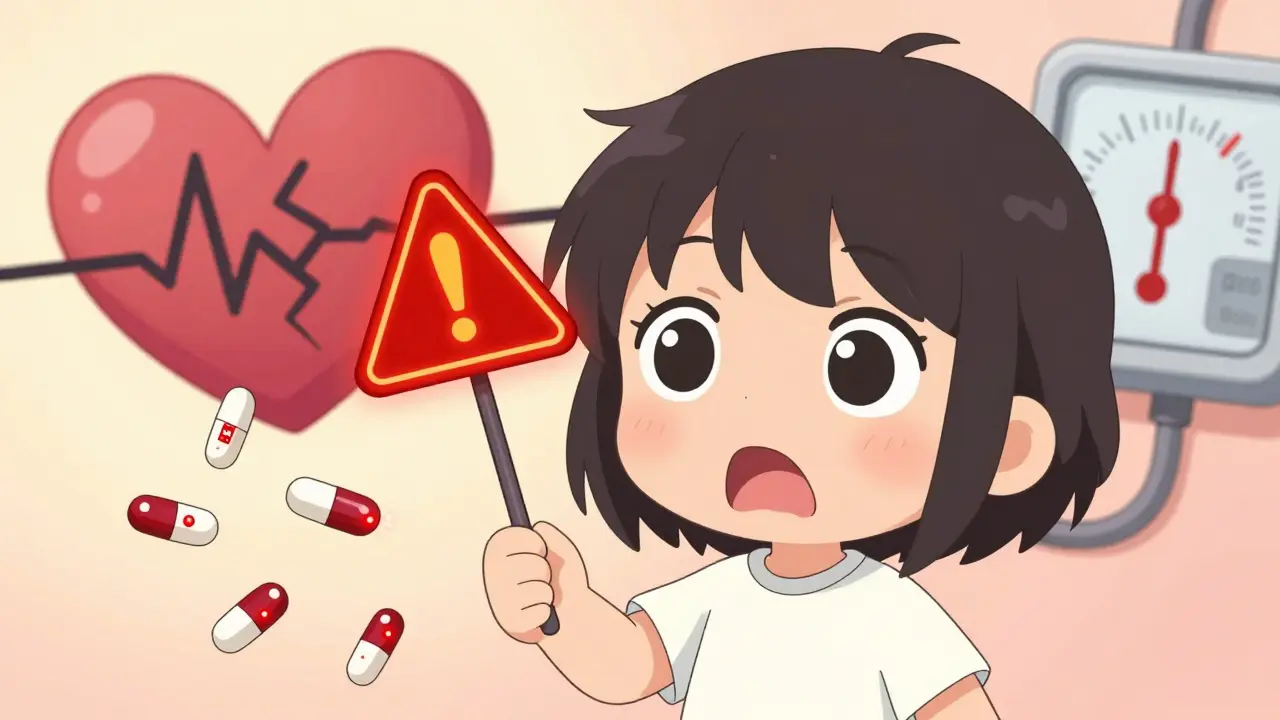
Why it matters: Glycyrrhizin causes sodium retention and potassium loss, which can increase blood pressure and lead to dangerous electrolyte imbalances.
Results
Most people think of licorice as just a sweet, chewy candy. But if you’re taking medication for high blood pressure, heart disease, or even thyroid issues, that black licorice stick could be doing more than satisfying a craving-it could be messing with your treatment in dangerous ways.
What’s Really in Licorice?
Not all licorice is the same. The kind that actually comes from the licorice root (Glycyrrhiza glabra) contains a compound called glycyrrhizin. This is what gives real licorice its distinct flavor-and its powerful effects on your body. Glycyrrhizin mimics the hormone aldosterone, which tells your kidneys to hold onto sodium and flush out potassium. That sounds harmless until you realize what that does to your blood pressure and heart rhythm. The European Food Safety Authority says healthy adults should not consume more than 100 mg of glycyrrhizin per day. That’s roughly 50 grams of traditional black licorice candy. But here’s the catch: most packages don’t say how much glycyrrhizin they contain. A 2023 Consumer Reports survey found that 78% of black licorice products didn’t list glycyrrhizin content at all. And many so-called "licorice" candies are actually flavored with anise oil, which has zero glycyrrhizin. You can’t tell the difference by taste or color. You just have to assume the worst if it’s sold as "real licorice."How Licorice Interferes With Medications
Licorice doesn’t just cause side effects on its own-it makes other drugs behave unpredictably. There are two main ways this happens. First, glycyrrhizin directly affects your body’s electrolyte balance. It causes sodium retention and potassium loss. That’s why people who eat a lot of licorice end up with low potassium levels (hypokalemia). When your potassium drops below 3.0 mmol/L, you can get muscle weakness, irregular heartbeat, or even sudden cardiac arrest. This isn’t rare. A 2012 case study in PubMed Central described a man who ate 200 grams of licorice daily for three weeks. His potassium fell to 2.6 mmol/L, and his blood pressure spiked to 210/120 mmHg. Second, licorice can change how your body processes certain drugs. Some compounds in licorice may speed up or slow down liver enzymes that break down medications. The science here is mixed. One 2023 study found no significant effect on major drug-metabolizing enzymes. But others, like Memorial Sloan Kettering, warn that licorice might interfere with drugs like warfarin, digoxin, and cyclosporine. One patient taking warfarin saw their INR drop sharply after eating licorice. Another developed digoxin toxicity because low potassium made the drug more potent.Medications That Can Turn Dangerous With Licorice
If you take any of these, you need to know the risks:- Antihypertensives (like lisinopril, losartan, or metoprolol): Licorice can cancel out their effects by raising blood pressure and causing fluid retention. One Reddit user reported his BP jumped from 120/80 to 165/95 after eating 30g of licorice daily for three days.
- Diuretics (like hydrochlorothiazide or furosemide): These drugs already lower potassium. Add licorice, and you’re asking for a dangerous drop. The University of Rochester warns that this combo can push potassium below 3.0 mmol/L.
- Corticosteroids (like prednisone or fludrocortisone): Both raise sodium and lower potassium. Together with licorice, the effect multiplies. A man in New Zealand taking fludrocortisone for years developed panic attacks and blood pressure over 205/110 after eating licorice-despite stable medication use.
- Warfarin and other blood thinners: Licorice may alter how your body metabolizes these drugs. One case showed a sudden drop in INR after licorice consumption, meaning the blood thinner became less effective.
- Digoxin: Low potassium from licorice makes digoxin more toxic. Even small amounts can trigger dangerous heart rhythms.
- Metformin: Animal studies suggest licorice might reduce its effectiveness. Human data is limited, but it’s not worth the risk.

Who’s Most at Risk?
It’s not just older adults. While most cases involve people over 50, younger people aren’t safe either. A 2012 case reported a 28-year-old woman who developed a blood clot in her arm after eating licorice daily for weeks. Her potassium was 2.4 mmol/L. People with existing heart disease, kidney problems, or liver issues are especially vulnerable. Those taking multiple medications are at higher risk because licorice can interfere with several drugs at once. And here’s something no one talks about: women on birth control pills or hormone replacement therapy may be more sensitive to licorice’s effects. One study suggested estrogen may enhance glycyrrhizin’s action on mineralocorticoid receptors.What About DGL Licorice?
You might see "DGL" on supplement labels-Deglycyrrhizinated Licorice. This version has the glycyrrhizin removed. It’s often marketed for stomach ulcers or acid reflux. If you’re taking medications, DGL is generally safe. But check the label. Some products still contain trace amounts. Look for "less than 1% glycyrrhizin" to be sure.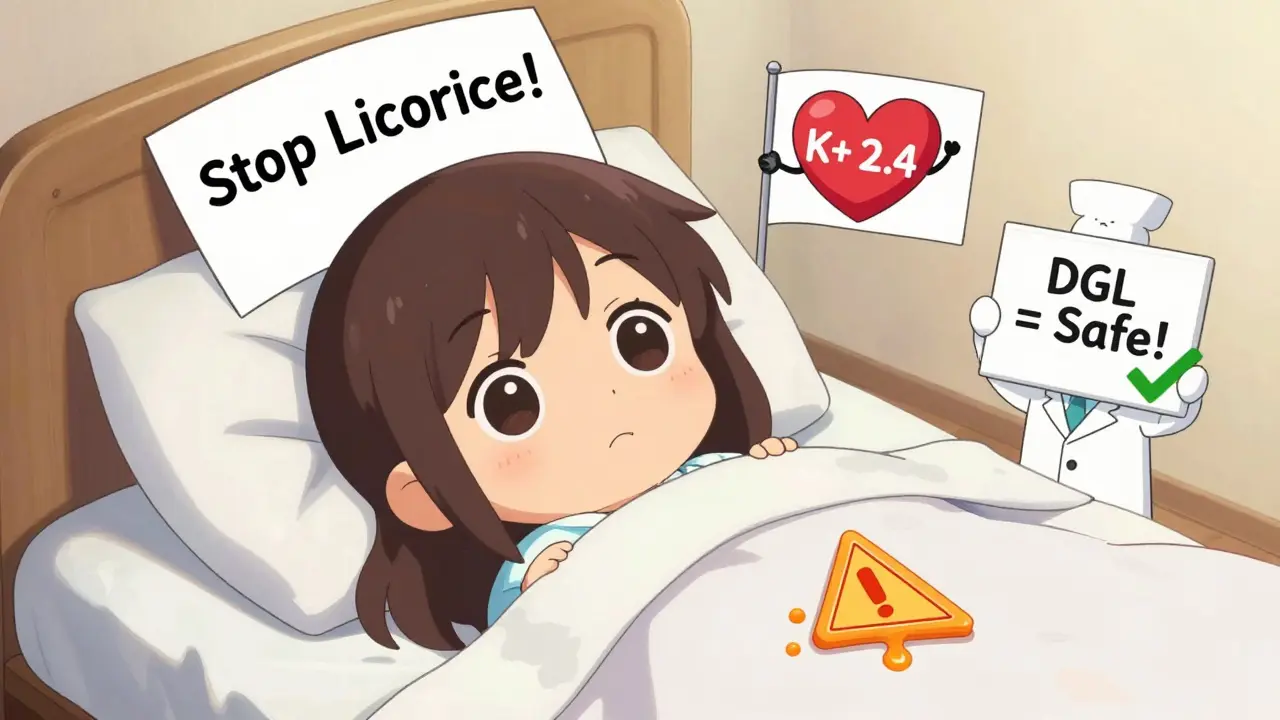
How to Stay Safe
You don’t have to give up licorice forever-but you do need to be smart:- Read labels. If it says "licorice root extract," assume it contains glycyrrhizin.
- Avoid eating more than 50g of black licorice per week if you’re on medication.
- If you’ve been eating licorice regularly and feel dizzy, weak, or have muscle cramps, get your potassium and blood pressure checked.
- Don’t assume "natural" means safe. Herbal supplements are not regulated like drugs.
- Tell your pharmacist or doctor if you eat licorice regularly-even if you think it’s "just candy."
The Bigger Problem: Lack of Awareness
A 2021 study found that only 37% of community pharmacists could correctly identify all major licorice-drug interactions. Most patients have no idea what they’re risking. ConsumerLab.com’s 2022 survey showed 68% of licorice supplement users didn’t know about potential interactions. And 22% reported symptoms like headaches, fatigue, or swelling after eating it. Regulators are starting to act. The UK now requires warning labels on products with more than 100 mg glycyrrhizin per serving. Japan limits supplements to 100 mg/day. The FDA has flagged licorice as a "high-priority" interaction risk in its 2023 draft guidance. But until labels are required to show glycyrrhizin content-and until doctors start asking about candy-people will keep getting hurt.Bottom Line
Licorice isn’t just a sweet treat. For people on medication, it’s a hidden risk. You can’t see it, taste it, or smell it. The danger is silent-until your blood pressure spikes, your potassium crashes, or your heart starts acting up. If you’re taking any prescription drugs, especially for heart or blood pressure, skip the black licorice. Or at least check with your doctor first. A few pieces might be fine for some. But for others, it could be the difference between staying healthy and ending up in the hospital.Can I eat licorice if I’m on blood pressure medication?
It’s not recommended. Licorice contains glycyrrhizin, which can raise blood pressure and cause fluid retention-directly opposing the effects of most blood pressure drugs. Even small amounts can interfere with medications like lisinopril or hydrochlorothiazide. If you must eat it, limit intake to under 50g per week and monitor your blood pressure closely. Better yet, avoid it entirely.
Is anise-flavored candy the same as licorice?
No. Many candies labeled "licorice" actually use anise oil for flavoring and contain no glycyrrhizin. These are generally safe. But if a product says "real licorice," "licorice root," or "Glycyrrhiza glabra," it likely contains the active compound that causes drug interactions. Always check the ingredients list.
How much licorice is dangerous?
The European Food Safety Authority sets a safe limit of 100 mg of glycyrrhizin per day. That’s about 50 grams of traditional black licorice candy. But because most products don’t list glycyrrhizin content, it’s hard to know exactly how much you’re consuming. Eating 200g daily for more than two weeks has been linked to serious side effects like severe hypertension and dangerously low potassium.
Can licorice affect my potassium levels?
Yes. Glycyrrhizin in licorice causes your kidneys to lose potassium and retain sodium. This can lead to hypokalemia-potassium levels below 3.0 mmol/L. Symptoms include muscle weakness, cramps, fatigue, and irregular heartbeat. In extreme cases, it can trigger cardiac arrest. People taking diuretics or heart medications are especially at risk.
What should I do if I’ve been eating licorice and feel unwell?
Stop eating licorice immediately. If you’re experiencing symptoms like swelling, headaches, muscle cramps, dizziness, or an irregular heartbeat, see your doctor. Get a blood test to check your potassium and sodium levels, and monitor your blood pressure. These effects can reverse once you stop consuming licorice, but delaying care can lead to serious complications.
Is deglycyrrhizinated licorice (DGL) safe to take with medications?
Yes, DGL is generally safe because most of the glycyrrhizin has been removed. It’s commonly used for digestive issues and doesn’t cause the same electrolyte imbalances. But always check the label-some DGL products still contain trace amounts. Look for "less than 1% glycyrrhizin" to be certain.
14 Comments
Adam Rivera
Man, I just ate a whole bag of those black licorice twists last week. Didn’t think twice. Now I’m sweating bullets wondering if I just signed up for a one-way ticket to the ER. Thanks for the wake-up call, OP. 🙏
Rosalee Vanness
I’m a nurse, and I’ve seen this happen more times than I can count. A sweet old lady comes in with arrhythmia, and you dig a little-turns out she’s been eating licorice root tea every morning ‘for her digestion.’ No one thinks candy is a drug until their heart starts doing the cha-cha. Please, if you’re on meds, just say no. Your kidneys will thank you.
James Castner
While the pharmacological mechanisms described here are indeed valid, one must also contextualize this within the broader epistemological framework of dietary autonomy versus medical paternalism. The notion that a naturally occurring phytochemical, glycyrrhizin, should be vilified without regulatory clarity is emblematic of a society that conflates chemical composition with moral hazard. The absence of mandatory labeling is not merely an oversight-it is a systemic failure of transparency in consumer health discourse. Moreover, the conflation of anise-flavored confections with true licorice root products demonstrates a troubling epistemic laziness among both manufacturers and consumers. The real issue lies not in licorice itself, but in the commodification of ignorance under the guise of convenience.
lucy cooke
Oh my GOD, I just realized I’ve been eating licorice every day since college. Like, literally every day. I thought it was just ‘my thing.’ Now I’m wondering if my ‘mysterious’ anxiety attacks, the weird muscle cramps, and that one time I nearly passed out at yoga were all because of this? I feel like I’ve been living a lie. My therapist is gonna have a field day. 🙃
mike swinchoski
You people are so weak. If you can't handle a little candy while on meds, maybe you shouldn't be on meds at all. My grandpa ate licorice every day and lived to 98. Stop being scared of food. It's not poison unless you're a hypochondriac.
Trevor Whipple
wait so if its labeled "anise" its fine? i just bought a bag of "licorice" from gas station and it said "flavored with anise" so im good right?? lol
John Pope
Let’s not reduce this to a simple ‘avoid candy’ narrative. Glycyrrhizin’s interaction with mineralocorticoid receptors is a textbook example of nutrigenomic modulation-a phenomenon where dietary compounds epigenetically influence receptor sensitivity. The real tragedy isn’t licorice; it’s that our pharmacovigilance systems are still stuck in the 1980s, treating food as inert. The FDA’s ‘high-priority’ tag is a band-aid. We need mandatory glycyrrhizin labeling across all jurisdictions. And yes, I’ve written my congressperson. Twice.
Adam Vella
According to the European Food Safety Authority’s 2020 risk assessment, the threshold of 100 mg glycyrrhizin per day is based on a 70 kg adult with normal renal function. For individuals with reduced glomerular filtration rate, the safe limit may be as low as 30 mg/day. This is rarely communicated to patients. The burden of knowledge should not rest solely on the consumer. Healthcare providers must integrate dietary supplement inquiry into routine medication reconciliation protocols.
Alan Lin
I’ve had patients come in with potassium levels so low they needed ICU admission-all because they thought licorice tea was ‘natural medicine.’ One woman was on lisinopril and drank licorice root tea daily for her ‘stress.’ She didn’t realize it was counteracting her medication. I don’t judge. I just wish more people knew. Please, if you’re reading this and you’re on meds-ask your pharmacist before you bite into that black stick. It’s not just candy. It’s a silent player in your health story.
Robin Williams
bro i just ate 3 bags of licorice this week and now my legs feel like jello… maybe i should stop?? 🤔
Anny Kaettano
As a pharmacist, I can’t tell you how many times patients say, ‘But it’s just candy!’-as if ‘just’ means harmless. Glycyrrhizin isn’t just a flavor. It’s a hormone mimicker. And when it teams up with diuretics or digoxin? It’s like pouring gasoline on a spark. I hand out printed one-pagers now. If you’re on heart meds, I don’t care if it’s ‘organic’ or ‘artisan’-if it says ‘licorice root,’ skip it. Your heart doesn’t care about your aesthetic.
John Tran
So… if I eat licorice and my BP goes up, does that mean my meds aren’t working? Or is it just the candy? I’ve been confused for years. My doctor never asked. My pharmacist didn’t mention it. I just thought I was getting older. Turns out I’ve been sabotaging myself with candy. I feel like a fool. But also… grateful. This post saved me from a stroke, maybe.
vishnu priyanka
In India, we have a similar thing with licorice root in Ayurvedic teas. People use it for coughs and digestion. But no one ever tells you about the blood pressure risk. I told my uncle who’s on hypertension meds to stop drinking it-he laughed and said, ‘But it’s from the earth!’ Now he’s got a potassium test scheduled. Maybe awareness starts with one conversation.
Angel Tiestos lopez
ok so if i eat the red licorice (the chewy kind) im safe right?? 🍬❤️