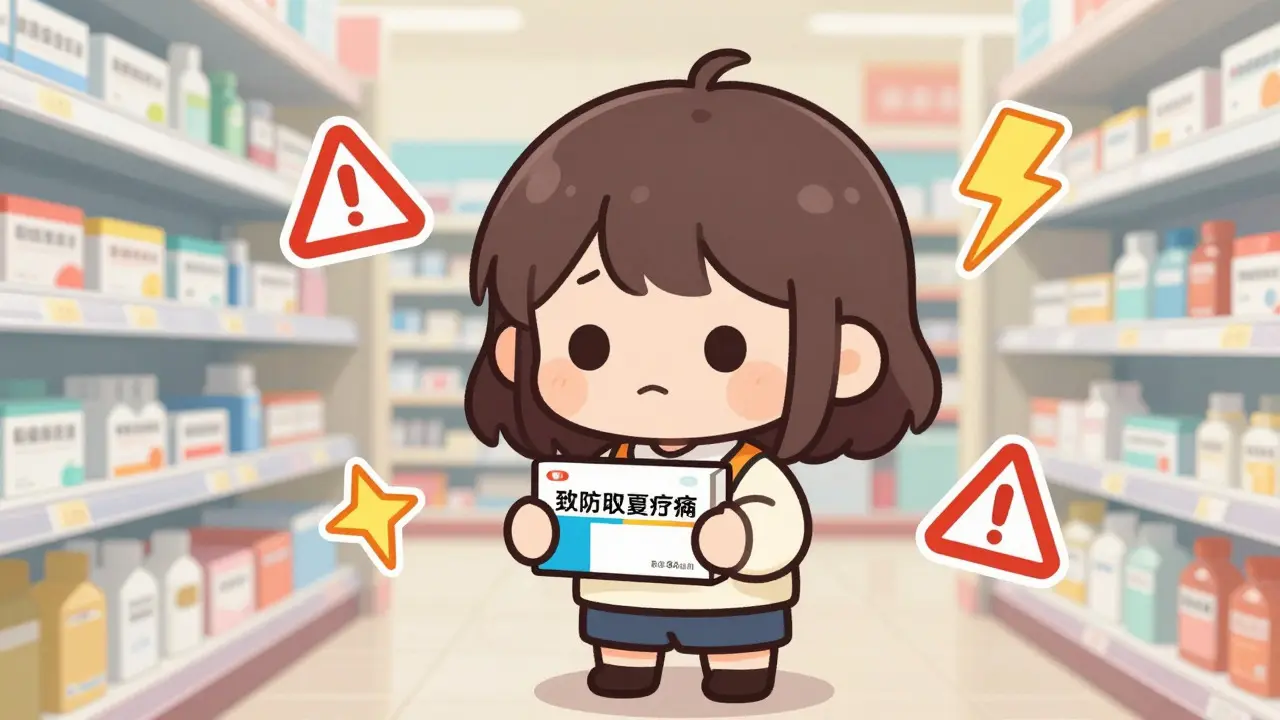
OTC Cold Medicine Safety Checker for MAOI Users
Select an ingredient from the list below (as you would find on a medicine label) to see its risk level, why it matters, and what to do instead.
Click an ingredient to check its safety profile
Imagine popping a standard over-the-counter cold remedy for a stuffy nose, only to have your blood pressure spike to dangerous levels within hours. For the roughly 350,000 Americans currently taking MAOIs, or monoamine oxidase inhibitors, this is not a hypothetical scenario; it is a well-documented medical risk that has led to numerous emergency room visits. While these older antidepressants are no longer the first line of defense for depression, they remain a critical tool for treatment-resistant cases, yet their unique mechanism of action creates a volatile chemical environment when mixed with common decongestants and cough suppressants.
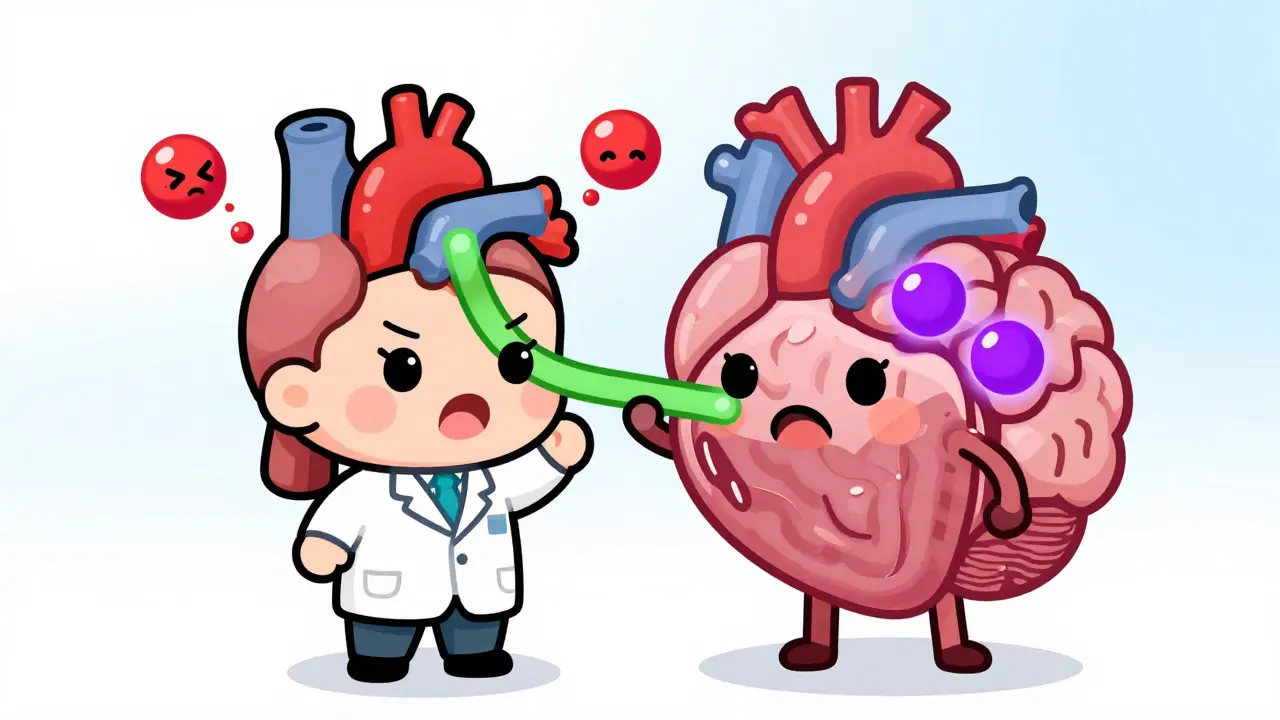
The core issue lies in how MAOIs work. They block an enzyme responsible for breaking down neurotransmitters like norepinephrine, dopamine, and serotonin. This buildup helps alleviate severe depression but leaves the body vulnerable to external triggers. When you add sympathomimetic agents found in many cold medicines-such as pseudoephedrine or phenylephrine-the result can be a hypertensive crisis, a sudden, severe increase in blood pressure that can lead to stroke or heart attack if untreated.
Why MAOIs React Differently Than Modern Antidepressants
You might wonder why this isn't a major concern for people taking SSRIs or SNRIs. The difference comes down to reversibility and specificity. Most traditional MAOIs, such as phenelzine (Nardil) and tranylcypromine (Parnate), are irreversible inhibitors. Once they bind to the enzyme, it stays blocked until the body builds new enzymes, a process that takes about two weeks. In contrast, newer drugs like fluoxetine (Prozac) are reversible and more selective.
This irreversibility means that if you ingest a substance that floods your system with norepinephrine, there is no enzymatic "brake" to slow it down. Research from the University of Texas Southwestern Medical Center, published in JAMA Psychiatry in June 2023, confirmed that even a single 30mg dose of pseudoephedrine can raise blood pressure by an average of 42/28 mmHg in patients taking phenelzine. That is a massive jump for someone whose baseline might already be elevated due to stress or illness.
The Two Major Risks: Hypertension and Serotonin
There are two distinct dangers to watch out for, each triggered by different ingredients in your medicine cabinet.
- Hypertensive Crisis: This is caused by sympathomimetics. These are stimulants that mimic the effects of adrenaline. Common culprits include pseudoephedrine (found in Sudafed) and phenylephrine (found in Sudafed PE). When combined with MAOIs, these compounds prevent the natural breakdown of catecholamines, leading to a surge in blood pressure. Symptoms include a pounding headache, neck stiffness, palpitations, and anxiety.
- Serotonin Syndrome: This occurs when serotonin levels become too high. Dextromethorphan, a common ingredient in cough syrups like Robitussin DM and Delsym, is a weak serotonergic agent. While the risk is lower than with SSRIs, combining dextromethorphan with an MAOI is considered one of the most toxic combinations according to StatPearls (2023). Symptoms range from agitation and confusion to high fever, muscle rigidity, and irregular heartbeat.
Navigating the OTC Aisle: What to Avoid and What to Use
Walking into a pharmacy can feel like a minefield for MAOI users because 78% of multi-symptom cold medications contain at least one prohibited ingredient, according to US Pharmacist data from 2023. The key is to treat every package label like a contract you must read carefully before signing.
| Ingredient | Risk Level | Reason | Safe Alternative Action |
|---|---|---|---|
| Pseudoephedrine | High | Triggers hypertensive crisis via norepinephrine release | Avoid oral forms; consult doctor for nasal sprays |
| Phenylephrine | High | Sympathomimetic effect similar to pseudoephedrine | Avoid unless supervised by physician |
| Dextromethorphan | Moderate-High | Increases serotonin, risking serotonin syndrome | Use non-serotonergic cough suppressants if approved |
| Guaifenesin | Low | Expectorant; minimal interaction profile | Generally safe for thinning mucus |
| Acetaminophen | Low | Pain reliever; no significant MAOI interaction | Safe for fever and body aches |
If you need relief from congestion, look for single-ingredient products. Guaifenesin (Mucinex) is generally safe for clearing mucus, and acetaminophen (Tylenol) handles pain and fever without touching the monoamine pathways. However, always double-check with your pharmacist, as formulations change frequently.
Special Considerations for Transdermal Patches
A common misconception is that switching to selegiline (Emsam) patch eliminates all dietary and drug restrictions. While true that the 6 mg/24hr dose allows for less strict tyramine diet adherence, the drug interaction precautions remain fully in effect. As noted by Psychiatrist.com in 2023, the patch still inhibits MAO-A in the gut and brain sufficiently to cause dangerous reactions with sympathomimetics. Therefore, the same rules apply: avoid pseudoephedrine and use caution with dextromethorphan.
In fact, Emsam accounted for 68% of MAOI prescriptions in 2022, up from 42% in 2015, largely because patients find the patch easier to manage daily. But ease of use does not equal safety from interactions. Many patients assume that because they aren't eating aged cheeses, they can ignore other warnings. This is a dangerous gap in knowledge that leads to the near-miss experiences reported on patient forums, where individuals describe severe headaches and palpitations after taking DayQuil or similar multi-symptom remedies.
Practical Steps for Safe Self-Medication
Education is your best defense. Studies suggest it takes 3 to 5 sessions with a pharmacist to fully internalize these risks. Here is a practical approach to staying safe:
- Carry a Wallet Card: Ask your psychiatrist for a list of forbidden ingredients. One user on PatientsLikeMe credited this simple card with preventing multiple potential crises over five years.
- Read Labels Twice: Look for "Active Ingredients." If you see any form of ephedrine, phenylpropanolamine, or dextromethorphan, put it back on the shelf.
- Ask for Single-Ingredient Options: Instead of buying a "Cold & Flu" combo, buy specific remedies for specific symptoms. It’s often cheaper and safer.
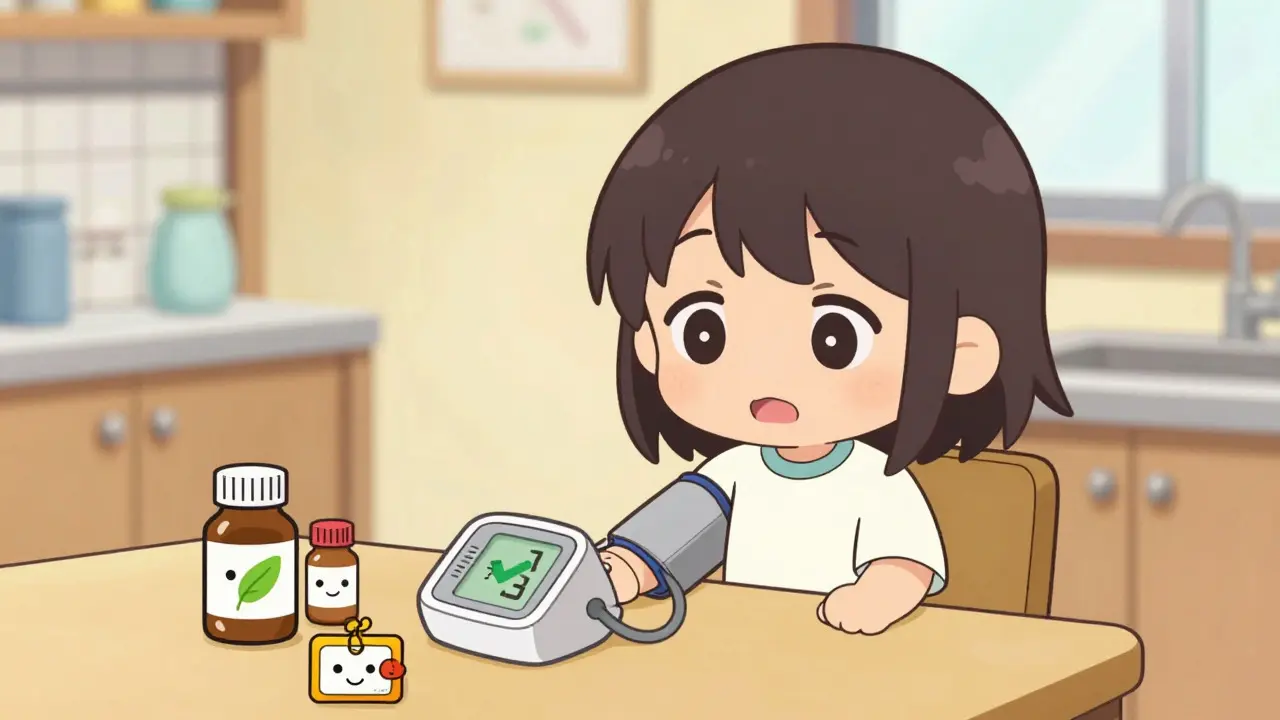
- Monitor Your Blood Pressure: If you do accidentally take a risky medication, check your BP immediately. If it exceeds 180/110 mmHg, seek medical attention.
Remember, the goal of MAOI therapy is to improve your quality of life, not to restrict it forever. With the right knowledge, you can manage a cold without compromising your stability. The landscape of antidepressants is evolving, with new reversible inhibitors in Phase II trials showing promise for reduced interaction risks, but for now, vigilance remains the standard of care.
Frequently Asked Questions
Can I take Sudafed if I am on an MAOI?
Generally, no. Oral Sudafed contains pseudoephedrine, which poses a high risk of hypertensive crisis when combined with MAOIs. You should avoid it unless explicitly cleared by your prescribing physician who can monitor your blood pressure closely.
Is dextromethorphan completely banned for MAOI users?
It is not strictly "banned" by law, but it carries a significant risk of serotonin syndrome. Most clinicians advise avoiding it or using it only under strict supervision. Safer alternatives for cough suppression may exist, so consult your pharmacist for specific product recommendations.
Does the Emsam patch require the same OTC precautions as oral MAOIs?
Yes. While the low-dose selegiline patch relaxes dietary tyramine restrictions, it maintains the same drug interaction precautions regarding sympathomimetics and serotonergic agents. Treat OTC cold medicines with the same caution as you would with oral Nardil or Parnate.
What are the early signs of a hypertensive crisis from drug interaction?
Early signs include a severe throbbing headache, stiff neck, rapid heartbeat, anxiety, and blurred vision. If these occur shortly after taking an OTC medication, check your blood pressure immediately and seek medical help if readings are significantly elevated.
How long should I wait before switching from an MAOI to another antidepressant?
A minimum 14-day washout period is typically required when switching from an irreversible MAOI to another serotonergic agent like an SSRI. This allows the enzyme activity to recover and reduces the risk of serotonin syndrome during the transition.