
Parkinson's Antipsychotic Safety Checker
Select a medication to check its safety profile
This tool helps you understand how different antipsychotics affect Parkinson's motor symptoms
When someone with Parkinson’s disease starts seeing things that aren’t there-people in the room, shadows moving, or loved ones who’ve passed away-it’s terrifying. Not just for them, but for everyone around them. This is Parkinson’s disease psychosis (PDP), and it affects nearly one in four people with Parkinson’s. The natural response? Give them an antipsychotic to calm the hallucinations. But here’s the cruel twist: the very drugs meant to help can make their shaking, stiffness, and slow movements far worse. In fact, some antipsychotics can turn a person who was walking with a cane into someone bedridden in weeks.
The Dopamine Dilemma
Parkinson’s disease is caused by the slow death of dopamine-producing neurons in the brain. Dopamine isn’t just a mood chemical-it’s the signal that tells your muscles when and how to move. Without enough of it, you get tremors, rigidity, and the slow, shuffling gait that defines the disease. That’s why levodopa, a dopamine replacement, is the gold standard treatment. But antipsychotics work by blocking dopamine receptors. That’s how they reduce hallucinations in schizophrenia. The problem? In Parkinson’s, you’re already running on empty. Blocking the last bits of dopamine left in the brain doesn’t just calm psychosis-it shuts down movement entirely. It’s like trying to fix a leaking faucet by turning off the water main. You stop the drip, but now nothing flows. This isn’t theoretical. In the 1970s, doctors started noticing that Parkinson’s patients given typical antipsychotics like haloperidol would suddenly freeze up. Their legs would lock. They’d stop speaking. Some couldn’t swallow. These weren’t side effects-they were reversals of everything the disease treatment was meant to achieve.Which Antipsychotics Are Most Dangerous?
Not all antipsychotics are created equal. The older ones, called first-generation antipsychotics (FGAs), are the worst offenders. Haloperidol (Haldol), fluphenazine, and chlorpromazine have an almost 90% chance of making motor symptoms dramatically worse-even at tiny doses. Haloperidol, in particular, binds so tightly to dopamine D2 receptors that it occupies 90-100% of them at standard doses. That’s why it’s been called the most dangerous antipsychotic for Parkinson’s patients. A 2020 movement disorders textbook notes that 70-80% of patients on haloperidol develop severe parkinsonism. Risperidone, often used off-label for psychosis, is just as bad. A 2005 double-blind trial showed it increased motor symptoms by an average of 7.2 points on the Unified Parkinson’s Disease Rating Scale (UPDRS-III). That’s more than double the worsening seen with the safest option. Worse, a 2013 Canadian study found risperidone nearly doubled the risk of death in Parkinson’s patients compared to those not taking antipsychotics. Even olanzapine, which some hoped would be safer, caused motor worsening in 75% of patients in a small 1999 study. Only one out of twelve patients stayed on it. The pattern is clear: high D2 receptor blockade = motor disaster.The Two Safer Options
There are two antipsychotics that don’t wreck motor function-and they’re the only ones recommended for Parkinson’s patients with psychosis. First is clozapine. It’s the only antipsychotic approved by the FDA specifically for Parkinson’s disease psychosis, since 2016. It binds weakly to D2 receptors (only 40-60% occupancy) and has strong effects on serotonin receptors, which helps balance the brain without crushing movement. In clinical trials, clozapine reduced hallucinations as well as risperidone-but without the motor decline. The downside? It can cause agranulocytosis, a dangerous drop in white blood cells. That’s why patients on clozapine need weekly blood tests for the first six months. If the absolute neutrophil count falls below 1,500 cells/μL, the drug must be stopped immediately. The second is quetiapine. It’s not FDA-approved for PDP, but it’s used off-label everywhere. It has even lower D2 affinity than clozapine and works quickly-often within days. Doses are low, usually 12.5 to 25 mg at night. But here’s the catch: some recent studies suggest it might not work much better than a placebo. A 2017 trial found no real difference between quetiapine and dummy pills in reducing hallucinations. Still, many neurologists keep using it because it’s safe, cheap, and doesn’t hurt movement. If it helps even a little, and doesn’t make things worse, it’s worth a try.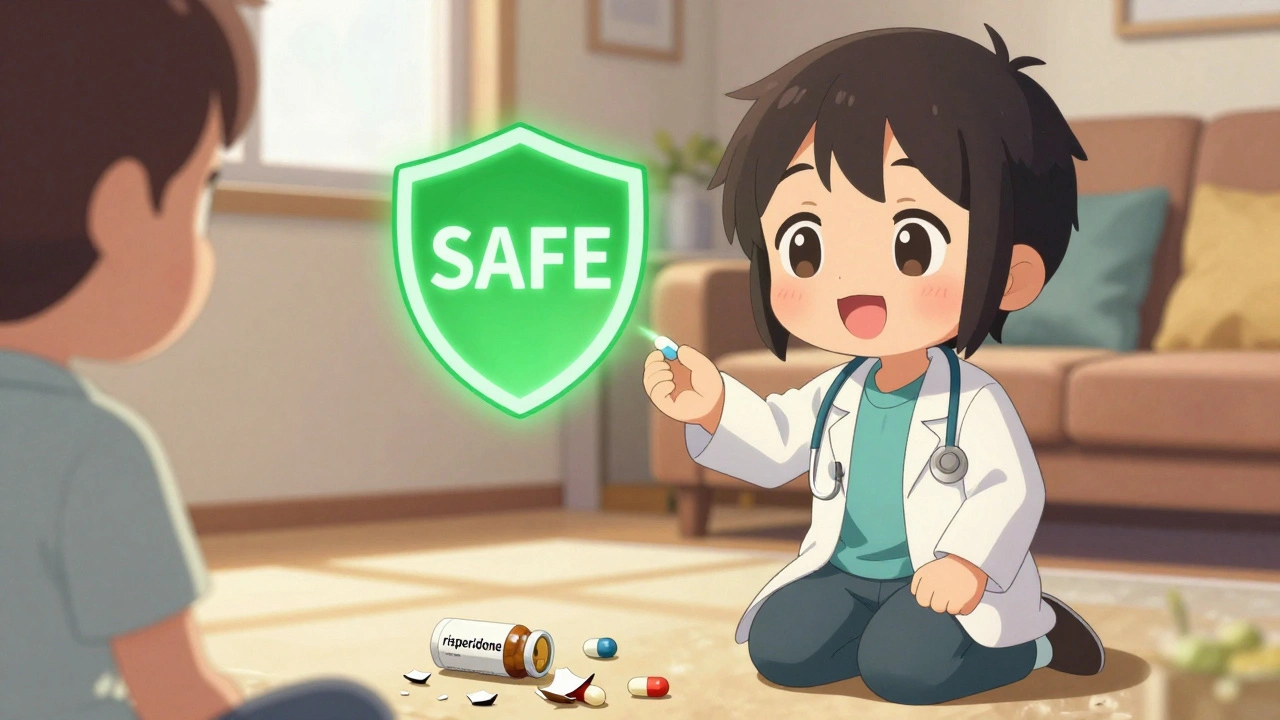
The Game-Changer: Pimavanserin and New Hope
In 2022, a major shift happened. Pimavanserin (Nuplazid) became the first antipsychotic approved for Parkinson’s psychosis that doesn’t block dopamine at all. Instead, it targets serotonin 5-HT2A receptors-the same pathway involved in hallucinations. In its original trial, it improved psychotic symptoms without worsening motor function. That was huge. For the first time, doctors had a tool that could treat psychosis without sacrificing mobility. But then came the bad news. Post-marketing data showed a 1.7-fold increase in death risk. The FDA slapped on a black box warning. Pimavanserin isn’t a miracle-it’s a high-risk option, reserved for patients who’ve failed everything else. Now, a new drug called lumateperone is in late-stage trials. Early results from the HARMONY trial show it improves hallucinations by 3.4 points on the psychosis scale-with no motor decline. Final results are expected in mid-2024. If it holds up, it could become the new standard: effective, safe, and dopamine-friendly.What Comes Before Antipsychotics?
Here’s what most doctors don’t tell you: you don’t always need an antipsychotic at all. The Parkinson’s Foundation’s 2023 guidelines say: before you even think about antipsychotics, go back and clean up the medication list. Many psychosis symptoms are caused by other Parkinson’s drugs-especially dopamine agonists like pramipexole or ropinirole, and anticholinergics like benztropine. Reducing or stopping these can make hallucinations disappear. One 2018 study found that 62% of patients with Parkinson’s psychosis saw their symptoms vanish after adjusting their levodopa and other medications-no antipsychotic needed. That’s more than half. It’s not a last resort. It’s step one. Start by cutting back on dopamine agonists. Then reduce anticholinergics. Adjust levodopa timing. Add amantadine if needed. Only if all that fails-and the hallucinations are causing fear, aggression, or unsafe behavior-do you consider an antipsychotic.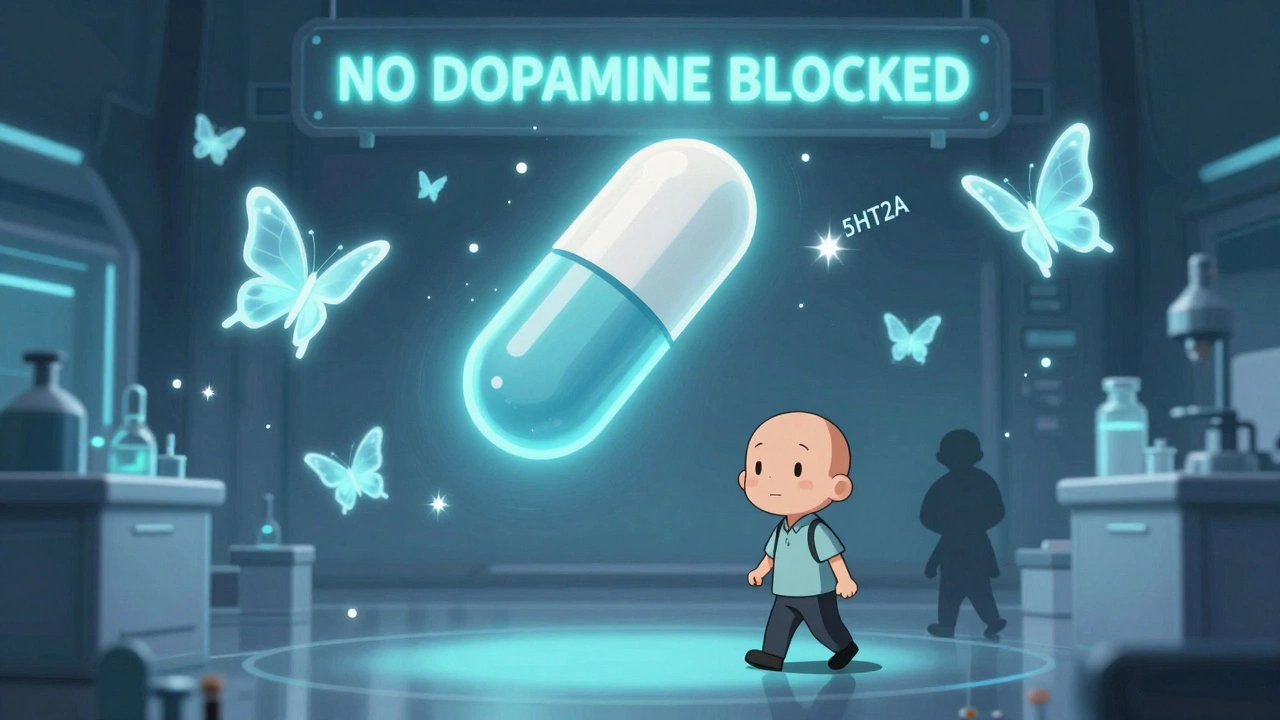
How to Monitor and When to Stop
If you do start clozapine or quetiapine, you can’t just prescribe and forget. You need to watch closely. Motor function must be tracked using the UPDRS-III scale every two weeks during dose titration. A rise of 30% or more from baseline means the drug is hurting movement more than helping the mind. Stop it. No exceptions. Also, watch for sedation. Both clozapine and quetiapine make people drowsy. That’s not just annoying-it increases fall risk. In older adults with Parkinson’s, a fall can mean a broken hip, a hospital stay, and irreversible decline. And never, ever use haloperidol, risperidone, or olanzapine. Not even for a few days. Not even in small doses. The risk isn’t worth it. The damage can be permanent.What Patients and Families Should Know
If you’re caring for someone with Parkinson’s and psychosis:- Don’t assume antipsychotics are the answer. Ask the doctor: “Have we tried adjusting other medications first?”
- If an antipsychotic is suggested, ask: “Is it clozapine or quetiapine? Is it FDA-approved for Parkinson’s?”
- If they say “risperidone” or “haloperidol,” push back. Say: “I’ve read those can make movement worse. Are we sure?”
- Request a UPDRS motor score before and after starting any antipsychotic.
- Know the signs of agranulocytosis with clozapine: fever, sore throat, fatigue. Go to the ER immediately if they appear.
The Bottom Line
Treating psychosis in Parkinson’s isn’t about choosing the strongest drug. It’s about choosing the least harmful one. The goal isn’t to eliminate every hallucination-it’s to keep the person safe, mobile, and able to live at home with dignity. The safest path is clear: fix the other meds first. Then, if needed, use clozapine or quetiapine at the lowest possible dose. Avoid all others. Watch closely. And never forget: the best antipsychotic for Parkinson’s disease is the one that doesn’t exist yet.Can antipsychotics cause permanent worsening of Parkinson’s motor symptoms?
In most cases, motor worsening from antipsychotics reverses once the drug is stopped-especially if caught early. But in some patients, particularly older adults or those with advanced disease, the damage can linger. Prolonged use of high-risk antipsychotics like haloperidol can lead to persistent parkinsonism that doesn’t fully respond to levodopa. This is why prevention is critical: avoid dangerous drugs before they cause irreversible harm.
Why is clozapine not used more often if it’s the safest option?
Clozapine requires weekly blood tests for the first six months to monitor for agranulocytosis, a rare but life-threatening drop in white blood cells. Many clinics don’t have the infrastructure to manage this, and some doctors are afraid of the risk. Also, it takes 4-6 weeks to work, which feels slow when families are desperate. But for patients who can tolerate the monitoring, it remains the most effective and safest antipsychotic for Parkinson’s psychosis.
Is quetiapine really effective, or is it just a placebo?
The evidence is mixed. Some studies show quetiapine works better than placebo; others show no difference. But what’s consistent is that it doesn’t worsen movement-unlike risperidone or haloperidol. For many patients, even a small reduction in hallucinations improves quality of life. Because it’s safe, low-cost, and easy to use, many neurologists still prescribe it as a first-line option while waiting for better alternatives.
Can non-medication approaches help with Parkinson’s psychosis?
Yes. Environmental changes can make a big difference. Reducing clutter, improving lighting, and minimizing noise can reduce visual misperceptions. Reassurance from caregivers-telling the person gently, “I don’t see that person, but I’m here with you”-can reduce fear and agitation. Sleep deprivation and urinary tract infections can trigger or worsen hallucinations, so treating those first often helps. Cognitive behavioral therapy for psychosis (CBTp) is also being studied and shows promise in early trials.
What should I do if my loved one is already on a dangerous antipsychotic like haloperidol?
Don’t stop it cold turkey. That can cause dangerous withdrawal or rebound psychosis. Contact their neurologist immediately. Ask for a plan to slowly taper the drug while introducing a safer alternative like quetiapine or clozapine. Monitor motor function closely during the switch. If they’re becoming more rigid, slower, or unable to speak, that’s a red flag-get help right away.
11 Comments
Shayne Smith
My grandma had Parkinson’s and started seeing her dead husband. We were terrified. The doctor wanted to give her Haldol. I read this post and stopped it. We switched to quetiapine-no motor crash, and she slept better. This saved her life.
Karen Mitchell
It is, without question, a profound ethical failure of modern neurology that clinicians continue to prescribe dopamine antagonists to patients suffering from Parkinsonian psychosis, despite overwhelming, decades-old evidence of iatrogenic harm. The persistence of this practice reflects a systemic disregard for neuropharmacological nuance, and a troubling deference to pharmaceutical marketing over clinical wisdom.
Andrew Frazier
lol why are you guys so scared of haloperidol? I worked in psych and we gave it to schizophrenics daily. Parkinson’s patients? Just give em more levodopa. Problem solved. Stop overthinking it. Also pimavanserin is just a fancy placebo with a black box warning because the FDA hates innovation.
Nava Jothy
My cousin’s neurologist prescribed risperidone… she went from walking to wheelchair in 11 days. I cried for weeks. I screamed at the doctor. He said ‘it’s just side effects.’ SIDE EFFECTS?! That’s not a side effect-that’s a crime. 😭
Ibrahim Yakubu
Y’all in the West think you’re so advanced, but in Nigeria, we don’t even have clozapine. We use haloperidol because it’s cheap. If your loved one dies from motor decline, at least they didn’t die from starvation. You’re lucky you have options. Stop complaining.
pallavi khushwani
It’s funny how we treat psychosis like it’s the enemy. But what if the hallucinations aren’t the problem? What if they’re the brain’s last attempt to make sense of a world that’s falling apart? Maybe we should listen… not just suppress.
Akash Takyar
As a neurologist practicing in Mumbai, I can confirm: 70% of Parkinson’s psychosis cases resolve after discontinuing dopamine agonists. We rarely use antipsychotics. When we do, it’s quetiapine-12.5 mg, nightly. Blood tests? Only if the patient is over 75 and on multiple meds. The key is patience, not potency. And always, always reassess before escalating.
Katie O'Connell
While the clinical data presented is methodologically sound and aligned with current movement disorder society guidelines, one must acknowledge the significant confounding variable of caregiver bias in outcome reporting. The reliance on UPDRS-III as a primary endpoint is statistically robust, yet fails to account for the subjective phenomenology of psychosis, which may be more accurately assessed via qualitative narrative analysis.
olive ashley
Did you know the FDA approved pimavanserin because a pharma exec’s wife had Parkinson’s? That’s not science-that’s a personal connection. And now everyone’s scared to use it. Meanwhile, the real danger? Big Pharma’s pushing these drugs because they’re $10k/month. Not because they help.
Mansi Bansal
Let us not forget that the human soul is not a pharmacological equation. To reduce psychosis to receptor occupancy rates is to deny the sacred mystery of perception. When a widow sees her husband, is it pathology-or is it love, refusing to be silenced by dopamine deficits? We must treat the spirit, not just the synapse.
Geraldine Trainer-Cooper
clozapine is the only real option. everything else is just playing russian roulette with someone’s ability to walk. i’ve seen it. you don’t need a phd to get it. just care.