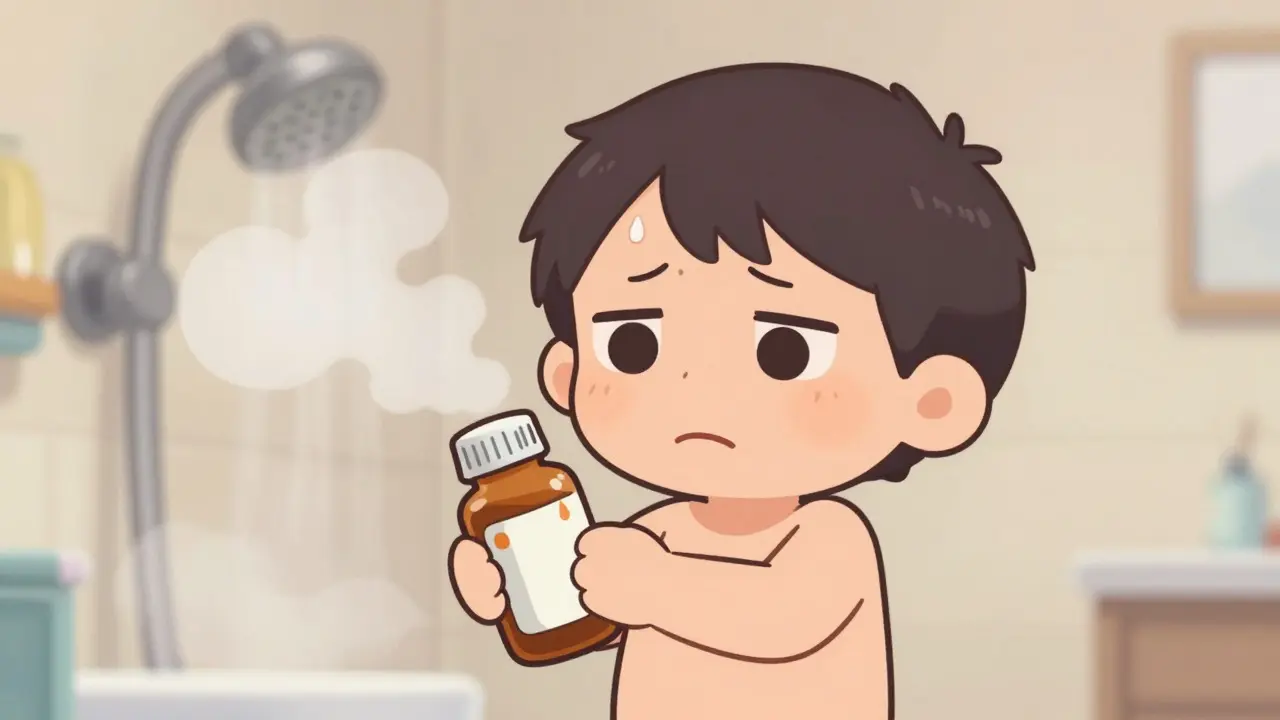
You throw away a bottle of pills because the date says it’s bad. But was it really bad? Or did you just keep it in the wrong place? Most people assume that if a medicine is past its printed date, it’s useless or dangerous. The truth is often more frustrating: many medicines expire early not because time ran out, but because heat, light, and humidity destroyed them long before the clock struck midnight on their label.
Every year, billions of dollars worth of medication go to waste because we store it like junk food in a pantry or toiletries in a bathroom cabinet. If you want your prescriptions to actually work when you need them, you have to treat them like perishable goods. This guide breaks down exactly how to keep your meds stable, potent, and safe until they truly reach their end-of-life.
The Science Behind Why Meds Go Bad
To stop early expiration, you first need to understand what causes it. Medication isn’t static; it’s a chemical compound that reacts to its environment. When manufacturers set an expiration date, they are guaranteeing that the drug will retain between 90% and 110% of its labeled potency up to that day-but only if stored under specific conditions.
If those conditions change, the clock speeds up. Heat accelerates chemical breakdown. Moisture causes tablets to crumble and liquids to breed bacteria. Light can degrade sensitive compounds instantly. According to data from the Centers for Disease Control and Prevention (CDC), improper storage accounts for over a third of premature medication failures in homes. Humidity alone is the culprit in nearly 70% of these cases. So, checking the date on the bottle is only half the battle. The other half is controlling the environment inside your home.
The Bathroom Cabinet Myth
Here is the biggest mistake most households make: storing medicine in the bathroom. It feels logical because you take pills there in the morning. But chemically, it’s a disaster zone.
When you shower, the temperature spikes, and humidity levels can jump to 85-95%. This creates a sauna effect for your drugs. A study from UCHealth found that this kind of moisture exposure can speed up the breakdown of aspirin by 300%. That means a bottle of aspirin meant to last two years might lose its effectiveness in six months if it sits next to the sink. The same goes for antibiotics and other solid dosage forms. The steam doesn’t just make the air damp; it penetrates plastic bottles and compromises the integrity of the pills inside.
Kitchens are equally risky, especially near the stove or dishwasher. Temperature fluctuations here can exceed 15°C within 30 minutes of cooking. Research from Swedish Medical Center showed that 42% of common antibiotics degraded significantly within 90 days when stored near heat sources. Your goal is consistency. You want a spot that stays cool and dry, regardless of whether you’re taking a hot bath or boiling pasta.
Where to Actually Keep Your Meds
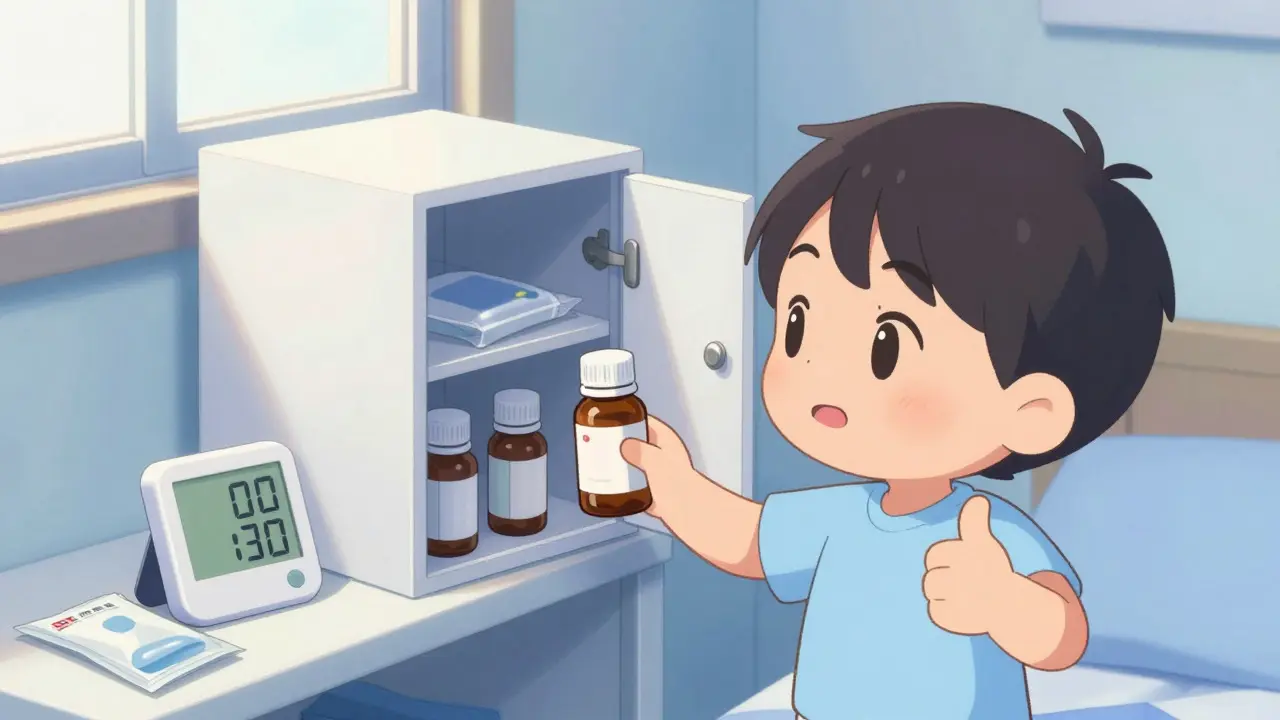
If the bathroom and kitchen are out, where do you put them? The best place is a dedicated, locked cabinet in a bedroom or hallway-somewhere with minimal foot traffic and no direct sunlight. Ideally, the temperature should stay between 20-25°C (68-77°F) with relative humidity below 60%.
- Avoid drawers: While better than bathrooms, dresser drawers can still trap heat and moisture. If you must use them, ensure the room itself is climate-controlled.
- Use a hygrometer: For serious health management, buy a cheap digital hygrometer (a device that measures humidity). Place it in your storage area. If it reads above 60%, you need to intervene.
- Centralize storage: Keeping all meds in one secure location makes it easier to monitor conditions and check dates regularly. Scattering pills across nightstands and purses leads to forgotten, degraded doses.
For those living in areas without central air conditioning, consider using silica gel packets. These little desiccant bags found in shoe boxes are excellent at absorbing excess moisture. Toss a few into your medicine cabinet (away from children) to help maintain lower humidity levels. Some pharmaceutical trials are even testing prescription bottles integrated with silica gel to combat this exact issue.
Special Handling for Liquids and Insulin
Solid tablets and capsules are relatively hardy, but liquid medications and biologics like insulin are far more fragile. They require precise temperature control.
Liquids, including eye drops and suspensions, must often be refrigerated between 2-8°C (36-46°F). However, don’t just toss them in any part of the fridge. The door experiences the most temperature fluctuation every time you open it. Store these items in the center of the refrigerator shelf, where the temperature remains steady. Also, note that once opened, many liquid medications have a shorter lifespan than the printed expiration date. Always check the label for "discard after X days" instructions.
Insulin is another critical example. Unopened vials must be kept in the fridge. Once you start using a vial, it can typically stay at room temperature for up to 28 days. But if you leave it in a hot car or a sunny window, it loses potency quickly. Newer formulations, such as Merck’s heat-stable insulin approved in late 2023, offer more flexibility, but traditional insulins remain sensitive. Never freeze insulin, as ice crystals destroy the protein structure, rendering it useless.
| Medication Type | Ideal Temperature | Humidity Limit | Key Risk Factor |
|---|---|---|---|
| Tablets/Capsules | 20-25°C (68-77°F) | <60% | Bathroom humidity |
| Liquid Antibiotics | 2-8°C (36-46°F) or Room Temp | <60% | Temperature swings |
| Insulin (Unopened) | 2-8°C (36-46°F) | N/A | Freezing or Heat |
| Nitroglycerin | Room Temp | <60% | Light Exposure |
Protecting Against Light and Air
Light is a silent destroyer. Many drugs are photosensitive, meaning UV rays break down their molecular structure. This is why pharmacies dispense medications in amber-colored bottles. These dark containers block about 97% of UV light, whereas clear plastic offers almost no protection.
Never transfer pills from their original manufacturer container to a generic pill organizer unless you plan to use them within a week. Pill organizers expose meds to air and light constantly. For daily use, fill your weekly organizer only with what you need for those seven days. Keep the main supply sealed in its original, opaque bottle.
Air exposure also matters. Every time you open a bottle, fresh air enters, bringing moisture and oxygen. Tighten the cap immediately after use. If a bottle has a child-proof lock, engage it fully. This isn’t just for safety; it helps maintain the seal against humidity ingress.
Signs Your Medicine Has Gone Bad
Even with perfect storage, some meds degrade faster than others. How do you know if yours has failed? Look for these physical warning signs:
- Vinegar smell: Aspirin that smells like vinegar has broken down into acetic acid. Throw it out.
- Discoloration: If a tablet looks darker or lighter than when you bought it, the chemical composition has likely shifted.
- Texture changes: Tablets that are crumbling, cracked, or sticky have absorbed too much moisture.
- Cloudiness or particles: Liquid medications should be uniform. If you see floating bits or cloudiness, bacteria may be growing. Eye drops are particularly prone to contamination with Pseudomonas aeruginosa after expiration, which can cause serious eye infections.
If you notice any of these signs, discard the medication immediately. Don’t risk taking a dose that might be ineffective or harmful.
Organizing to Avoid Waste
Preventing early expiration isn’t just about climate control; it’s also about organization. One effective method used by healthcare institutions is color-coding. Use colored dot stickers on your bottles: red for medications expiring this year, blue for next year, and green for those good for two years or more. This visual cue helps you prioritize which meds to use first.
Assign one person in the household to conduct a monthly "medication audit." Check dates, look for degradation signs, and clean out anything suspicious. This simple habit prevents the shock of finding a pile of expired drugs during an emergency. It also ensures you aren’t buying duplicates of meds you already have but forgot about.
Safe Disposal of Expired Drugs
Once a medication expires-or shows signs of spoilage-you need to get rid of it safely. Flushing pills down the toilet is a common practice, but it pollutes water supplies and harms wildlife. Only flush medications if the label specifically instructs you to do so (usually highly addictive opioids).
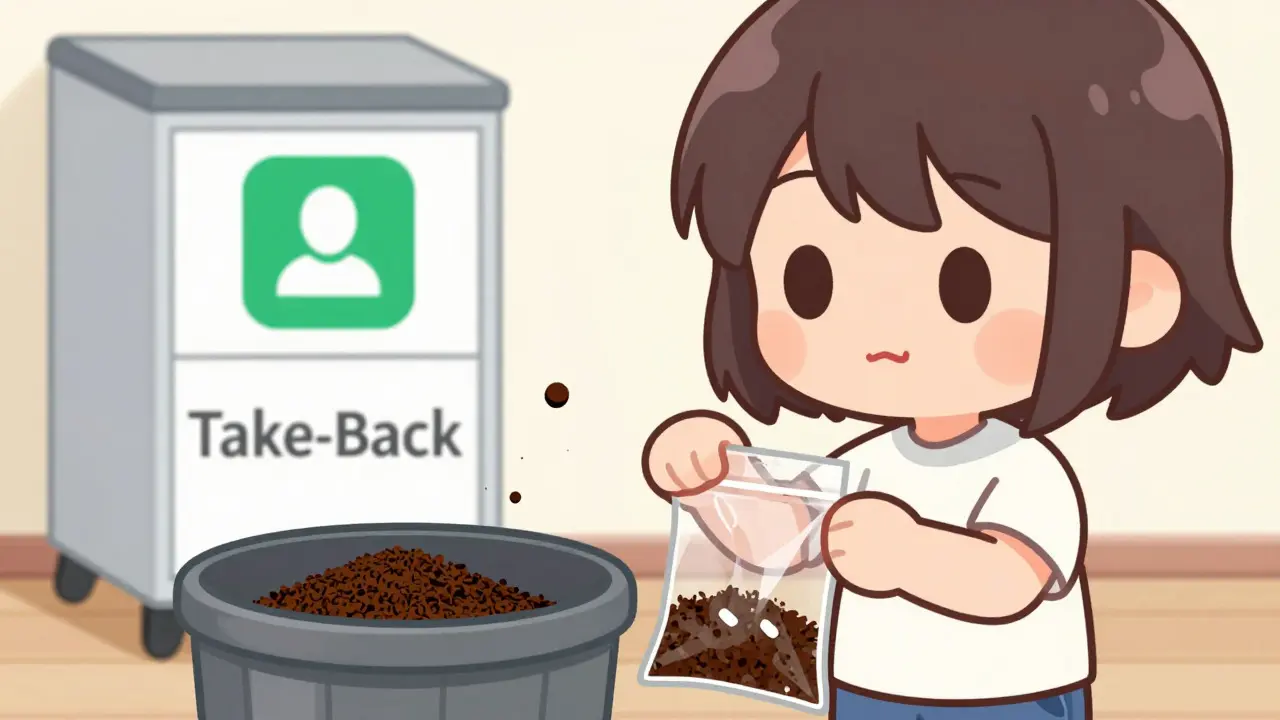
The best option is to use a drug take-back program. In the United States, the DEA hosts National Prescription Drug Take Back Days twice a year, with thousands of collection sites nationwide. Outside of those events, many local pharmacies and police stations have permanent drop-off kiosks. If no take-back site is available, mix the pills with an unappealing substance like dirt, cat litter, or used coffee grounds in a sealed plastic bag, then throw them in the trash. Remove or scratch out personal information from the prescription label before disposing of the bottle.
Can I take medication one month after the expiration date?
It depends on the drug and how it was stored. Solid tablets stored in ideal conditions may retain potency slightly past the date, but there is no guarantee. Liquid medications and biologics like insulin degrade faster and should be discarded strictly on the expiration date. When in doubt, consult your pharmacist.
Is it safe to store medicine in the freezer?
Generally, no. Freezing can damage the chemical structure of many drugs, especially liquids and injectables like insulin. Unless the label explicitly says "freeze," keep meds in the refrigerator or at room temperature. Ice crystals can ruin the efficacy of the medication.
Why shouldn't I keep meds in my car's glove compartment?
Cars experience extreme temperature swings. In summer, a parked car can reach temperatures over 60°C (140°F), melting capsules and breaking down active ingredients. In winter, freezing temps can alter liquid formulations. Cars are one of the worst places to store any medication.
Do smart pillboxes help with storage?
Yes, advanced models like the MedMinder Pro include sensors that monitor temperature and humidity. They alert you if conditions become unfavorable for your meds. However, they are expensive and still require you to keep the device in a generally stable environment.
How do I dispose of eye drops safely?
Eye drops should be discarded shortly after opening (often within 28 days) due to contamination risks. Pour the remaining liquid down the drain if possible, rinse the bottle, and recycle or trash the container. Do not reuse old eye drops as they can harbor bacteria that cause eye infections.