Price Pages - Page 4

Physical Therapy for Joint Disorders: Range of Motion and Strengthening Protocols
Physical therapy for joint disorders uses targeted range of motion and strengthening exercises to reduce pain, improve mobility, and delay or avoid surgery. Evidence shows it's as effective as surgery for mild-to-moderate osteoarthritis and saves thousands per patient annually.

How to Request Translator Services for Medication Counseling
You have a legal right to a professional interpreter when getting medication counseling. Learn how to request one, what services are available, and why using family members or untrained staff can be dangerous.

Liquid Antibiotics and Reconstituted Suspensions: Why They Expire So Fast
Liquid antibiotics expire quickly because the active ingredients break down in water. Learn why amoxicillin lasts 14 days but amoxicillin/clavulanate only 10, how storage affects potency, and what happens if you use expired doses.
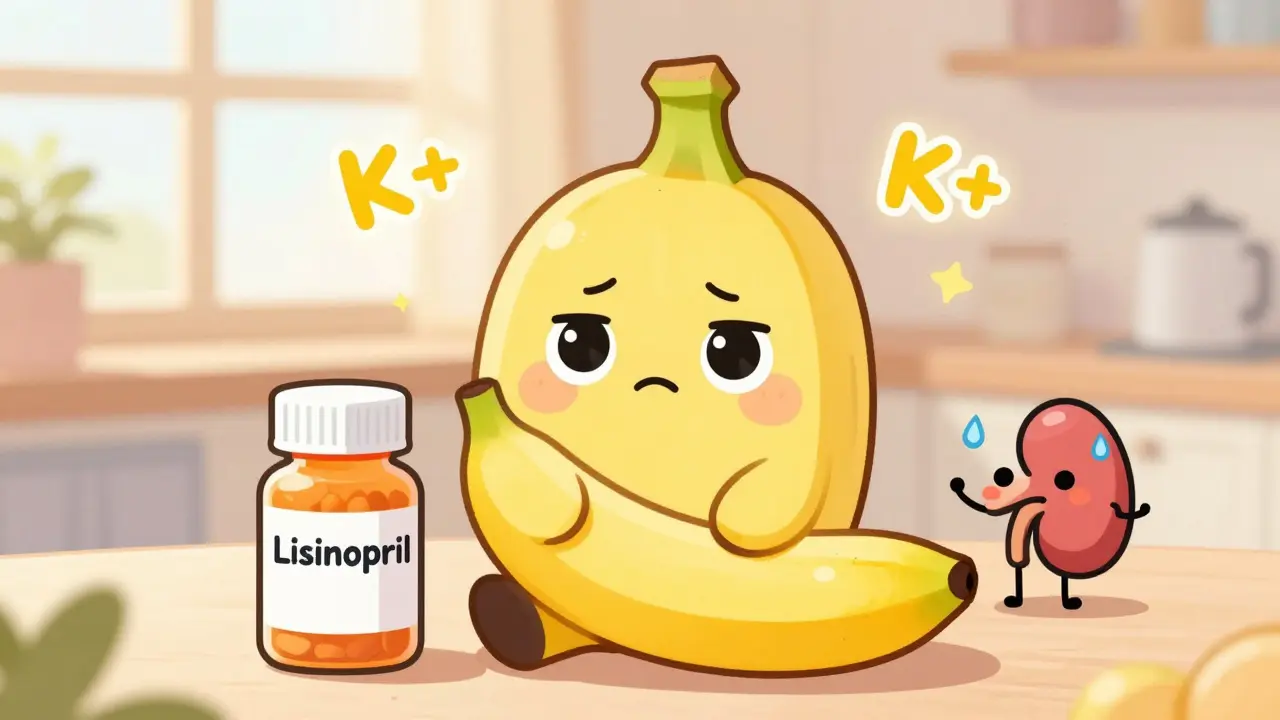
High-Potassium Foods and Blood Pressure Medications: What You Need to Know
High-potassium foods can help lower blood pressure, but they may interact dangerously with common medications like ACE inhibitors and spironolactone. Learn which foods to watch, how to stay safe, and what tests you need.
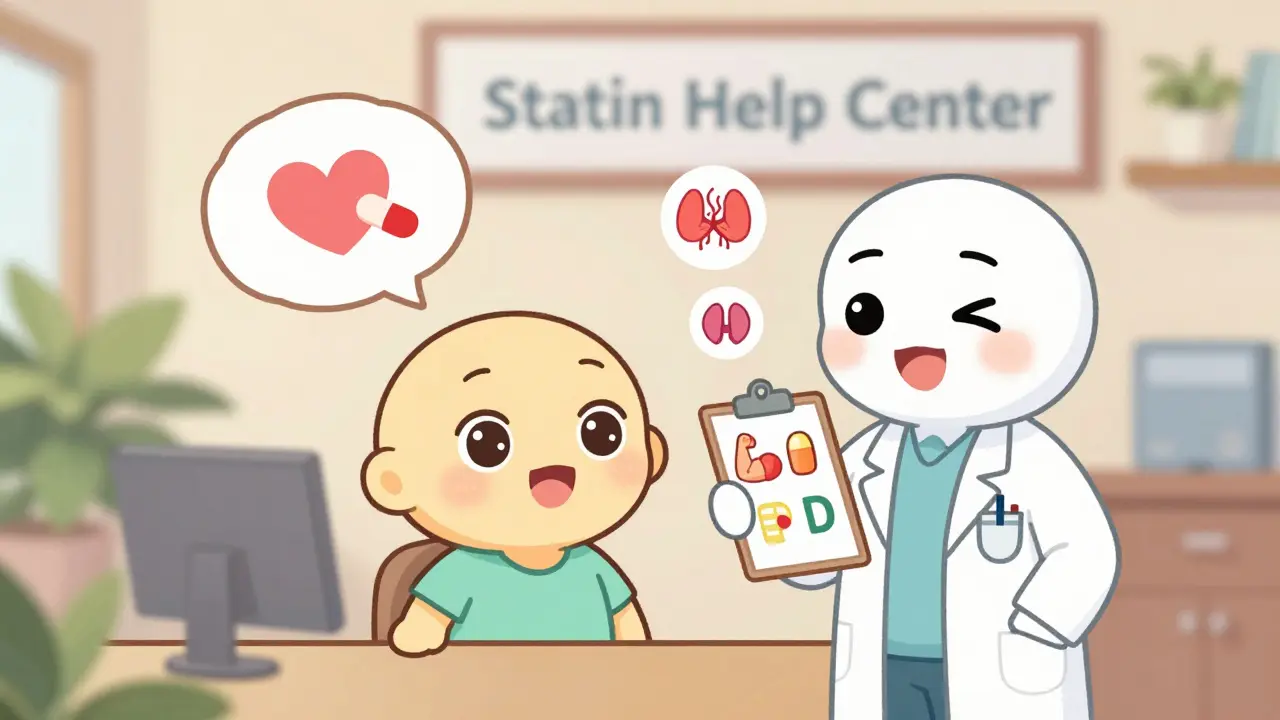
Managing Statin Side Effects: Dose Adjustment and Switching Strategies That Work
Statin side effects like muscle pain are common, but quitting isn't your only option. Learn how dose adjustments, switching statins, and checking for other causes can help you stay on therapy and protect your heart.
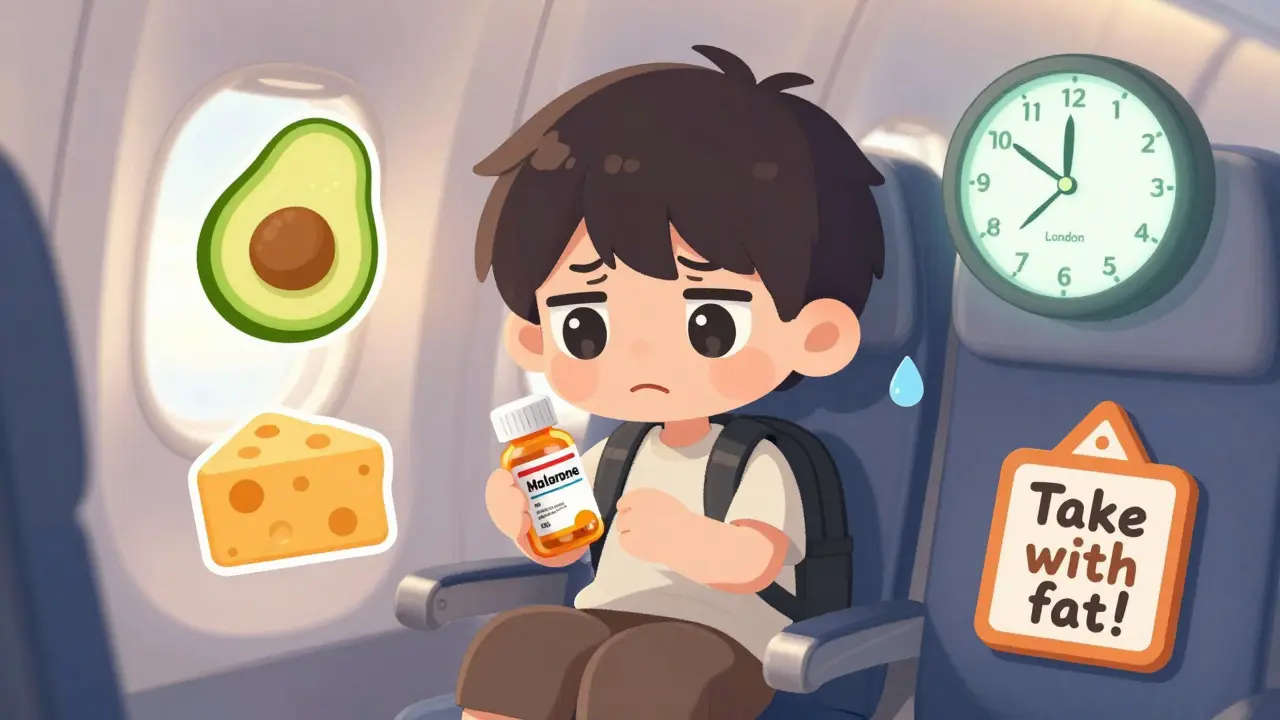
How to Time Antibiotics and Antimalarials Across Time Zones: A Practical Guide for Travelers
Learn how to time antimalarials and HIV meds across time zones to avoid treatment failure, drug resistance, or malaria infection. Practical tips, dosing schedules, and tools to stay protected while traveling.

Asthma Steroid Side Effects: How to Reduce Risks and Stay Safe
Learn how to safely use asthma steroid inhalers, reduce side effects like thrush and adrenal suppression, and monitor for long-term risks. Practical steps backed by clinical evidence.

ACE Inhibitor Angioedema: How to Spot Swelling from This Common Blood Pressure Drug
ACE inhibitor angioedema is a dangerous, non-allergic swelling caused by blood pressure drugs. Learn how to spot it, why standard treatments don’t work, and what to do if you’re at risk.
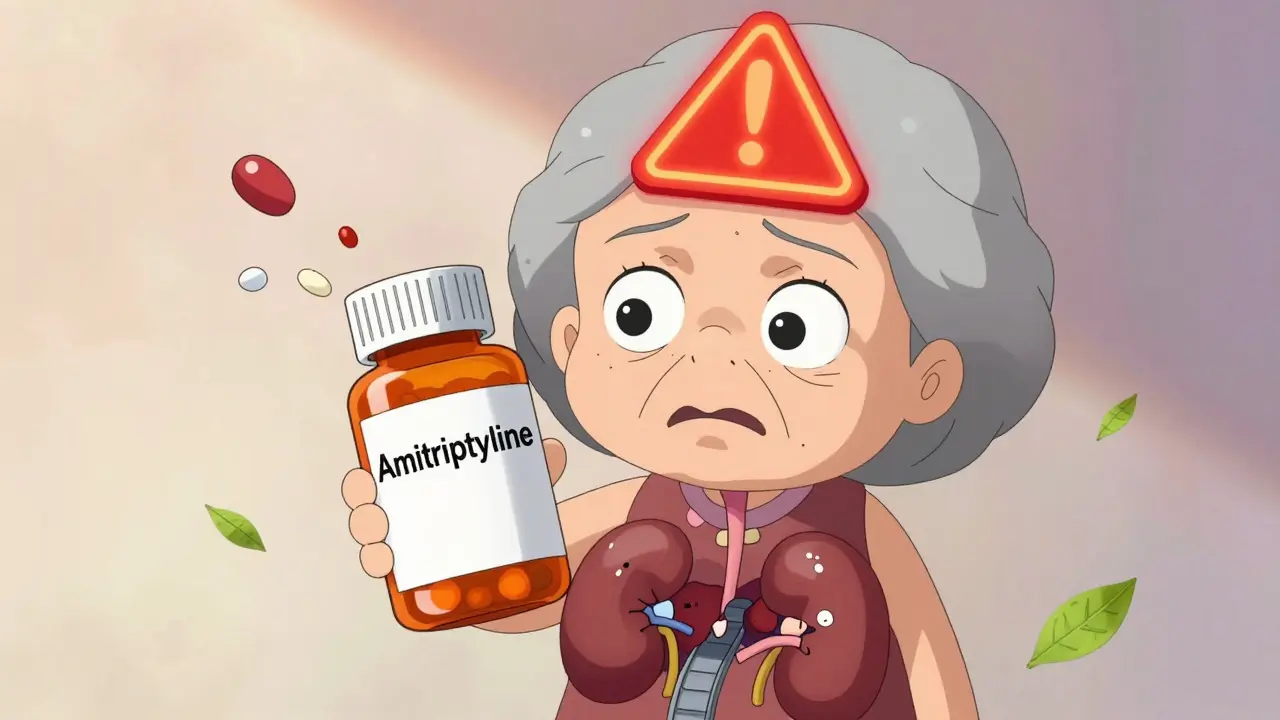
How Liver and Kidney Changes in Older Adults Affect Drug Metabolism and Medication Safety
As we age, liver and kidney changes alter how drugs are processed, increasing the risk of side effects and hospitalizations. Learn how aging affects medication safety and what steps to take to protect yourself or a loved one.
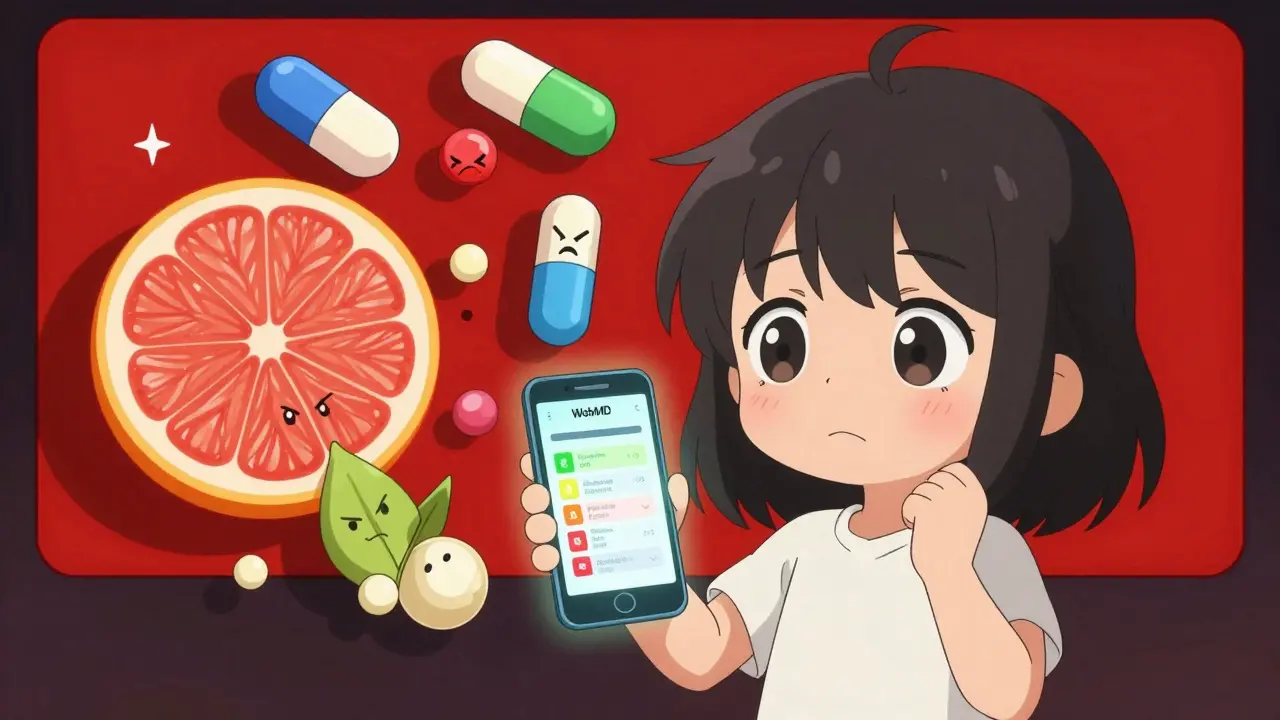
Drug Interactions Databases: Using FDA and WebMD Checkers Safely
Learn how to safely use WebMD and other drug interaction checkers, understand what the FDA really does, and avoid dangerous medication mistakes with expert-backed tips and real-world examples.

Cost Savings from Generic Combinations: How Choosing the Right Generic Can Cut Your Drug Bill by 90%
Generic drugs can save you hundreds of dollars-but not all generics are cheap. Learn how choosing the right combination or alternative generic can cut your drug costs by up to 90% with real data and practical steps.

First-Episode Psychosis: Why Early Intervention and Family Support Save Lives
First-episode psychosis is treatable-if caught early. Learn how coordinated specialty care and family support can restore lives, reduce relapse, and help people return to school, work, and normal life.