Healthcare Hub – Prices, Safety, and Treatment Guides
When it comes to your health, the right information saves money and avoids headaches. Whether you’re hunting for the cheapest amoxicillin, wondering how a drug like tamoxifen works, or looking for tricks to stretch a prescription coupon, you’ll find practical advice right here.
How to Save on Prescription Costs
First off, don’t assume the price you see at the pharmacy is the final word. Tools like GoodRx, BuzzRx, and price‑comparison sites pull real‑time data from hundreds of chains, often revealing savings of 30‑50 % on common generics. Check at least two sources before you buy – a quick search can turn a £20 prescription into a £10 one.
If you have a chronic condition, ask your doctor about bulk prescriptions or 90‑day supplies. Many insurers treat a larger fill as a single claim, which lowers the per‑tablet price. Also, keep an eye on the UK’s NHS price lists; they update yearly, and a drug that was pricey last year may have dropped.
When you’re ready to buy online, focus on legitimate pharmacies that require a prescription. Sites that let you skip the prescription usually charge more and risk counterfeit pills, especially with popular drugs like Udenafil or Clomid. Look for a physical address, a registered pharmacist’s contact, and clear privacy policies.
Staying Safe When Buying Meds Online
Online pharmacies can be a lifesaver, but they need a bit of vetting. Start by checking the pharmacy’s licensure – in the UK, a valid GPHC or MHRA registration is a must. If a site flashes a “no prescription needed” badge, treat it as a red flag.
Read reviews from real users who have purchased the same medication. Forums often expose scams early, like sites that sell fake steroids or counterfeit pain relievers. If a deal sounds too good to be true – especially for high‑risk drugs like thioridazine or prednisolone – walk away.
Once you place an order, inspect the packaging carefully. Authentic meds have batch numbers, expiry dates, and tamper‑evident seals. If anything looks off, contact the pharmacy immediately and consider reporting the incident to the regulatory authority.
Beyond buying tips, the hub also covers disease‑specific information. For example, asthma can trigger night sweats by raising cortisol levels, while long‑term prednisolone use may thin bones and alter metabolism. Knowing these side effects helps you ask the right questions at your next doctor’s visit.
In short, staying informed is your best defense. Use price‑checking tools, verify online pharmacies, and understand the risks of each medication. Armed with these habits, you’ll keep more money in your pocket and your health on track.
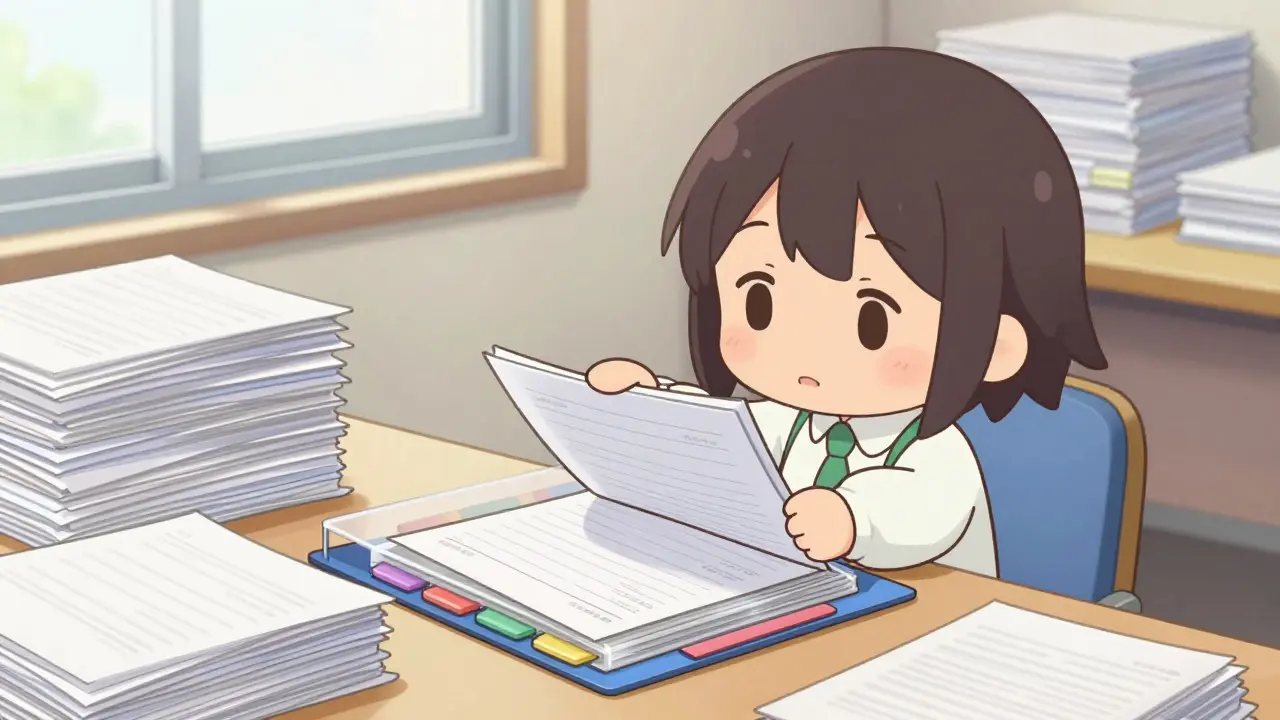
How to Store Prescription Labels and Leaflets for Future Reference
Learn how to safely store prescription labels and medication leaflets to ensure accurate health records. This guide covers physical and digital storage methods, privacy tips, and emergency preparation.
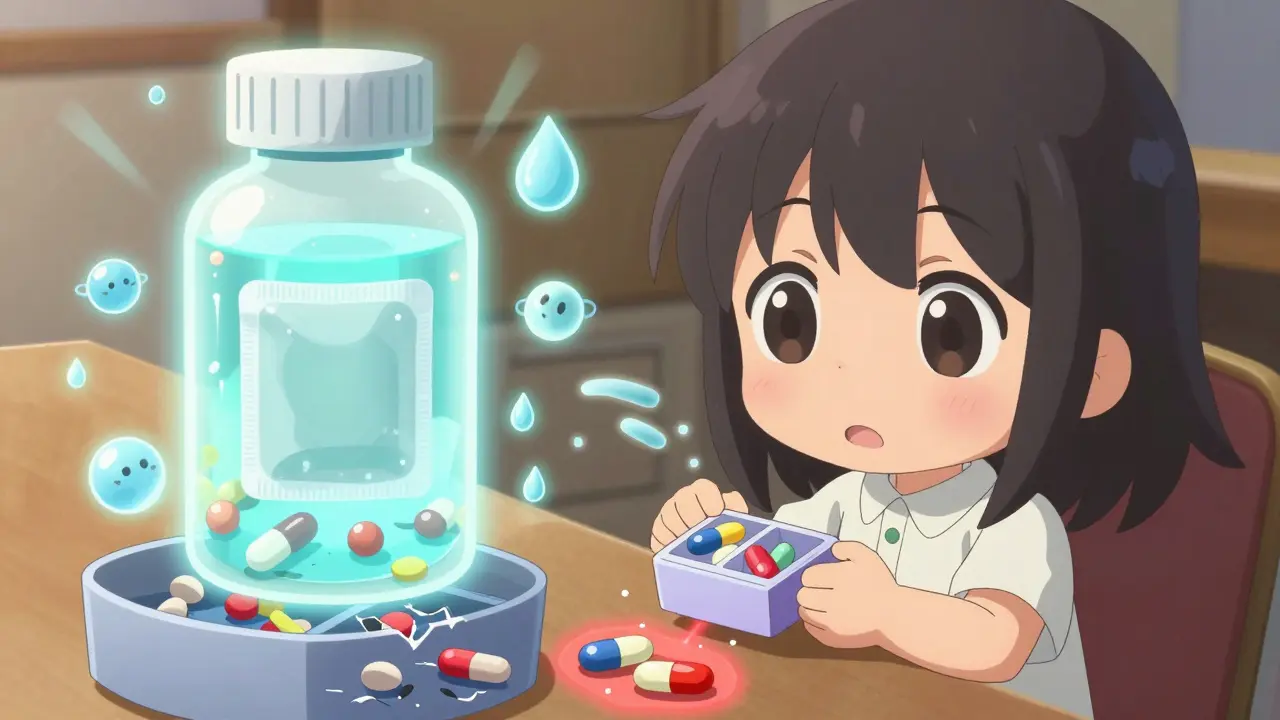
How to Evaluate Stability of Repackaged or Pillbox Medications
Repackaged and pillbox medications degrade faster than those in original containers due to exposure to moisture, light, and oxygen. Learn how to assess stability, set safe expiration dates, and protect your medication's effectiveness.
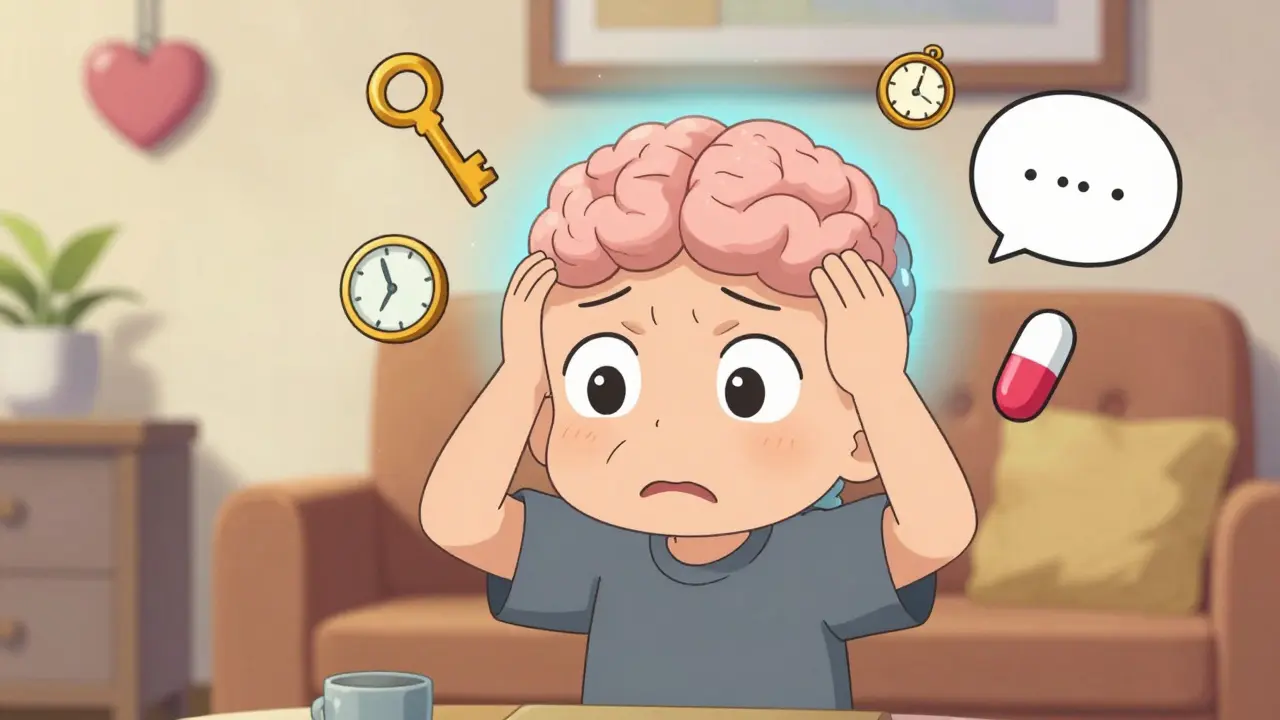
Statins and Memory Loss: What You Need to Know About Cognitive Side Effects
Statins can cause temporary memory issues in some people, but the risk is low and often reversible. Learn how to tell if it's the statin, what to do about it, and why the heart benefits still outweigh the risks.

Antibiotics Compatible with Breastfeeding: A Practical Guide for New Moms
Learn which antibiotics are safe to take while breastfeeding, which ones to avoid, and how to protect your baby without stopping nursing. Evidence-based guide for new moms.
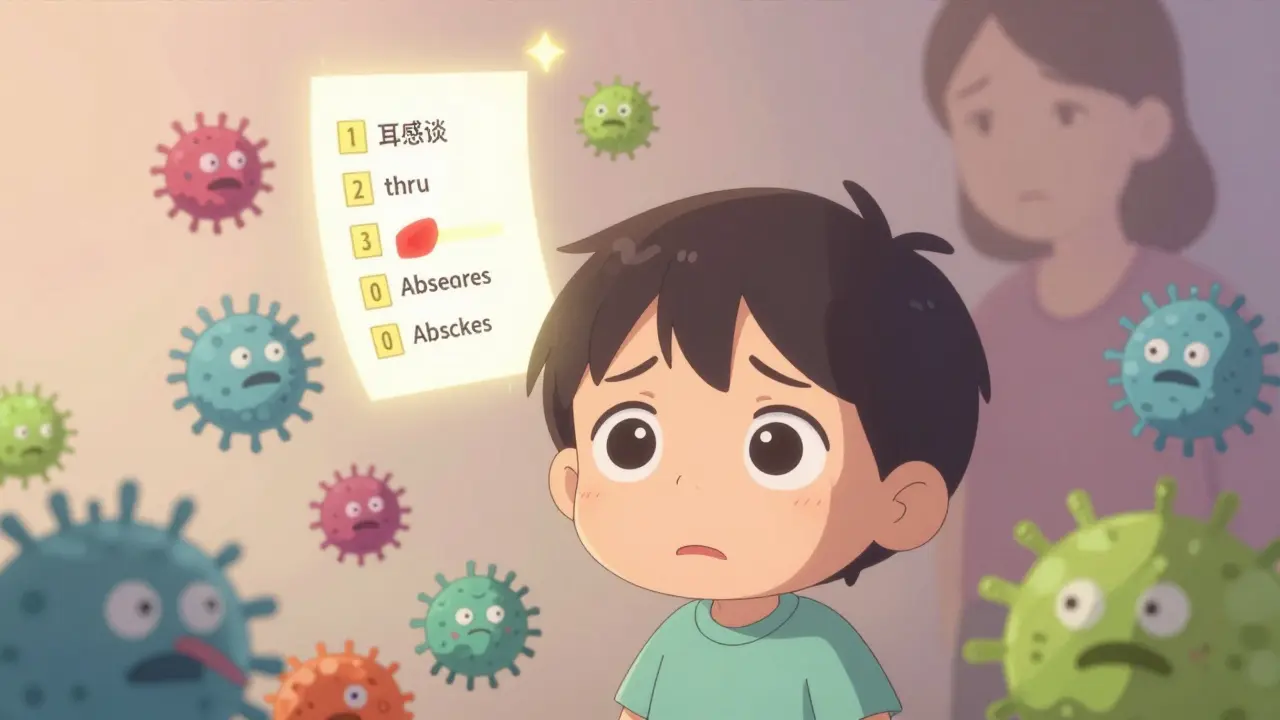
Immunodeficiency Red Flags: Recurrent Infections and Workup
Recurrent infections can signal a hidden immune disorder. Learn the red flags, lab tests, and diagnostic steps to catch primary immunodeficiency early - before irreversible damage occurs.
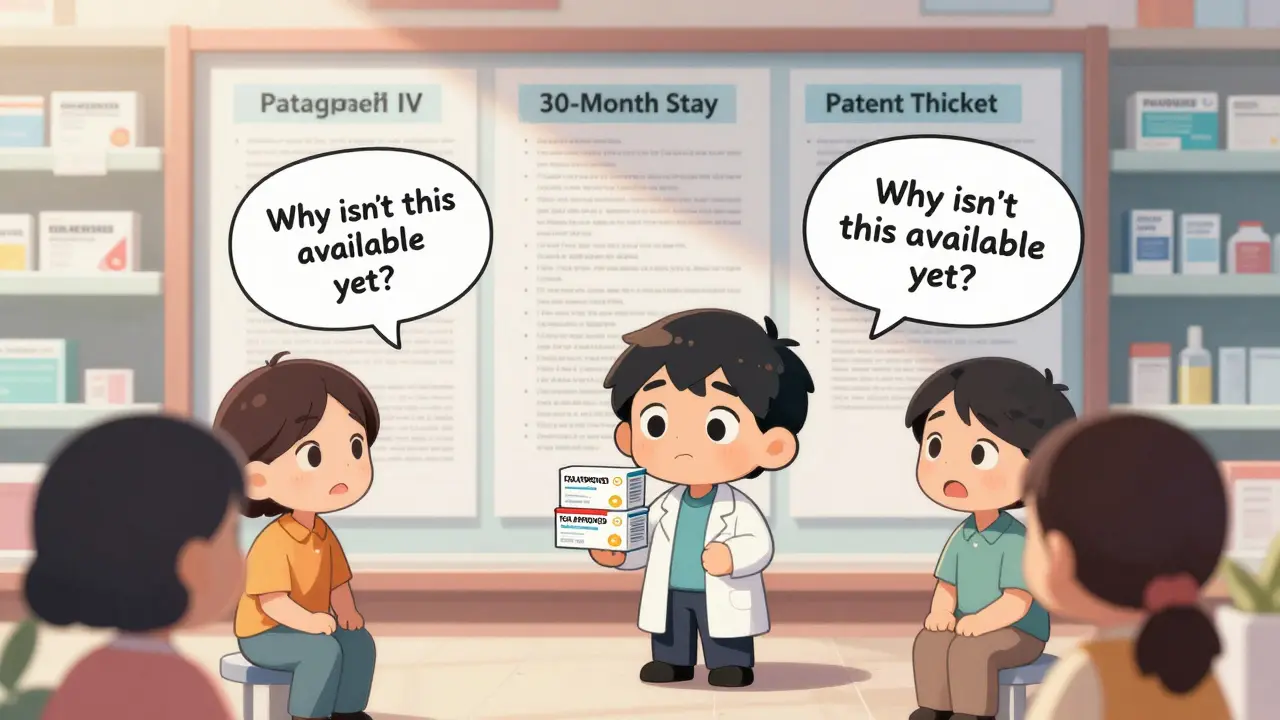
Recent Patent Cases and Generic Delays: 2023-2025 Examples
Despite FDA approval, many generic drugs face multi-year delays due to patent litigation. Between 2023 and 2025, patent thickets extended monopolies by an average of 3.7 years, costing patients billions and creating widespread drug shortages.
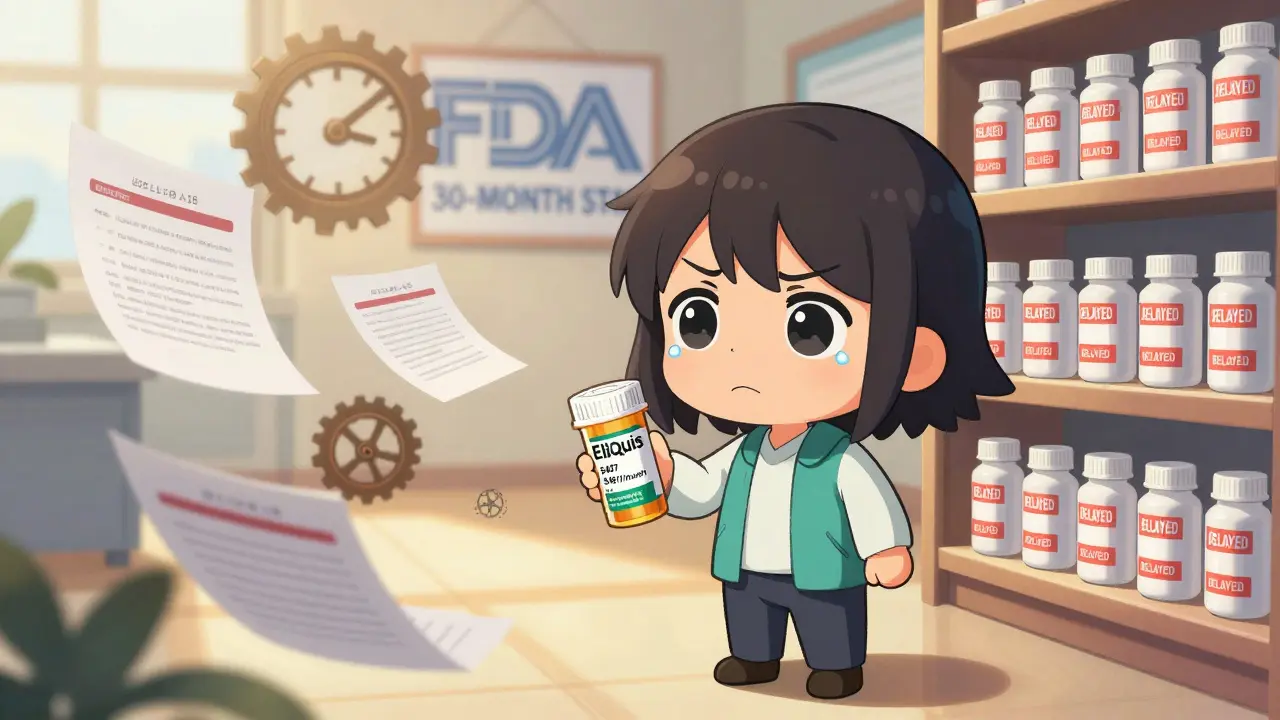
Recent Patent Cases and Generic Delays: 2023-2025 Examples
Between 2023 and 2025, FDA-approved generic drugs faced average delays of 3.2 years before reaching patients due to patent litigation. This article breaks down how brand companies use patent thickets to block competition - and who pays the price.

FDA Safety Alerts: What You Need to Know About Generic Drug Warnings
The FDA issues safety alerts for drugs, but generic manufacturers can't update warning labels on their own. Patients taking generics may not know about new risks. Here's how the system works - and what you can do to stay safe.
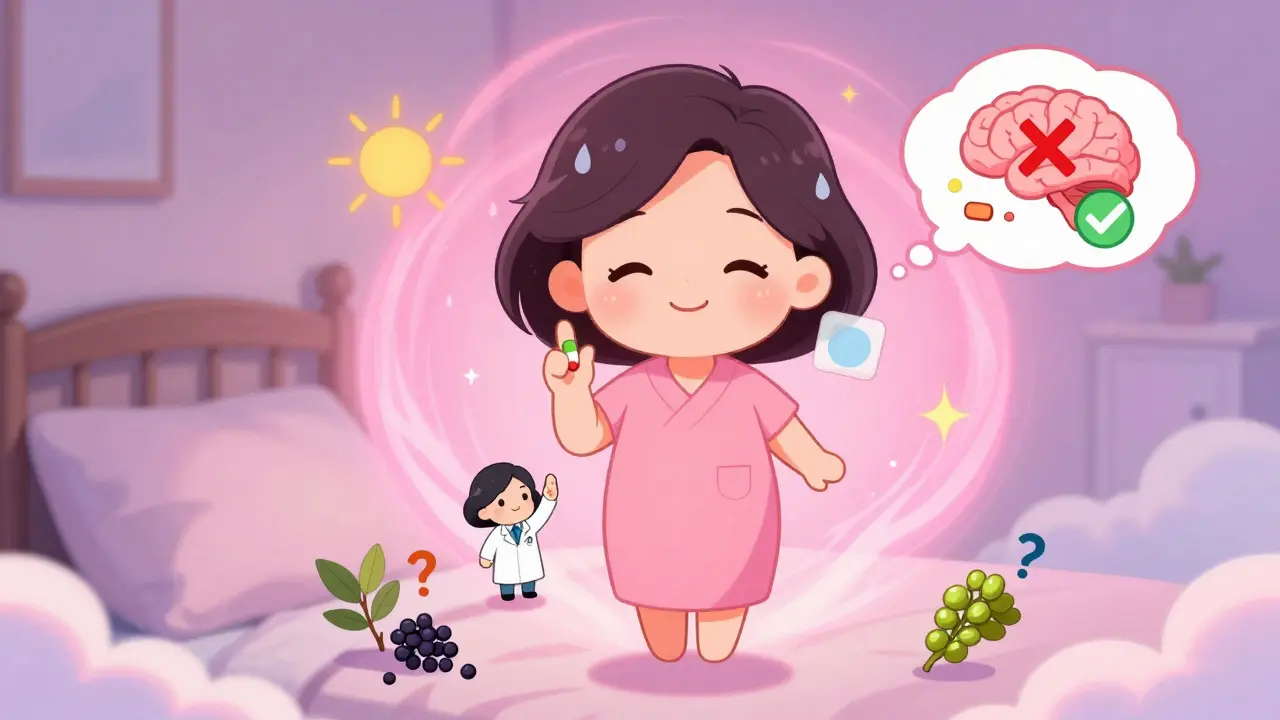
Medications During Menopause: Hormone-Related Side Effect Changes
Hormone therapy for menopause can ease symptoms like hot flashes and vaginal dryness-but it comes with real risks. Learn how age, delivery method, and health history affect side effects, and what alternatives actually work.
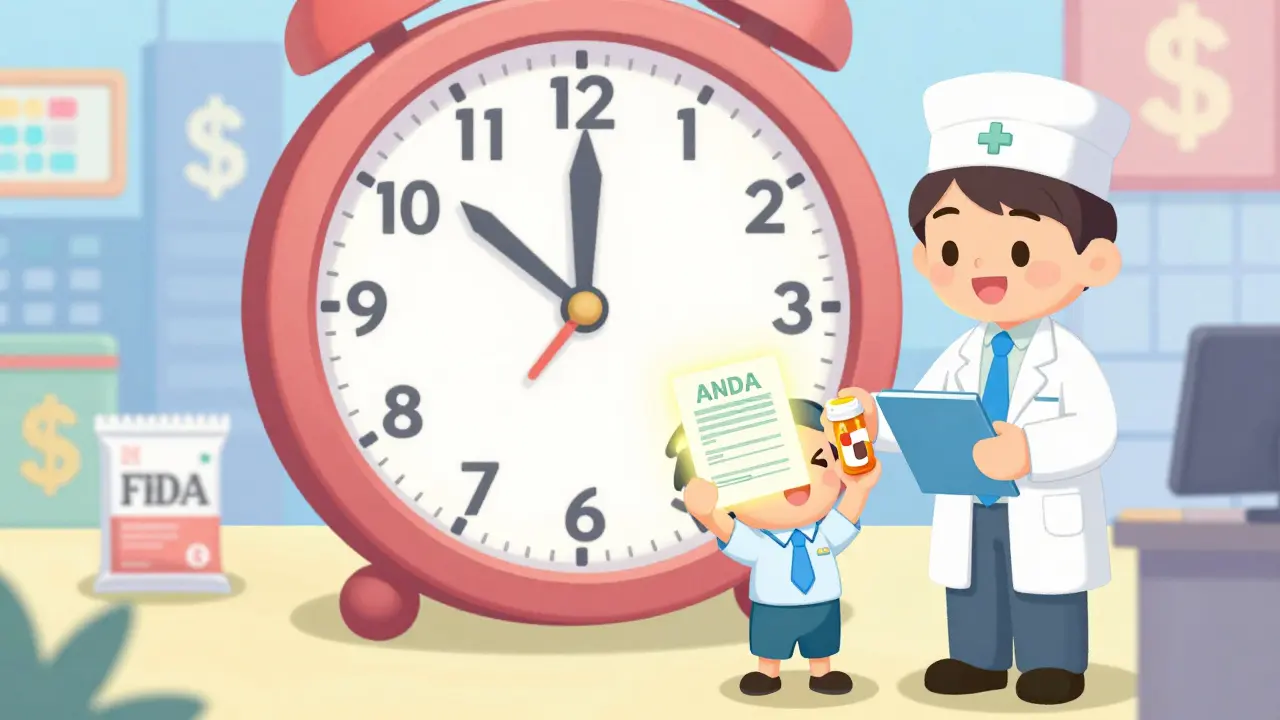
Hatch-Waxman Act: How It Made Generic Drugs Possible in the U.S.
The Hatch-Waxman Act of 1984 created the modern U.S. generic drug system, balancing innovation incentives with affordable access. It cut approval costs, sped up generic entry, and saved trillions - but also opened doors to patent manipulation.
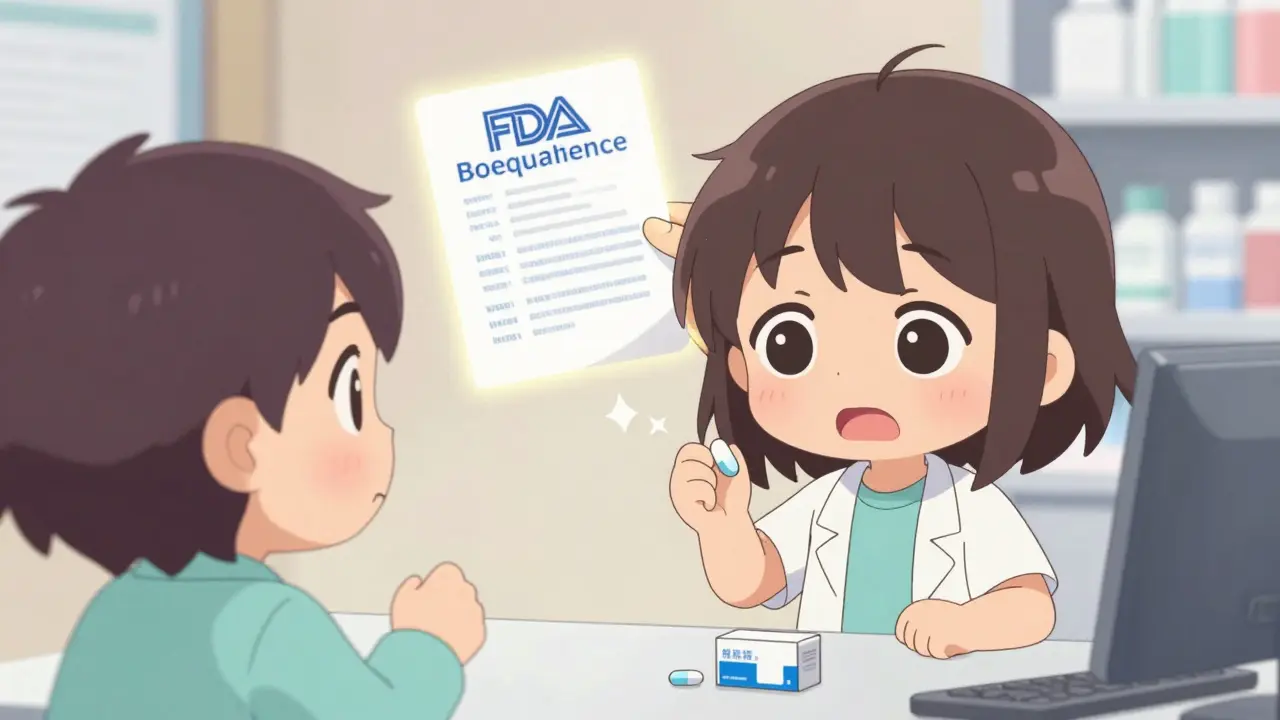
Why Doctors Recommend Generic Medications - And Why Patients Still Hesitate
Doctors recommend generic medications because they work just as well as brand-name drugs - and patients take them more consistently. Learn why generics are safer, cheaper, and more effective than most people think.
Planning for Patent Expiry: What Patients and Healthcare Systems Need to Do Now
When drug patents expire, prices drop-but not always for patients. Learn how patients and healthcare systems can prepare for generic and biosimilar transitions to save money and avoid disruptions.