Category: Healthcare - Page 4

How to Request Translator Services for Medication Counseling
You have a legal right to a professional interpreter when getting medication counseling. Learn how to request one, what services are available, and why using family members or untrained staff can be dangerous.
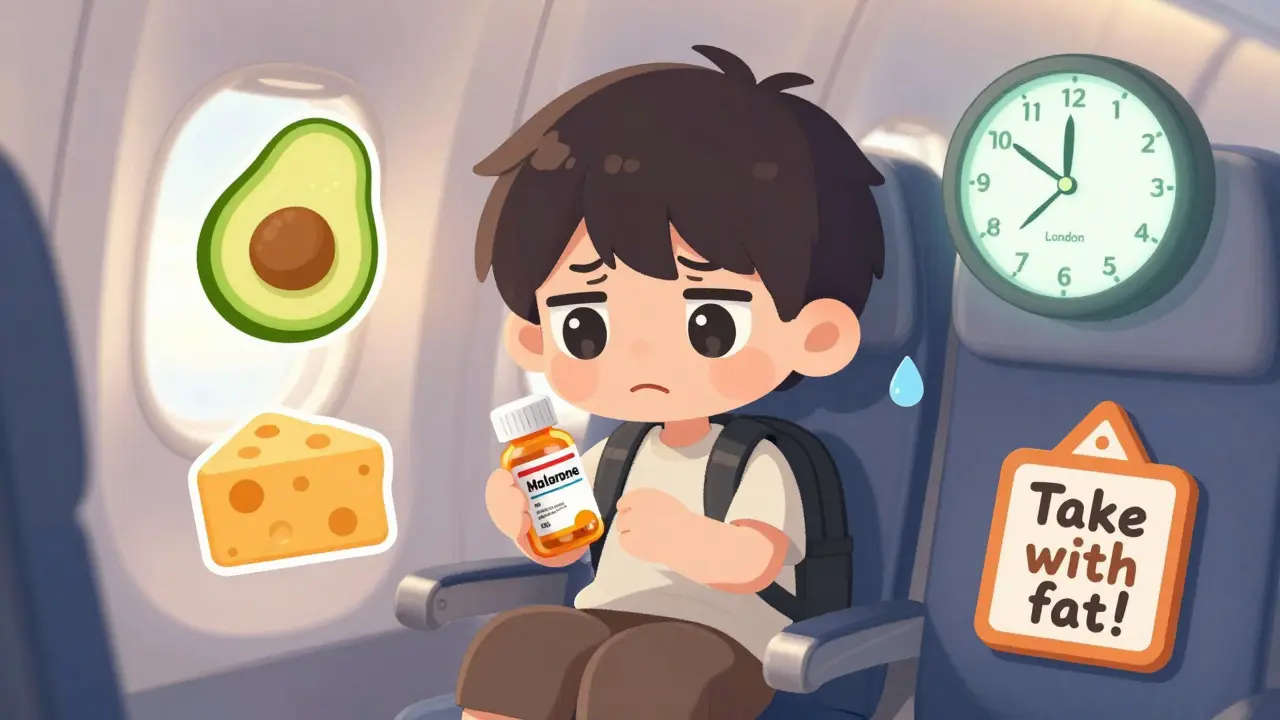
How to Time Antibiotics and Antimalarials Across Time Zones: A Practical Guide for Travelers
Learn how to time antimalarials and HIV meds across time zones to avoid treatment failure, drug resistance, or malaria infection. Practical tips, dosing schedules, and tools to stay protected while traveling.

Asthma Steroid Side Effects: How to Reduce Risks and Stay Safe
Learn how to safely use asthma steroid inhalers, reduce side effects like thrush and adrenal suppression, and monitor for long-term risks. Practical steps backed by clinical evidence.
ACE Inhibitor Angioedema: How to Spot Swelling from This Common Blood Pressure Drug
ACE inhibitor angioedema is a dangerous, non-allergic swelling caused by blood pressure drugs. Learn how to spot it, why standard treatments don’t work, and what to do if you’re at risk.
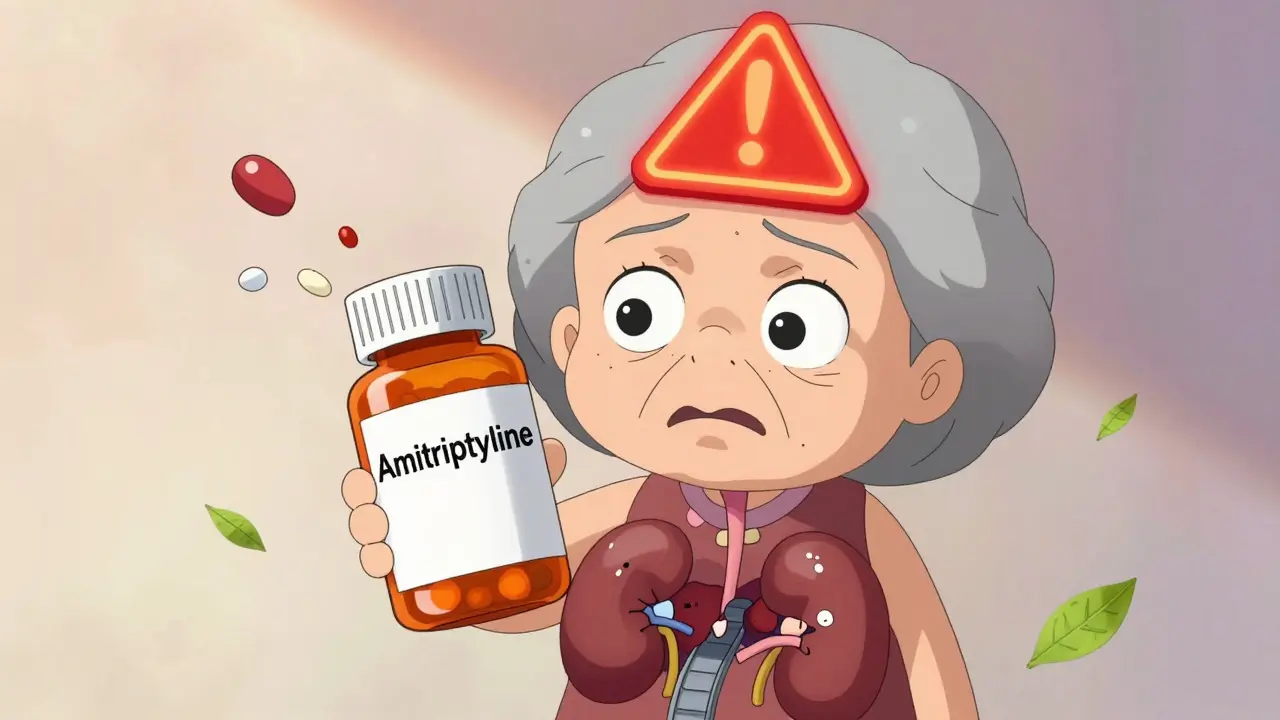
How Liver and Kidney Changes in Older Adults Affect Drug Metabolism and Medication Safety
As we age, liver and kidney changes alter how drugs are processed, increasing the risk of side effects and hospitalizations. Learn how aging affects medication safety and what steps to take to protect yourself or a loved one.
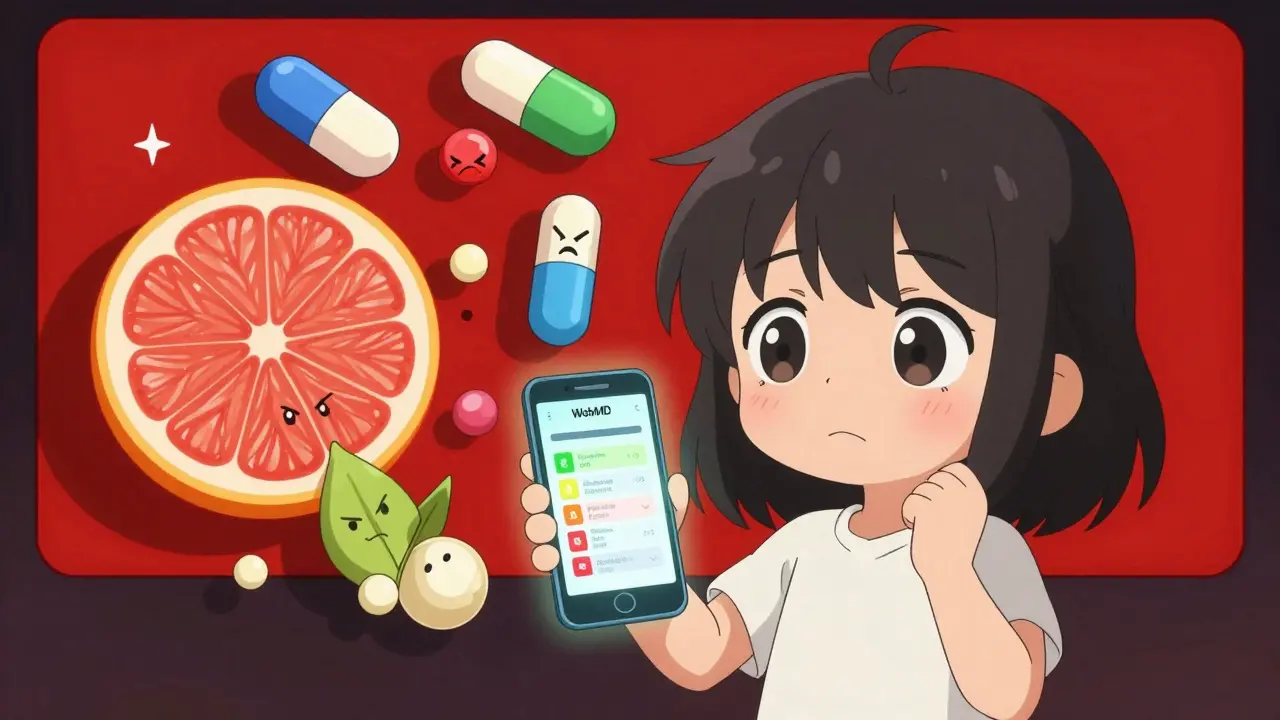
Drug Interactions Databases: Using FDA and WebMD Checkers Safely
Learn how to safely use WebMD and other drug interaction checkers, understand what the FDA really does, and avoid dangerous medication mistakes with expert-backed tips and real-world examples.
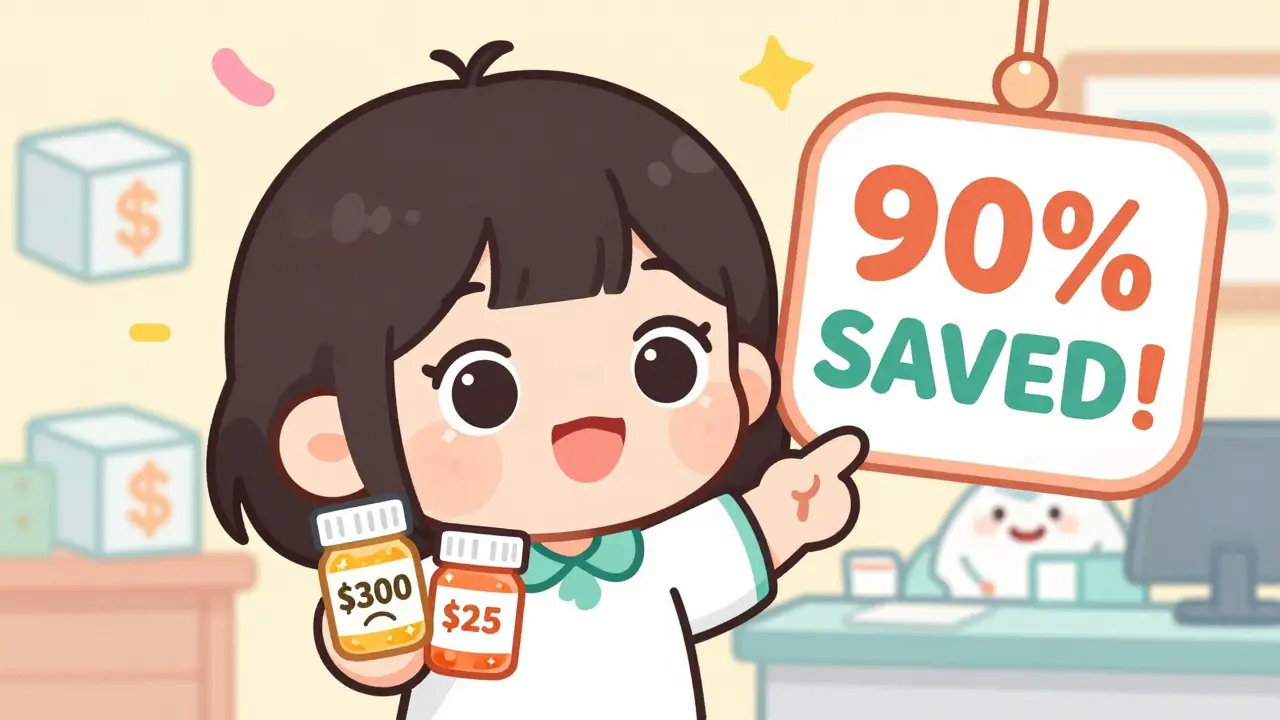
Cost Savings from Generic Combinations: How Choosing the Right Generic Can Cut Your Drug Bill by 90%
Generic drugs can save you hundreds of dollars-but not all generics are cheap. Learn how choosing the right combination or alternative generic can cut your drug costs by up to 90% with real data and practical steps.

First-Episode Psychosis: Why Early Intervention and Family Support Save Lives
First-episode psychosis is treatable-if caught early. Learn how coordinated specialty care and family support can restore lives, reduce relapse, and help people return to school, work, and normal life.
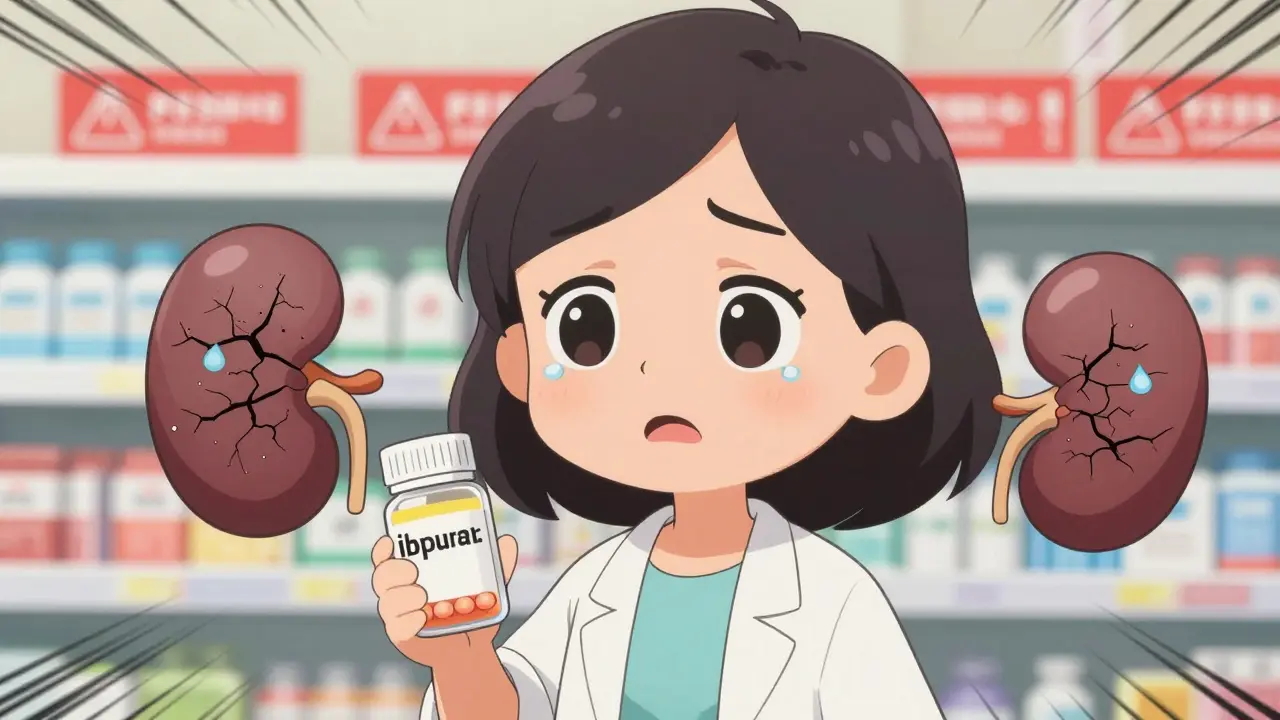
Analgesic Nephropathy: How NSAIDs Damage Kidneys and What to Use Instead
Long-term NSAID use can silently damage your kidneys. Learn how analgesic nephropathy develops, who’s at risk, and what safer pain relief options actually work-without harming your kidneys.
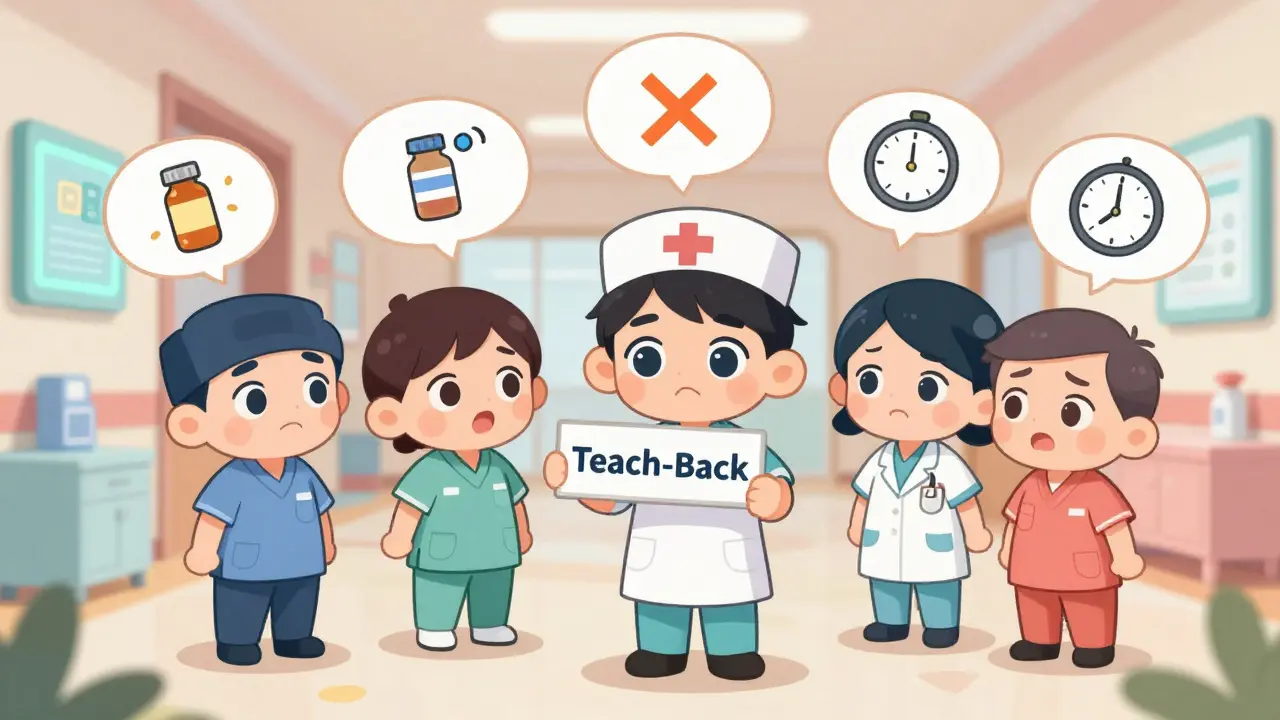
Healthcare System Communication: How Institutional Education Programs Improve Patient Outcomes
Institutional healthcare communication programs train staff to improve patient understanding, reduce errors, and build trust. Evidence shows they lower malpractice claims, boost satisfaction, and save lives-when done right.
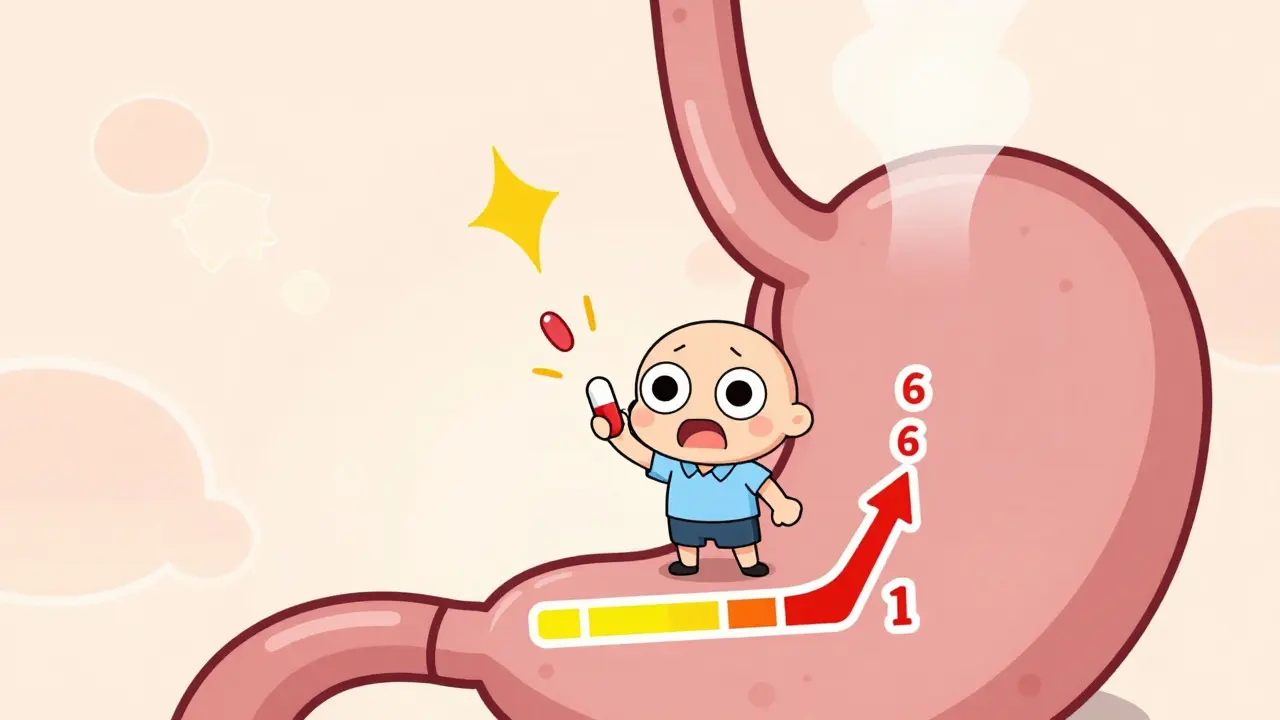
Levothyroxine and Proton Pump Inhibitors: How They Interfere with Absorption
Levothyroxine and proton pump inhibitors (PPIs) can interfere with each other, reducing thyroid hormone absorption. Learn how this interaction raises TSH levels, who's at risk, and what to do about it.
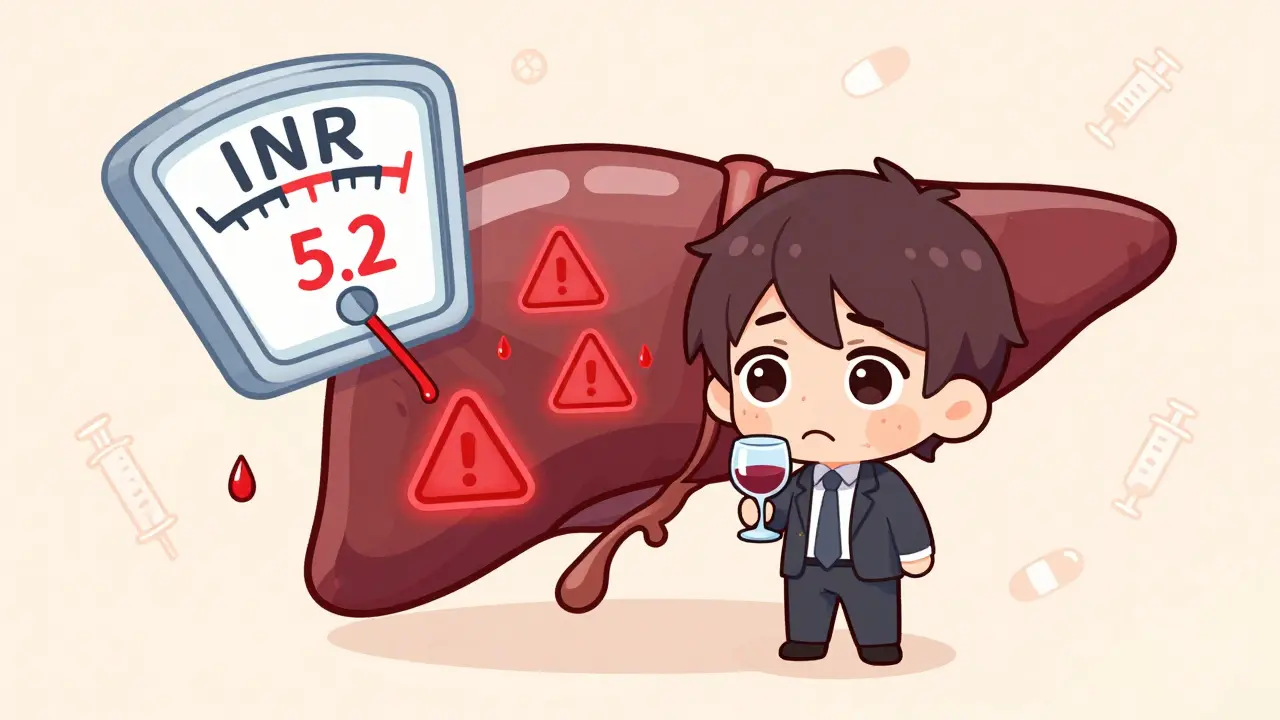
Alcohol and Blood Thinners: What You Need to Know About Bleeding Risk and INR Changes
Alcohol can cause dangerous spikes in INR levels for people taking warfarin, increasing bleeding risk significantly. Learn how drinking affects blood thinners, what INR levels mean, and how to stay safe.